How to Get Started on an Exercise Bike: A Practical Beginner's Guide
Learn how to safely start exercising on an indoor bike with a beginner-friendly plan, proper setup, form, and progression. Includes workout structure, maintenance, and motivation tips.


Start with a light warm-up, set a comfortable resistance, and ride 15–20 minutes at an easy pace. Focus on posture, cadence, and controlled breathing, then gradually increase duration and resistance over several weeks. Keep hydrated, wear supportive footwear, and log sessions to track progress. If you feel fatigue, back off slightly and reassess form.
Why starting on an exercise bike is a smart choice
Beginning an indoor cycling routine is a practical entry point into cardio fitness for most people, especially those with limited time or limited access to outdoor rides. An exercise bike offers a controlled environment, reduces impact on joints, and allows precise control of resistance and cadence. According to BicycleCost, beginners who start with low resistance and short sessions can build confidence quickly while laying a foundation for longer, more intense workouts. A correctly chosen bike, combined with a simple routine, helps you stay consistent and avoid early burnout. In this section, we unpack why this option works well for newcomers, review how to pick a bike, and outline a simple progression path that keeps motivation high while minimizing injury risk.
Which bike type is best for beginners
There are a few common configurations: upright bikes, recumbent bikes, and compact indoor cycles that resemble spin bikes. Upright bikes are closest to traditional road riding and work well if you want a more intense, higher-intensity feel. Recumbent bikes reduce strain on the back and can be more comfortable for longer sessions or for people with back or neck issues. Compact or spin-like indoor cycles are great for shorter, high-intensity workouts and space-saving setups. The right choice for you depends on comfort, available space, and your goals. Start with the most comfortable option and focus on forming a consistent habit rather than chasing peak performance in week one.
Proper setup: seat height, reach, and pedal position
A proper setup is critical for comfort and injury prevention. Ensure your seat height allows a slight bend in the knee at the bottom of the pedal stroke, adjust the saddle forward/back so your knee tracks over the foot, and set the handlebars within a comfortable reach that keeps your back straight. Keep your feet flat on the pedals with the ball of the foot over the pedal axle, and use straps if your shoes don’t grip the pedal well. Consistency in posture helps prevent lower back pain and knee strain as you increase duration and resistance.
Clothing, footwear, and safety accessories
Wear breathable, moisture-wicking clothing and flat-soled athletic shoes that grip the pedals. Avoid loose clothing that could catch in the chain or pedals. A lightweight towel and water bottle are essential to stay hydrated and wipe sweat. A heart-rate monitor or a cadence sensor can help you gauge intensity and progress, but they’re optional for beginners. Ensure the bike is on a non-slip mat and that cables or cords are secured away from your feet.
Warm-up routines and injury prevention
Begin every session with a 5–10 minute warm-up at a low resistance to get blood flowing and joints primed. Gradually raise your cadence to a steady but manageable pace. After riding, finish with a 5–10 minute cool-down and a few gentle stretches for the calves, hamstrings, and hip flexors. If you experience any pain beyond mild discomfort, stop and reassess your setup or consult a professional. Staying mindful of form reduces injury risk and makes progress sustainable.
Structuring your first four weeks
Plan to ride 3–4 days per week during month one. Week 1 focuses on 15–20 minutes per session at a comfortable pace. Week 2 adds 5–10 minutes and introduces one light interval. Week 3 gradually includes 1–2 brief intervals per ride, and Week 4 targets 25–30 minutes with more consistent cadence. Each week, increase either duration or resistance slightly while maintaining good form. This gentle progression helps prevent burnout and builds confidence.
How to progress safely: increasing time and resistance
Progression should be gradual and predictable. Increase total time by about 5–10 minutes every week or bump resistance sparingly when you can maintain proper form. Avoid jumping into high-intensity intervals before your cadence and posture are steady. If your cadence drops or your back rounds, dial back and focus on form again. Regular, predictable progression yields better long-term results than aggressive, abrupt changes.
Tracking progress and data you should collect
Keep a simple log of session date, duration, perceived exertion, and any notes about comfort or pain. Tracking cadence can help you measure consistency, and noting your resting heart rate can signal improved conditioning over weeks. Regularly review your log to identify patterns, celebrate small wins, and adjust your plan as needed. Consistency in data collection supports motivation and accountability.
Maintenance and safety checks every few rides
Inspect the bike’s pedals, straps, and console for wear or loose parts. Wipe down the frame and console to prevent sweat buildup. Check the belt or resistance mechanism’s smoothness, and ensure cords are tidy and not frayed. If something feels off during a ride—strange noises, wobble, or slipping resistance—pause and address the issue before continuing. Regular checks extend the life of your bike and keep rides safe.
Common mistakes and how to fix them
Many beginners overdo resistance too soon, slouch or crane the neck, or neglect warm-ups. Start with comfortable resistance and a tall, relaxed posture. Focus on smooth pedal strokes and a steady cadence rather than pushing to a high resistance. If you notice discomfort in the knees or back, re-check setup and consider a lighter ride that emphasizes form over intensity.
Nutrition, hydration, and recovery for bike workouts
Hydration is essential before, during, and after workouts. A light pre-ride snack can help maintain energy for longer sessions, especially if you have a longer ride planned. After workouts, consume a small protein-rich snack to support muscle recovery, and give yourself time to rest between sessions. Adequate sleep and recovery habits support consistent progress and mood.
Building a long-term habit: staying motivated
Set reachable milestones and schedule rides as part of your weekly rhythm. Vary workouts with easy days and a few longer sessions to maintain interest. Pair riding with a clear goal, such as steady improvement over several weeks or completing a virtual race. Celebrate small accomplishments and adjust your plan as you grow more confident and capable.
Tools & Materials
- Exercise bike(Ensure it is level on a non-slip mat and in safe working order)
- Comfortable footwear(Flat-soled athletic shoes with good grip)
- Water bottle(Keep hydrated; consider a bottle with a straw for easier access)
- Towel(Small, quick-dry towel for sweat management)
- Heart rate monitor (optional)(Chest strap or wrist-based monitor can help pace workouts)
- Bike mat or rug(Stabilizes setup and protects floor; reduces vibration)
Steps
Estimated time: 60-90 minutes
- 1
Set up and adjust the bike
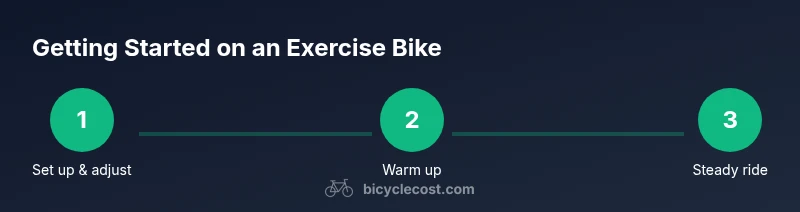
Position the bike in a stable spot, adjust the seat height so your knee has a slight bend at the bottom of the pedal stroke, and align the handlebars for a straight back. Ensure pedals spin freely and straps are snug but not tight.
Tip: Take a quick check by placing your heel on the pedal at its lowest point to confirm leg extension feels comfortable. - 2
Warm up with easy pedaling
Begin with 5–10 minutes of easy pedaling at very light resistance to warm muscles and lubricate joints. Focus on controlled breathing and upright posture.
Tip: Maintain a light, relaxed grip on the handlebars to avoid tension in the shoulders. - 3
Find a sustainable pace
After the warm-up, set a pace you can maintain for 15–20 minutes without needing to stop. Keep your shoulders relaxed, chest open, and a cadence that feels rhythmic rather than strenuous.
Tip: If your form deteriorates, reduce pace or resistance rather than pushing through poor technique. - 4
Introduce light intervals gradually
In Week 2 or 3, add one short interval of higher effort (60–75% of max effort) for 1–2 minutes, then recover at an easy pace for 2 minutes. Repeat once per session.
Tip: Use perceived exertion (RPE) rather than chasing numbers; aim to finish intervals with good form. - 5
Cool down and stretch
Finish with 5–10 minutes of easy pedaling, followed by gentle stretches for calves, hamstrings, and hip flexors to aid recovery and flexibility.
Tip: Hold stretches for 15–30 seconds and breathe deeply to promote relaxation. - 6
Log the session and plan next ride
Record duration, perceived effort, and any notes about comfort or pain. Use this data to guide the next session, gradually increasing duration or resistance as you feel ready.
Tip: Set a specific next target (e.g., reach 25 minutes at a gentle pace) to stay motivated.
People Also Ask
Do I need a particular bike type to start?
No specialized bike is required to begin. An upright or recumbent bike that feels comfortable and fits your space will work. The key is consistency and proper setup, not speed or advanced features at first.
You can start with whatever bike feels most comfortable and fits your space; focus on setup and consistency first.
How long should my first workouts be?
Aim for 15–20 minutes per session during the first week, then gradually extend as you gain comfort. If you’re very new, build to 25–30 minutes over a few weeks while maintaining good form.
Start with 15–20 minutes and increase gradually as you feel more comfortable.
Is indoor cycling safe for beginners?
Yes, indoor cycling is generally safe for beginners when you start at a comfortable pace, maintain good posture, and do proper warm-ups and cooldowns. Stop if you experience sharp pain or dizziness.
Indoor cycling is safe when you start gently and listen to your body.
How do I know if I’m pushing too hard?
RPE (rate of perceived exertion) is your friend. If talking becomes difficult or you feel strain in your back or knees, ease off. Use intervals sparingly until your endurance builds.
If you can’t hold a conversation, ease back a bit.
What should I eat before or after a ride?
Have a light snack before riding if you’re hungry, and prioritize protein and hydration after a ride to support recovery. Avoid heavy meals right before shorter workouts.
A light snack before and a protein-rich meal after helps with recovery.
How should I progress after the first month?
Increase duration first, then add short intervals as your comfort grows. Maintain attention to form and recovery, and adapt your plan based on how you feel.
Progress gradually by extending time, then adding gentle intervals.
Watch Video
Quick Summary
- Start light, build consistency first.
- Prioritize posture and controlled cadence over speed or resistance.
- Progress gradually; small, regular gains compound over time.
- Track sessions to stay motivated and see progress.
- Safety checks and proper setup prevent common injuries.