How to Get Started Bike Riding: A Beginner's Guide Today
Learn how to get started bike riding with a practical, beginner-friendly plan. Gear basics, safety fundamentals, a simple progression, and maintenance tips to help you ride confidently from your first trip onward.


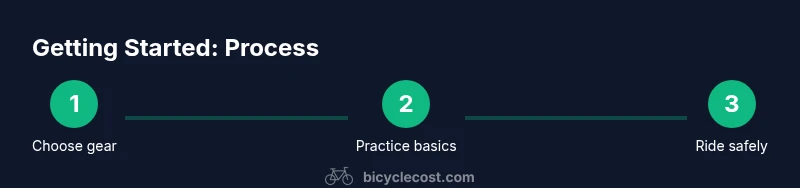
Getting started bike riding is straightforward: choose a fitting bike and helmet, set a gentle practice routine, and learn essential safety and riding basics. Start on easy routes, increase gradually, and use a step-by-step guide for steady progress.
Start with the right bike and gear
If you're wondering how to get started bike riding, the very first step is ensuring you have a bike that fits you well and a helmet that protects you. A properly fitted bike reduces fatigue and makes pedaling feel smooth, while a certified helmet with a snug fit protects your head in a fall. In addition to the bike and helmet, gather basic accessories such as a pump, spare tube, and a lightweight repair kit. At this stage, prioritize comfort and safety over speed. According to BicycleCost, starting with gear that truly fits and protects you dramatically increases confidence and consistency in early rides. As you test bikes, seek a local shop for a sizing check and a hands-on fitting. The right gear lowers barriers to ride and keeps you coming back for more.
- Pick a bike type that matches your goals (hybrid or road for general riding, mountain for trails).
- Ensure the saddle height and reach allow a comfortable pedal stroke and relaxed arms.
- Try before you buy; a short test ride reveals fit issues you can’t gauge standing still.
- Wear a well-fitting helmet and breathable, weather-appropriate clothing for comfort on longer rides.
Remember: your first rides should feel manageable, not punishing. A small, well-fitted setup sets the stage for lasting habits.
Plan a simple, progressive riding routine
A deliberate progression is essential when starting to bike ride. A clear plan helps your body adapt and reduces the risk of fatigue or injury. A practical approach is a gentle, week-by-week progression that gradually increases time and distance while introducing basic skills. BicycleCost analysis shows that gradual progression leads to safer, more enjoyable starts for new riders. Begin with short, flat rides on familiar routes to build balance and confidence, then add variety as you improve. Use a simple calendar to track days you ride, the ride length, and how you felt during and after.
- Week 1: 2–3 short rides on flat terrain, 15–25 minutes each.
- Week 2: 3 rides, 25–35 minutes, include light hills if comfortable.
- Week 3: 3–4 rides, 35–45 minutes, practice braking and signaling.
- Week 4: 4 rides, 45–60 minutes, mix in gentle elevation and longer stretches.
Make time for rest days and listen to your body. If something hurts, scale back and reassess fit and technique. The goal is sustainable practice, not intensity.
Safety essentials you'll use every ride
Safety is the foundation of any successful start in bike riding. Wear a well-fitted helmet every time, and consider front and rear bike lights if riding near dawn, dusk, or in low-light conditions. Bright clothing improves visibility to drivers and pedestrians. Learn the basic hand signals for turns and stop signs, and practice signaling during low-traffic rides until it becomes second nature. Carry a small repair kit, a pump, and a spare tube so you can handle common flats quickly. Stay hydrated, pace yourself, and choose routes with wide shoulders or bike lanes whenever possible. By adopting safe habits early, you reduce the odds of accidents and build confidence faster.
- Always wear a helmet and verify its strap fit before each ride.
- Use lights and reflective gear for visibility, even during daylight in some areas.
- Practice braking smoothly and braking early on unfamiliar surfaces.
- Plan routes with safe, low-traffic environments to minimize risk as you learn.
Basic riding skills for beginners
Learning a handful of core skills pays big dividends in comfort and safety. Start with balance and control by coasting with your hands on the handlebars and looking straight ahead. Practice smooth starts and stops in low-traffic areas, using both brakes gently. Get comfortable with shifting (even on a single gear) to maintain a steady cadence. Increase your awareness of your surroundings, use eyes and ears to anticipate hazards, and practice cornering with relaxed shoulders and a light grip. As you gain confidence, introduce basic road etiquette, such as signaling turns, yielding to pedestrians, and staying to the right unless passing. A steady focus on fundamentals makes longer rides easier and more enjoyable.
- Maintain a relaxed posture with elbows slightly bent and shoulders loose.
- Practice scanning far ahead to anticipate obstacles.
- Use both brakes evenly to avoid skidding and maintain control.
- Keep your cadence steady and comfortable; if you tire, take a short break before continuing.
Riding in traffic and shared spaces
Street riding requires different skills and awareness than riding on trails. Start in areas with low traffic and clearly marked bike lanes when possible. Position yourself predictably by riding near the center of the lane or within the bike lane where allowed, and avoid weaving between parked cars. Use hand signals for turns and stops, and always check for turning vehicles before changing lanes or crossing intersections. If you’re uncertain about local rules, consult a local cycling guide or a reputable safety resource. Consistent practice in varied environments will build confidence and reduce hesitation on busier routes.
- Follow traffic laws and ride predictably.
- Signal early and clearly, then make eye contact with drivers when possible.
- Stay visible with bright or reflective gear and a mounted light if riding after dark.
- Practice in quiet streets before tackling busier corridors.
Maintenance basics for beginners
A little maintenance goes a long way in keeping your bike safe and reliable. Check tire pressure before every ride and inspect tires for cuts or embedded objects. Wipe chains with a clean cloth and lubricate according to your chain type and conditions. Regularly test brakes to ensure they respond smoothly and evenly. Keep your drivetrain clean and lubricated to improve shifting performance. Schedule periodic professional tune-ups if you notice persistent issues. Simple, proactive maintenance reduces breakdowns and extends the life of your bike.
- Inspect tires for wear and puncture signs; replace if necessary.
- Check brakes for even contact and adequate stopping power.
- Clean and lubricate the chain after riding in wet or dirty conditions.
- Bring your bike to a shop for a safety check if anything feels off.
Building a sustainable riding habit
Consistency is the key to turning a new activity into a habit. Schedule rides as you would any essential appointment, and diversify routes to keep things interesting. Set micro-goals that feel doable—such as riding three times per week or hitting a certain distance—then celebrate progress. Track your rides with a simple log or a mobile app to visualize improvements over time. Join a local group or find a cycling buddy to stay motivated. By embedding biking into your weekly routine, you build endurance, confidence, and enjoyment that lasts.
Common beginner mistakes and how to fix them
Common missteps include skipping a proper bike fit, starting too aggressively, and neglecting safety gear. Fix them by getting a fitting from a qualified shop, embracing a gradual progression, and always wearing a helmet. Another frequent issue is riding with poor posture or looking down at the road; train yourself to keep your head up and eyes forward. Finally, avoid overconfidence on busy streets; choose quiet routes first and gradually tackle more complex environments as your skills grow. Correcting these mistakes early sets a solid foundation for enjoyable, injury-free riding.
Ready to ride: next steps and resources
You’re now equipped with the basics to begin a safe, sustainable bike-riding journey. Start with a fit assessment and basic gear, then follow a gentle progression that builds skills and confidence. For ongoing support, look for local bike shops offering beginner clinics, safety courses, and group rides. BicycleCost also provides practical, AI-powered bike guides to help you ride smarter and safer as you gain experience. Keep a simple log of your rides, celebrate small wins, and gradually expand your routes. Happy cycling!
Tools & Materials
- Bicycle in good working condition(Ensure brakes, gears, and tires are functional; consider a professional tune-up if in doubt)
- Proper-fitting helmet(Certified and sized to fit; adjustable straps for snug security)
- Bike pump or portable inflator(Bring along for on-the-go tire pressure checks)
- Spare tube and patch kit(Carry a tube that matches your tire width and valve type)
- Tire levers(Useful for quick flats without pinching the tube)
- Multi-tool (Allen keys, screwdriver)(Include chain tool and brake adjusters if possible)
- Chain lubricant and cloth(Lubricate after wet rides or long durations between cleanings)
- Water bottle and cage(Stay hydrated on every ride)
- Reflective gear or lights (front/rear)(Recommended for visibility in low light)
- Riding-specific clothing(Breathable, comfortable fabrics; consider padded shorts for longer sessions)
Steps
Estimated time: 45-60 minutes
- 1
Check bike and gear
Inspect brakes, tires, and chain. Confirm the helmet fits properly and the seat height is comfortable. If you notice any issues, resolve them before you ride.
Tip: Carry a small repair kit for minor on-the-go fixes. - 2
Fit and buckle the helmet
Place the helmet squarely on your head, adjust the straps to form a snug V under your ears, and tighten the dial if present. It should stay in place without wobbling.
Tip: A proper fit reduces head movement and fatigue during longer rides. - 3
Set seat height and handlebar position
Adjust the seat so your knee has a slight bend at the bottom of the pedal stroke. Ensure comfortable reach to the handlebars with relaxed shoulders.
Tip: A small adjustment can dramatically improve power and comfort. - 4
Practice braking and signaling
Practice slowing smoothly using both brakes on a flat, empty space. Learn to signal turns and stops clearly before entering public routes.
Tip: Begin with low-traffic areas to build confidence. - 5
Mount, ride, and dismount safely
Mount the bike with control, keep eyes forward, and glide into a gentle pedal stroke. When stopping, place one foot on the ground and regain balance.
Tip: Maintain a light grip and keep attention on your surroundings. - 6
Progress gradually with easy routes
Start on flat, familiar routes and increase distance slightly each ride. Listen to your body and rest as needed to avoid burnout.
Tip: Consistency beats intensity for new riders.
People Also Ask
Do I need a brand-new bike to start?
No. A well-fitting used or entry-level bike is perfectly fine to begin with, as long as it’s safe and comfortable. Have a shop professional check the fit and brakes before riding long distances.
You don't need a brand-new bike to start—just one that fits and is safe. Get a quick fitting and safety check before you ride.
How do I choose the right bike size?
Bike size depends on your inseam, reach, and riding goals. A local shop can perform a quick fitting and recommend frame size and standover clearance after assessing your position.
Get a professional fitting to choose the correct size; it makes balance and control much easier.
What safety gear is essential?
A certified helmet is essential. In addition, consider lights and reflective clothing for visibility, and gloves for grip and comfort on longer rides.
Wear a helmet and bright gear to stay visible and protected.
How long should a beginner ride be?
Start with short sessions, then gradually increase duration as fitness and comfort improve. If fatigue or discomfort appears, pause and reassess fit and technique.
Begin with short rides and slowly build up as you feel more confident.
How often should I service my bike?
Check tire pressure weekly, inspect brakes and gears monthly, and clean the drivetrain after wet rides. Schedule a professional tune-up if you notice persistent issues.
Do quick weekly checks and get a professional tune-up if things don’t feel right.
Is biking safe for all ages?
Biking safety varies by age and environment. Start with appropriately paced routes and always use protective gear. Adult supervision may be helpful for younger riders.
Start with safe routes and protective gear appropriate to age and environment.
Watch Video
Quick Summary
- Start with proper fit and safety gear
- Progress gradually to build endurance
- Learn essential braking and signaling
- Maintain your bike for reliable rides
- Build a sustainable riding habit