How Much Is a Bicycle for an Adult? A Practical Price Guide
Learn realistic price ranges for adult bicycles, from entry-level to high-end, plus budgeting tips, maintenance costs, and buying strategies for smart spending in 2026.


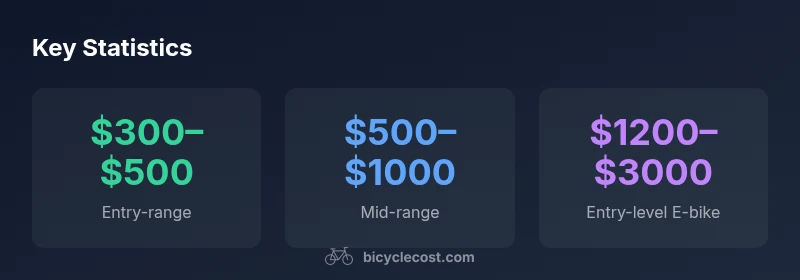
If you’re wondering how much is bicycle for adult, expect price bands based on type and components: entry-level bikes generally start around $300–$500, mid-range $500–$1000, and higher-end models go from $1000 up to several thousand. This reflects frame material, drivetrain, braking, and weight. In 2026, most riders fall into entry-level to mid-range categories, with electrified options priced higher. For a clear sense of value, consider total ownership costs, not just the sticker price.
Pricing fundamentals for adults: what drives sticker shock and value
If you ask how much is bicycle for adult, the short answer is that prices reflect more than a brand name. According to BicycleCost, start-up costs are influenced by frame material, weight, componentry, and intended use. Entry-level bikes typically use alloy frames with modest drivetrains and brakes, which keeps costs down. As you move up, manufacturers upgrade to lighter materials, more precise shifting, and higher-end braking systems. In 2026, price bands cluster into entry-level, mid-range, and high-end tiers, with notable differences between road, mountain, hybrid, and commuter designs. The goal is to connect the sticker price with expected performance, durability, and maintenance needs. For many riders, the best value is a model that hits their goals without paying for features they won’t use. Brand and local shop margins can also affect the final tag you see in-store. A broader consideration is total cost of ownership, including parts and service intervals, which BicycleCost analyzes to guide smarter purchases.
Understanding price by bike type and purpose
Different riding goals demand different specs, and those choices drive price. Road bikes prioritize light weight and aero efficiency, while mountain bikes emphasize suspension and traction. Hybrids blend comfort and efficiency for everyday riding, and commuter bikes focus on reliability and bang-for-buck. Entry-level road bikes can sit around the low end of the price spectrum, while rugged mountain bikes with better suspension can push toward the middle. Commuter bikes often sit in the mid-range, balancing reliability with features like integrated racks or fenders. Electric bikes (entry-level) begin higher, reflecting motor assist and battery costs. When you compare prices, also consider the cost of replacement parts and service over the first few years. Real-world cycling enthusiasts report that investing slightly more upfront can reduce downtime and maintenance surprises later, especially if you ride regularly.
How to estimate total ownership costs
Beyond the up-front price, budgeting for maintenance, tires, and consumables shapes the real cost of ownership. Plan for basic tools, spare tubes, patch kits, a pump, and a lock, plus occasional wheel truing, brake bleeds, and drivetrain replacements. For a typical adult bike, maintenance can run a few percent of the purchase price each year, plus occasional upgrades or replacements when parts wear out. This is where the value of a well-chosen component set becomes evident: better components usually last longer and require fewer untimely repairs. Factor in seasonal tune-ups and potential tire replacements, which can add to annual costs, especially if you ride in harsh weather or rough terrain. BicycleCost’s guidance emphasizes budgeting for both expected maintenance and potential upgrades so you aren’t surprised by outlays later in the bike’s life cycle.
Where to buy and what to watch for
New bikes come with warranties, return policies, and the assurance of factory specs. Used bikes can offer substantial savings but require careful inspection of frame integrity, drivetrain wear, and braking performance. When shopping, verify that the wheels run true, the brakes engage reliably, and there are no hidden rust spots or frame cracks. If you’re buying used, demand proof of recent maintenance and a test ride. In-store buying often includes service packages and assembly, which can add value to the final price. Online purchasing might save money, but consider shipping costs, return policies, and potential assembly fees. The right retailer can balance price, after-sales support, and easy access to replacement parts, which is crucial for keeping your bike functional over time. Brand familiarity and local reputation should play a role in your final decision, as BicycleCost notes that reliable service coverage contributes to long-term value.
Size, fit, and price: does size matter for cost?
Size and fit influence cost only indirectly, but they affect value. A poorly fitted bike might ride poorly, leading to faster wear or the need for adjustments that add to the total cost. While frame geometry and reach don’t change sticker price, you may encounter additional costs for proper fitting sessions, longer seat posts, or adjustments that ensure optimal ergonomics. If you’re between sizes, choosing a bike with adjustable components or a factory in-between size can help you avoid costly frame alterations. In practice, the most important factor is getting a ride that feels natural and reduces fatigue, not chasing the smallest frame number. A comfortable fit tends to increase usage and correspondingly improve long-term cost efficiency. In short, price is part of the equation, but fit and ergonomics often determine whether you’ll actually ride the bike regularly.
Budgeting for maintenance and accessories you’ll actually use
Budgeting for maintenance starts with a plan for routine checks, tire care, and drivetrain upkeep. Expect to replace consumables like tires, tubes, cables, and pads periodically. Accessories such as a helmet, lock, lights, pump, and a basic tool kit are essential and should be treated as a separate line item from the bike itself. A prudent approach is to budget a basic kit in the first year and then project ongoing replacement needs for the following years. For many riders, pairing a modest upfront bike budget with a predictable annual maintenance fund yields better outcomes than chasing the lowest initial price. BicycleCost’s guidance encourages buyers to consider the long horizon: how the bike will perform, how often it will require service, and how easy it will be to source parts locally.
Finding deals and nailing the best value
Seasonal sales and model year refreshes create opportunities to save. Look for promotions in spring and fall, when retailers clear older stock to make room for new models. Don’t be swayed by flashy add-ons; instead, verify core components and maintenance coverage. Wait lists can sometimes yield discounts on popular models, and some shops offer bundled maintenance or extended warranties that improve long-term value. When evaluating a deal, calculate the total cost of ownership over 3–5 years rather than focusing solely on the upfront price. This helps you choose a bike that provides both immediate usability and enduring reliability. BicycleCost’s practical approach is to trade some upfront savings for better after-sale services, resulting in more cost-effective ownership over time.
Making the right choice: value over vanity
The ultimate objective is to align your purchase with riding goals, budget, and maintenance readiness. A well-chosen bike provides reliable transportation, encourages regular riding, and minimizes downtime due to repairs. While an entry-level bike can meet basic needs, a modest increase in upfront investment often yields tangible benefits in ride quality, durability, and resale value. For many riders, the win comes from balancing features you’ll use (reliable brakes, robust drivetrain, durable tires) with a price point that won’t strain finances. By framing decisions around total cost of ownership and real-world use, you avoid overpaying for unneeded features while preserving the riding experience. The BicycleCost team consistently emphasizes value, not vanity, as the cornerstone of a smart adult bicycle purchase.
Price ranges by bike type for adult bicycles
| Bike Type | Estimated Price Range | Typical Use |
|---|---|---|
| Road bike (entry-level) | $300–$900 | Road & commuting |
| Hybrid bike | $350–$800 | General commuting & fitness |
| Mountain bike (entry) | $400–$1200 | Trail & off-road |
| City/Commuter bike | $300–$1000 | Urban commuting |
| Electric bicycle (entry) | $1200–$3000 | Assisted riding |
People Also Ask
What is the typical price for an entry-level adult bicycle?
Entry-level adult bicycles typically range from $300 to $500 new, with variations based on frame material and components. Promotions can move prices within that band, and certain shops may offer bundled maintenance that adds value. Always verify the component quality and warranty when evaluating these models.
Entry-level bikes usually cost a few hundred dollars, depending on specs and promotions.
Should I buy new or used to save money?
Used bikes can offer substantial savings if you inspect the frame, drivetrain, brakes, and tires carefully. A well-maintained used bike with a recent service can be a smart choice, but you lose manufacturer warranties and post-purchase support. If you buy used, request maintenance records and a test ride.
Used can save money, but you should inspect carefully and expect less warranty.
How much should I budget for accessories and gear?
Start with essential safety gear and basics: helmet, lock, front and rear lights, pump, patch kit, and a basic tool set. Expect initial costs around $50–$250, depending on quality and additional features like integrated racks or fenders.
Plan for a few dozen to a few hundred dollars on basics.
Do electric bikes count in the price range, and how much do they cost?
Entry-level electric bikes generally cost about $1,200 to $3,000, with higher-end models often surpassing $5,000. The motor, battery, and electronics drive this premium. If you’re budget-conscious, consider a traditional bike first and assess your need for assistive power later.
E-bikes cost more upfront due to motor and battery systems.
What about maintenance costs in the first year?
Expect maintenance costs to be a few percent of the bike price per year, plus occasional replacements of tires, tubes, or wear parts. A simple tune-up and routine checks help extend the bike’s life and avoid larger expenses.
Maintenance adds a small ongoing cost each year.
Are there seasonal sales I should watch for?
Yes, spring and fall promotions are common as retailers clear older stock. Look for bundled deals that include maintenance or protective gear and compare total ownership costs rather than just the upfront price.
Seasonal sales can save you money on the price plus add-ons.
“The BicycleCost Team emphasizes that the best value balances upfront purchase cost with predictable maintenance and reliable after-sale support.”
Quick Summary
- Define your budget before shopping.
- Total cost of ownership matters more than sticker price.
- Entry-level bikes meet most basic needs; upgrades add value for certain riders.
- Expect maintenance and accessories to add to the first-year cost.
- Shop during seasonal sales, but verify core components and warranties.