How Much Does a Bicycle Cost in 2026? A Practical Buying Guide
Explore price ranges, what drives bicycle cost, and smart budgeting for 2026. Learn how to choose a bike that fits your goals without overspending.


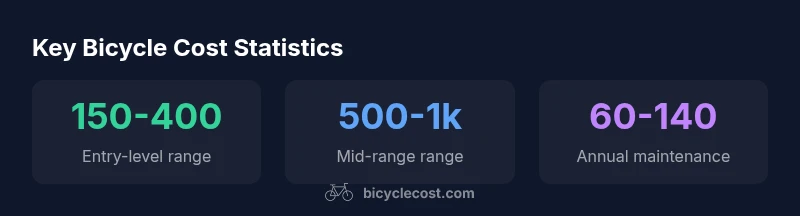
How much does a bicycle cost? Prices vary widely by use, materials, and components. Entry-level bikes start around a few hundred dollars; mid-range models usually run $500–$1,000; performance builds can exceed $2,000. In 2026, most riders budget about $400–$1,200 for a solid starter bike. This guide explains what drives price and how to budget smartly.
Understanding the cost spectrum
Prices for bicycles span a broad spectrum, from entry-level commuter bikes to high-end carbon-fiber race machines. The cost is not just a headline figure; it reflects material choices, drivetrain quality, wheel setup, and intended use. A beginner rider can find a reliable new bike in the lower hundreds, while a seasoned rider pursuing performance or durability may find value in the mid-to-high thousands. In 2026, BicycleCost analyses show that most new bike purchases cluster in the $400–$1,200 range for a strong balance of performance and durability. Keep in mind that buying a bike is not a one-shot decision: the true cost includes maintenance, accessories, and future upgrades. When you grade options, map out your riding goals first, then price bands, and finally assess how much value you get from each component. The real value comes from a bike that fits your riding style and can be upgraded over time.
Price ranges by use-case
Different riding disciplines demand different investments. A basic commuter bike designed for city streets often costs less than a sportive road bike or a capable mountain bike. A solid starter road bike with an aluminum frame typically sits in the mid-range price band, while a capable mountain bike with reliable components can be more budget-intensive due to suspension and wheel quality. Kids’ bikes generally cost less but can require upgrades as children grow. If you’re considering an electric assist bike, factor in a higher upfront price and ongoing battery maintenance. The key is to connect your needs—reliability, weight, and upgrade paths—with realistic budgets. By defining your use-case early, you can avoid paying for features you won’t use and keep your total cost in check.
Components that drive price
A bicycle’s price is driven by several core components. Frame material has a big impact: steel is typically cheaper and heavier, aluminum frames offer a good balance of weight and cost, and carbon fiber provides top performance at a premium. The groupset—the gearing and braking system—significantly influences price; entry-level components are durable and simple, while higher-end groupsets provide smoother shifting and lighter weight. Wheels and tires also matter: durable aluminum wheels save money, but carbon rims or tubeless setups increase cost but reduce rolling resistance. Brakes (mechanical vs. hydraulic) and suspension (hardtail vs. full suspension) can add substantial cost, especially in mountain bikes. Finally, labor, geometry, and brand positioning affect the final price tag. Consider where upgrades will add the most value for your riding goals to optimize your investment.
Buying tips to save money
Smart shoppers separate needs from wants. Start by shopping during seasonal sales and consider slightly older model years with modern specifications. Look for bikes with durable components that can be upgraded gradually rather than all-at-once. Check local bike shops for service packages—maintenance plans often include tune-ups, which save money over time. Don’t underestimate the value of a proper bike fit; investing in fit prevents premature wear and improves performance, saving money on inefficient riding. Consider purchasing a used bike from a reputable source with an inspection by a qualified mechanic; a well-maintained used bike can offer excellent value if you verify key components.
Resale value and ownership costs
Depreciation is steep in the first year, especially for high-end models, but well-maintained bikes hold value better than you might expect. Ownership costs go beyond the purchase price: tires, tubes, brake pads, chains, and regular tune-ups all add up. Budget for annual maintenance and occasional upgrades, particularly if you ride daily or in harsh conditions. A bike kept in good condition—cleaned after rides, stored properly, and serviced regularly—will deliver more reliable performance and better resale value. If you plan to upgrade, retaining your existing components and selling the bike in good condition can help offset the next purchase.
How to compare bikes quickly
Create a short list of must-haves (fit, reliability, and upgrade path). Use a side-by-side comparison to evaluate frame materials, weight, and drivetrain quality. Take advantage of test rides when possible, and don’t skip sizing—an ill-fitting bike costs more over time in comfort and maintenance. Check for serviceability at home (do you have the tools and know-how to perform routine maintenance?) and weigh the total cost of ownership, including expected maintenance, compatibility of parts, and potential future upgrades. Finally, compare local shop prices with online listings to ensure you’re getting a fair price with reliable after-sales support.
Budgeting a smart 2026 bike purchase
A practical budgeting approach starts with a realistic price ceiling based on use-case. Break the budget into four buckets: frame and groupset, wheels and tires, brakes and suspension, and maintenance/repairs. Allocate a percentage of your budget to upgrades you anticipate over time, rather than upfront; this keeps your initial purchase affordable while ensuring you don’t outgrow the bike quickly. For most riders, a well-chosen starter bike in the $400–$1,200 range offers a solid blend of performance and longevity, with the option to upgrade components as skills and needs evolve.
Price ranges by bike type
| Bike Type | Typical Price Range | Key Considerations |
|---|---|---|
| Entry-level commuter | $150-$400 | Lightweight components; basic drivetrain; ideal for casual riders |
| Road bike (aluminum frame) | $800-$1,500 | Efficient for daily riding; careful sizing; upgrade path |
| Mountain bike (hardtail) | $400-$1,200 | Versatile for mixed terrain; suspension matters; depreciation with wear |
People Also Ask
What is the average cost of a new bicycle?
New bicycles vary by type and features; entry-level models are affordable, while mid-range and performance bikes cost more. A broad range spans hundreds to thousands of dollars depending on use-case.
Prices vary a lot. Start with your use-case and fit.
Do used bikes offer good value?
Used bikes can offer substantial savings if the frame and components are in good condition. Have a trusted mechanic inspect critical parts before buying.
Used bikes can be a smart bargain if inspected.
Are electric bikes worth the extra price?
Electric bikes cost more upfront, but they’re valuable for longer commutes and heavier riders. Consider your riding goals and local terrain before buying.
E-bikes offer assist where you ride; assess how it fits your needs.
Online vs. in-store: which is better?
Both have merits. In-store allows test rides and sizing, while online often offers broader selection and price comparisons. Ensure reliable return policies.
Test ride if possible; compare prices online then check local shops.
How long do major components last?
Lifespan varies with use and maintenance. Chains, cassettes, and brakes may need replacement every 1,000–3,000 miles; frames and forks can last many years with care.
Maintenance and usage determine component life.
What hidden costs should I plan for?
Tire replacements, tubes, brake pads, cables, tune-ups, and occasional service can add to total ownership costs. Budget for preventive maintenance.
Budget for ongoing maintenance and occasional upgrades.
“Pricing reflects component quality and intended use, not just brand prestige. A careful buyer can maximize value by prioritizing fit and durability.”
Quick Summary
- Define use-case before shopping
- Expect price bands by bike type
- Prioritize frame and drivetrain quality
- Consider used or prior-year models
- Budget for maintenance and upgrades