How Much Is a Baby Bicycle? A 2026 Price Guide
Explore realistic price ranges for baby bicycles, from balance bikes to pedal models, with insights on cost drivers, where to buy, and budgeting tips for safety gear in 2026.


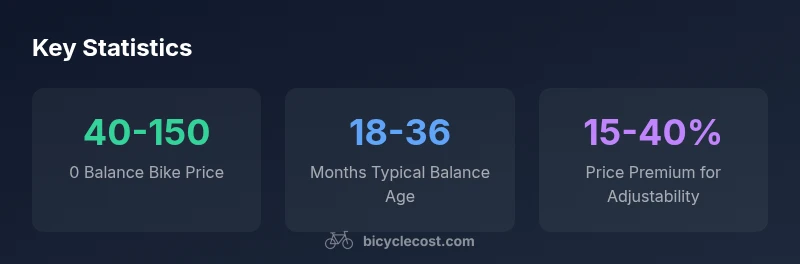
How much is a baby bicycle? Most families can expect a beginner balance bike to cost between $40 and $150, with pedal bikes typically $80-$250 as children grow. In 2026, price depends on sizing, materials, and adjustable features. This guide explains ranges, what drives cost, and how to budget for safety gear and future upgrades.
Why Price Matters for Baby Bicycles
Choosing the right baby bicycle isn’t just about the sticker price. For growing toddlers, the bike must be the right size, have safe controls, and endure frequent use outdoors. The BicycleCost team found that early-stage bikes set a baseline for a child’s confidence and motor development, making price a proxy for build quality and longevity. In 2026, the market includes a wide spectrum of options—from simple balance bikes made of durable plastic to lightweight aluminum-frame designs with adjustable components. While cheaper models can suffice for occasional rides, investing a bit more often yields benefits like longer seat height range, better brake options, and higher resale value when your child moves up to a pedal bike. For safety, you should prioritize sturdy wheel hubs, puncture-resistant tires, and low-friction pedals or no-pedal designs that help a child learn balance without frustration. The right price point aligns with your family budget, how often the bike will be used, and the expected lifespan of the bike across multiple seasons. According to BicycleCost, a practical approach is to consider total cost of ownership—initial price plus maintenance and potential future upgrades—rather than focusing on the sticker price alone.
Price Ranges by Stage
Pricing for baby bicycles scales with growth stages. At the entry level, balance bikes typically sit in a lower price band, emphasizing light weight, simple wheels, and a minimalistic frame. As a child approaches the age where pedals become relevant, pedal bikes enter a mid-range, trading off affordability for features like more robust brakes, adjustable seat posts, and higher-quality tires. High-end models, which often feature alloy frames, extended sizing ranges, and premium components, fall in the upper end of the spectrum. When budgeting, consider not just the initial purchase but also future upgrades—the same bike that works for a 2-year-old might need a different setup in a year or two. In practice, many families plan for a balance bike in the $40-$150 range and a pedal bike in the $80-$250 range, with premium models exceeding $250. The key is to align the price with the child’s size, skill progression, and the expected lifespan of the bike across several seasons.
What Drives Pricing in Baby Bicycles
Several core factors determine price: frame material (steel vs aluminum), weight, and overall durability; the range of adjustability (seat height, handlebar reach); braking system (coaster, caliper, or disc in some premium models); tire quality and puncture resistance; and brand reputation. Market dynamics also play a role: retailers sometimes bundle bikes with helmets or protective gear, while independent shops may offer longer warranties or after-sales support that elevates price slightly. Environment and supply chain conditions in 2026 can influence raw material costs, pushing some models toward the higher end of the spectrum. According to the BicycleCost Team, buyers should evaluate total cost of ownership—maintenance intervals, tube replacements, and potential upgrades—rather than focusing solely on an upfront price. When sizing and safety features are well-muited to your child, long-term value increases even if the upfront cost is modest.
Where to Buy and Warranties
Where you buy matters almost as much as what you buy. Reputable bike shops often provide expert fittings, guidance on age-appropriate models, and clearer warranty terms. Large retailers may offer bundled packages, but you should review return policies and verify what is covered under warranty (frame, components, wear items). Online marketplaces can be convenient but may lack local service support. Warranty duration typically correlates with price tier, particularly for frames and major components. In many cases, mid-range bikes balance cost with reliable warranty coverage and accessible customer service. For families, a store that offers a quick fitting session and a straightforward warranty is often a better long-term partner than the lowest sticker price.
Sizing, Fit, and Longevity
Size and fit are the dominant determinants of value in baby bikes. A bike that is too large or too small forces awkward rides and increases the risk of accidents. Look for adjustable seat heights and handlebar positions that accommodate growth within 6 to 12 months. A well-fitted bike typically lasts longer because it remains comfortable as the child grows, delaying the move to a larger pedal bike. Durability factors—such as reinforced frames and high-quality tires—also extend the bike’s useful life and preserve resale value. When families choose models with standard components and modular features, they gain flexibility to upgrade parts rather than replace the entire bike. In short, better sizing and robust construction often yield more value over multiple seasons, even if the initial price is slightly higher.
Budgeting Tips and Safety Gear
A thoughtful price plan includes safety gear, which adds to the total cost but is non‑negotiable for young riders. Budget for a certified helmet, knee and elbow pads, a hand pump, and a kickoff maintenance kit. You can often save by buying helmet-and-pad sets or bundles with treaded tires rather than premium add-ons. Consider gradual upgrades: start with a basic bike and add accessories as your child grows. When possible, prioritize safety features like non-slip pedals, reliable braking (where applicable), and puncture-resistant tires. By mapping out a 2–3 year ownership window and including maintenance costs, you’ll have a clearer view of affordability and value. The BicycleCost team suggests evaluating price in the context of growth and safety outcomes for children.
Pricing overview by model type
| Model Type | Typical Price Range | Notes |
|---|---|---|
| Balance bike | $40-$150 | Great for ages 1-4; no pedals and light weight |
| Pedal bike (small) | $80-$250 | Transition model with first pedals; suitable for early childhood |
| Premium/adjustable bikes | $200-$400 | Higher-quality components, longer lifespan, smoother ride |
People Also Ask
What is the typical price range for a beginner baby bicycle?
Balance bikes usually range from $40 to $150. Pedal bikes commonly run $80-$250. Higher-end models can exceed $250, especially with durable materials and better components. These ranges reflect general market trends for 2026 and may vary by region and retailer.
Typical beginner prices hover around forty to two hundred fifty dollars, with variations by region and retailer.
What features influence price the most?
Frame material, adjustability (seat and handlebar), braking system, tire quality, and brand reputation are the main price drivers. Upgrades like lighter frames and longer sizing ranges add cost but can improve growth potential and safety.
Frame material and adjustability mainly drive the price; higher-end components cost more but offer longer lifespan and better safety.
Should I buy used or new?
Used bikes can save money but may require more maintenance and carry limited warranty. New bikes come with full warranties and updated safety features. Assess the bike’s condition, components, and the seller’s reliability before buying used.
Used can save money, but check for wear; new bikes give warranties and peace of mind.
At what age should a child move to a pedal bike?
Most children transition to a proper pedal bike around ages 3 to 5, depending on balance ability and leg growth. Start with a well-fitted balance bike, then shift to a pedal bike when the child demonstrates comfortable balance and coordination.
Many kids switch to pedals between 3 and 5 years old, once balance and strength are ready.
Where is the best place to buy baby bicycles?
Reputable bike shops and established retailers are ideal for expert fittings and reliable warranties. Online retailers can be convenient, but verify return policies and after-sales support.
Shop at a trusted bike shop or reputable retailer for fitting help and solid warranties.
Do warranties vary by price?
Yes, higher-priced models often come with longer warranties covering frames and major components. Always read the warranty terms to understand coverage for wear items and service intervals.
Warranty length often increases with price, but check details for coverage and exclusions.
“Prices for baby bicycles reflect growth potential and safety features, not just the initial cost. Investing in adjustable sizing and durable components pays off as children grow.”
Quick Summary
- Budget for total cost, not just sticker price.
- Size and safety features drive long-term value.
- Prices rise with age, features, and quality.
- Consider resale value and maintenance in your plan.