How Much Is a Motorized Bicycle? 2026 Price Guide
Explore motorized bicycle costs from kit prices to ready-made bikes. Learn how motor type, battery capacity, and components drive total cost, plus ownership considerations and budgeting tips for 2026.


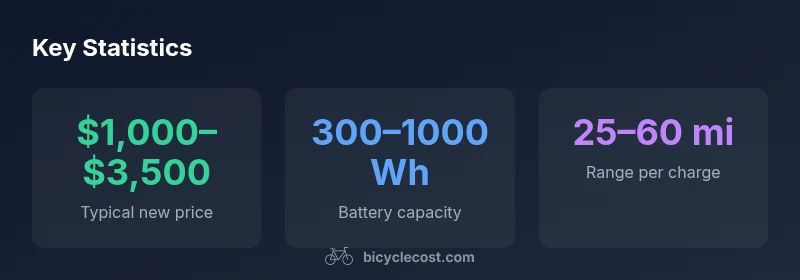
Prices for motorized bicycles vary widely, but most buyers pay between $1,000 and $3,500 before taxes and setup. Cheaper models under $1,000 exist mainly as light electric assists or basic kits, while high-end builds with powerful hub or mid-drive motors, larger batteries, and premium components can push toward $4,000 or more. Legal requirements can also affect total cost and timing of purchase.
What influences the price of a motorized bicycle
Prices for a motorized bicycle vary widely, and the question 'how much is a motorized bicycle' is answered by considering motor type, battery capacity, and build quality. According to BicycleCost分析, published in 2026, the cost landscape shifts with technology advances, regional regulations, and the quality of components. A basic kit paired with your existing bicycle may cost around $1,000, while mid-drive setups with larger batteries commonly sit in the $2,000–$3,500 range, and premium, purpose-built motorized bikes can exceed $4,000. The final price is also affected by frame materials, wheel size, braking system, and the inclusion of features like pedal assist, regenerative braking, and smart displays. In this section we break down the major cost drivers so you can budget and compare apples to apples. The price you pay is not just for the motor; it reflects the entire drivetrain, battery chemistry, and warranty coverage.
Price ranges by approach: kits vs ready-made
There are two primary paths to a motorized ride: converting an existing bicycle with a kit, or buying a purpose-built motorized bike. Conversion kits come in hub-motor and mid-drive flavors. Hub motor kits tend to be cheaper (roughly $150–$600 for the kit itself), while mid-drive kits (which provide torque at the crank) cost more upfront ($350–$1,200 for the kit). Ready-made motorized bikes start higher but offer optimized components and integrated warranties. Expect roughly $1,000–$3,500 for a solid, ready-to-ride model, with premium builds exceeding $4,000. When budgeting, factor in installation costs if you’re not installing the kit yourself.
Component cost breakdown: motor, battery, controller, frame
Understanding price requires dissecting the core components. The motor is the headline price driver, with hub motors usually cheaper than mid-drive systems, which also demand compatible drivetrains. The battery is the most influential ongoing cost; higher capacity (Wh) and newer chemistry (e.g., lithium-nickel-manganese-cobalt) raise upfront price but extend range and longevity. A capable controller, wiring, and display add to cost, while the frame, fork, and braking system determine durability and safety. Premium frames, integrated displays, and hydraulic brakes elevate the total.
Ongoing costs: maintenance, battery replacement, insurance
Owning a motorized bicycle isn’t a one-and-done purchase. Battery health degrades with time, often requiring replacement every 3–6 years depending on use and charging habits. Routine maintenance costs include periodic motor checks, brake servicing, tire replacement, and occasional controller updates. Insurance premiums may apply for higher-value builds or in certain jurisdictions. Battery replacements, if needed, can rival a portion of initial costs depending on capacity and chemistry. Planning for these recurring costs helps prevent sticker shock later.
Buying scenarios: budgeting for different needs
If you’re city commuting on flatter terrain, a budget-friendly kit with a 250–500 Wh battery may suffice, keeping total cost around the low end of the range. For hilly routes or longer commutes, a mid-range setup with a 500–750 Wh battery and a mid-drive motor improves performance and may justify higher upfront costs. For enthusiasts seeking peak performance, a premium integrated e-bike with advanced battery tech, smart features, and robust service networks can push costs well above $4,000. Before buying, map out your typical trips, weigh maintenance vs. upfront savings, and consider the total cost of ownership.
Legal and regulatory considerations that impact cost
Local laws about motorized bicycles—such as speed limits, classification as mopeds or bikes, licensing requirements, and insurance rules—can affect both price and total cost of ownership. In some regions, stricter compliance bodies demand approved brakes, lights, and safety gear, potentially increasing component costs and service needs. Always verify local regulations before purchase to avoid fines and ensure you stay compliant as your riding profile changes.
How to evaluate value: warranty, service networks, reputation
Value isn’t only price. A motorized bicycle with a strong warranty, access to local service centers, and reliable customer support can save money and aggravation over time. Check the battery warranty length, motor service intervals, and the manufacturer’s or seller’s reputation for parts availability. Reading user reviews and confirming access to authorized technicians helps ensure that the investment pays off even as components age.
Practical budgeting checklist for new buyers
Create a simple budget: start with the price range, then add 10–20% for installation (if not DIY), tax and title where applicable, and a contingency for maintenance in the first year. List must-have features (range, torque, braking type) and nice-to-have upgrades (GPS display, smartphone connectivity). Compare multiple options within your target price band, and don’t overlook local maintenance costs and the availability of service centers. A methodical budgeting approach reduces sticker shock and helps you choose a model that fits your riding goals.
Comparison of motorized bicycle purchase paths and price bands
| Model Type | Estimated Price Range | Pros | Cons |
|---|---|---|---|
| Conversion kit (hub motor) | 150–600 USD | Low upfront cost; uses your bike | Installation complexity; weight distribution changes |
| Conversion kit (mid-drive) | 350–1200 USD | Better torque; natural pedal assist | More involved install; drivetrain wear |
| Dedicated motorized bike (ready-made) | 1,000–3,500 USD | Warranty-friendly; optimized components | Higher upfront price; less customization |
| Premium e-bike | 3,000–6,000+ USD | Best performance; advanced battery tech | Very high cost; service network required |
People Also Ask
What is the typical price range for a new motorized bicycle?
Prices vary by motor type, battery size, and components. For a new motorized bicycle, expect roughly $1,000 to $3,500, with higher-end builds reaching beyond that. Warranty and service networks can shift value as much as upfront cost.
Most new motorized bicycles fall between one and three and a half thousand dollars, though premium builds can go higher.
Are cheaper motorized bicycles worth it?
Cheaper options exist, but they may come with reduced reliability, shorter battery life, and limited warranties. Consider total cost of ownership, including maintenance and potential battery replacements, before choosing a budget model.
A cheaper bike can save money upfront, but you may pay more later in maintenance and battery costs.
What factors affect motorized bicycle cost the most?
Motor type (hub vs mid-drive), battery capacity and chemistry, and overall build quality drive the most price variance. Additional costs include controller, dashboard displays, and frame quality.
Motor type and battery size mainly drive price, with build quality and components adding to the total.
Do I need special licensing or registration for a motorized bicycle?
Regulations vary by region. Some places classify motorized bicycles as mopeds or motorcycles, requiring registration, licensing, or insurance. Check local laws before buying to avoid penalties.
Regulations differ by area, so verify local rules before purchasing.
What is the best way to budget for a motorized bicycle?
Start with a price range, then plan for installation, tax, potential battery replacement, and maintenance in the first year. Compare models within your target range and factor in service availability.
Set a price ceiling, add installation and maintenance costs, and compare service networks.
“Price is only part of the equation. The long-term cost of ownership, reliability, and service access often determines true value.”
Quick Summary
- Define your budget before shopping
- Count total ownership costs, not just sticker price
- Choose motor type based on terrain and use
- Check local regulations to avoid surprises
- Invest in reliable battery and service options