Bicycle Sizes for Adults: A Practical Sizing Guide
Learn how to determine bicycle sizes for adults with practical steps, measurements, and brand considerations. This guide covers inseam, height, bike types, fitting tweaks, and test-ride strategies for a comfortable, efficient ride in 2026.


Size matters for adult riders: choose a frame that matches your inseam, height, and reach to ensure comfortable pedaling and safe handling. Start with standard sizing charts, then verify with a test ride. According to BicycleCost, correct sizing reduces fatigue and improves efficiency across road, mountain, and hybrid bikes. For newcomers, invest time in a proper fit before buying.
Why sizing matters for adults
For bicycle sizes for adults, proper sizing is not a luxury—it's a safety and performance issue. The wrong frame size can force you to ride with cramped knees, a stressed back, and a reach that makes braking and shifting awkward. A well-fitting bike transfers power more efficiently, improves traction, and reduces fatigue on long rides. The BicycleCost team notes that size mismatches are one of the most common causes of early discomfort for new riders and often lead to reduced ride frequency. In practice, sizing affects your pedal stroke, weight balance, and even how much you enjoy cycling. The first step is to know that sizing is not a one-size-fits-all label; it depends on your height, inseam, torso length, arm length, and riding style. Throughout this guide we’ll translate height into frame sizes, while also acknowledging personal preference and brand differences.
Understanding frame geometry: what actually gets sized
Bicycle sizes for adults are expressed through frame geometry rather than a single number. Key terms include seat tube length, top tube length, stack, reach, and standover height. While frame size roughly correlates with seat tube length on traditional road bikes, modern frames use stack and reach to describe vertical and horizontal reach from the bottom bracket to the handlebars. This means two bikes with the same number might feel different depending on geometry. When sizing, focus on how you reach the handlebars, how tall you feel over the frame, and how your knees bend when the pedals are at knee height. A precise fit balances comfort, control, and efficient power transfer.
Measuring yourself: inseam, height, and reach
Start with three measurements: your height, your inseam (the distance from your crotch to the floor while standing with bare feet), and your arm reach. Multiply your inseam by a standard factor to estimate saddle height, then add a stem adjustment if needed. Use a sit-to-heel check to ensure you can comfortably reach the pedals with a slight knee bend at the bottom of the stroke. Compare these results to brand-specific size charts, then test ride the two closest sizes. For optimal accuracy, measure with cycling shoes on and factor in your typical riding posture. This approach helps ensure bicycle sizes for adults align with your unique proportions.
Matching frame sizes to bike types: road, mountain, and hybrid
Different bike types use different sizing philosophies. Road bikes typically require a slightly smaller frame for the same height due to different geometry, while mountain bikes emphasize taller stacks for upright posture on rough terrain. Hybrid bikes sit between road and mountain geometries. For adults around 150-160 cm, frame sizes commonly fall in the mid-to-high 40s cm range for road bikes and low- to mid-50s for mountain frames. Riders around 170-180 cm may look at frames in the mid-50s to around 58 cm depending on reach and torso length. Always confirm with a test ride to feel how well the bike responds to your steering and leg extension. The goal is a comfortable position that lets you pedal efficiently without overreaching or slumping.
Home-fit tweaks: making small adjustments count
If you’re between sizes or between brands, you can tweak fit with small changes. A longer or shorter stem can adjust reach; a taller or shorter handlebar can affect steering control; a taller or longer seatpost can adjust saddle height and setback. Saddle design also matters; a wider nose or a more curved top makes a big difference in comfort for longer rides. If you have a relatively short torso but long legs, you might need a frame with a longer top tube or a custom saddle setback. These tweaks are inexpensive, but they can dramatically improve comfort and control on bicycle sizes for adults.
Testing fit: what to look for during a ride
Before buying, take a structured test ride. Check that your knee forms a natural bend with pedals parallel to the ground, your back remains relaxed, and your wrists aren’t strained. Ensure you can comfortably reach brakes and shifters without locking elbows. The cockpit should feel balanced: not too stretched, not overly folded. If you notice numbness, pinching, or fatigue after a few minutes, revisit sizing and tweak the cockpit setup with a shop professional. A well-fitted bike should feel easy to control and comfortable from the first pedal stroke.
Pitfalls that skew sizing decisions
Riders often fixate on frame size alone, ignoring stack and reach. A frame labeled “smaller” can feel perfectly sized if it has a higher handlebar position or a shorter stem. Brand variations also complicate sizing: the same numeric size on two brands can feel different due to geometry. Don’t assume a size from one bike will translate to another. Always verify with a test ride and consult the manufacturer’s charts for each model. Buying a bike sized for a friend almost never yields optimal ride quality for you.
Brand variation and sizing charts: why charts aren’t universal
Brands produce bikes with different geometries; a 54 cm frame on one brand isn’t the same as a 54 cm frame on another. Use each brand’s own size chart and, when possible, rely on professional fitting services. If you’re shopping multiple brands, compare the stack and reach as much as the labelled size. You’ll often see riders choosing a larger frame in one brand and a slightly smaller frame in another to achieve the same fit. This is normal; it just reinforces the value of checking geometry rather than trusting a single size label.
Practical sizing checklist for buying a new bike
Before purchasing a new bike, complete this checklist: measure inseam, height, and arm reach; consult multiple brand size charts; identify 2–3 closest frame sizes; schedule a test ride; adjust saddle height and cockpit with a pro if needed; confirm reach and balance during a brief uphill/flat ride; finalize the purchase once you’re confident in comfort and control. This approach reduces post-purchase regret and ensures long-term satisfaction with bicycle sizes for adults.
Rough frame-size guidance by rider height (approximate)
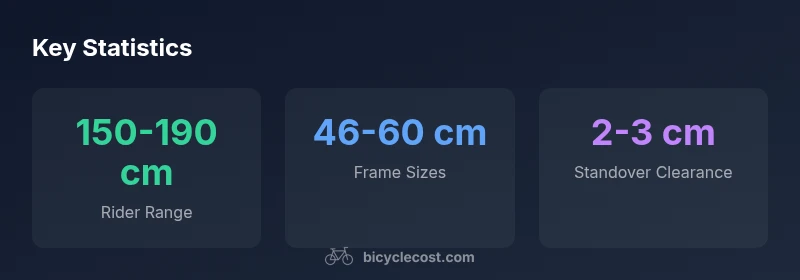
| Rider Height Range (cm) | Estimated Frame Size (cm) | Notes |
|---|---|---|
| 150-160 | 46-49 | Road/Hybrid basics |
| 160-170 | 50-52 | General purpose |
| 170-180 | 54-56 | Balanced reach |
| 180-190 | 58-60 | Tall rider consideration |
People Also Ask
What is the simplest way to determine my bike size?
Begin with your inseam, height, and reach. Compare to brand size charts and then test-ride the closest options. Adjust saddle height and cockpit as needed for comfort.
Measure inseam and height, compare to size charts, and test ride several sizes to confirm fit.
Do sizes differ across bike types like road vs mountain?
Yes. Road, mountain, and hybrid bikes use different geometry. A 54 cm road frame is not the same as a 54 cm mountain frame. Always check model-specific charts and, if possible, test ride both types.
Yes—geometry varies by bike type, so check each model's chart and test ride.
Can I ride a bike that’s slightly too large or small if I adjust the saddle or stem?
Slight adjustments through saddle setback, stem length, and handlebar width can help, but they can’t fully compensate for a poor frame fit. Prioritize choosing a size that matches your body proportions.
Adjustments help, but they can’t fully compensate for a poor frame fit.
Is professional bike fitting necessary for beginners?
A professional fit is highly recommended for long-term comfort and performance, especially if you ride frequently or have knee or back issues. It helps tailor size, saddle position, and cockpit geometry.
A professional fit is highly recommended for optimal comfort.
What if I’m between sizes from the same brand?
Choose the larger size and adjust with a shorter/longer stem or a different saddle. A test ride will reveal whether you should tweak the cockpit or pursue the next size.
Choose the larger size and adjust cockpit components after a test ride.
How often should I re-check my sizing?
Re-check sizing if you notice persistent discomfort, a change in riding posture, or after a significant body change. Regular check-ins during maintenance can help catch issues early.
Check sizing if your comfort or posture changes, or after major body changes.
“Sizing correctly improves comfort and efficiency and reduces injury risk across all bike types. A data-driven fit pays dividends in performance and enjoyment.”
Quick Summary
- Start with inseam-based sizing charts
- Test ride multiple sizes for confirmation
- Use brand-specific charts due to geometry differences
- Adjust cockpit with stems and seatposts when between sizes