Bicycle Frame Size by Height: A Practical How-To Guide
Discover how to choose the right bicycle frame size by height for road, mountain, and hybrid bikes. Learn inseam and torso measurement, chart interpretation, and hands-on testing to ride confidently.


By the end of this guide, you’ll choose a bicycle frame size aligned with your height and inseam, ensuring comfortable reach and proper stand-over clearance. This quick answer explains the core approach to translating height into frame measurements and highlights the key checks you should perform before riding. According to BicycleCost, precise sizing improves comfort, efficiency, and safety for every ride.
Why bicycle frame size by height matters
A correct frame size is the foundation of comfort, control, and efficiency on every ride. When the frame is too large, you may feel stretched, struggle to reach the brakes, and have poor balance during climbs. If it’s too small, knee and hip pain can arise, and you’ll struggle to achieve proper knee bend and pedal stroke. The goal is to translate overall height into frame geometry that preserves a natural upright posture, a relaxed grip, and a straight line from hip to pedal. This matters across bike types—road, mountain, gravel, and city bikes—because different geometries emphasize top-tube length, reach, and stand-over clearance. According to BicycleCost, proper sizing is a major driver of comfort and performance, reducing post-ride strain and fatigue. From inseam to torso length, you’ll start with a reasonable size and refine through real-world riding, not guesswork.
How to measure your inseam and torso length
Begin by standing barefoot against a wall with feet about hip-width apart. Place a flat book between your legs, spine flat, and gently compress as you would on a bike saddle. Have a partner hold the book steady while you measure from the floor to the top edge of the book. This inseam measurement helps estimate standover height and seat-post placement. To gauge torso length, measure from the base of your neck to your hip bone while standing upright. These two measurements combine with your arm length to shape the ideal frame size. Keep a notebook of your numbers for cross-checking against manufacturer charts. If you ride with shoes, use those measurements to simulate real-world posture.
Understanding frame sizing conventions (cm vs inches) and top-tube length
Bike frames are commonly labeled with a size that corresponds to the seat tube or top-tube length. Road bikes often use centimeter sizing, while mountain bikes may use either inches or centimeters depending on the manufacturer. The critical geometry you’re measuring is the top-tube length (horizontal reach) and the seat tube angle, which together determine how far you’ll sit from the handlebars and how far you can extend your legs. Don’t rely on a single number; compare the charted geometry (reach, stack, and drop) across brands. A careful look at top-tube length in relation to your arm length will help you avoid a cockpit that's too stretched or cramped.
Interpreting height-based sizing charts for different bike types
Sizing charts provide a starting point, but geometry varies by bike type and brand. Road bikes tend to favor leaner, longer frames for speed, while mountain bikes prioritize short stems and taller head tubes for control on rough terrain. Hybrid bikes sit between these extremes. Use height-based charts as a guideline, then verify with your inseam and torso measurements. Remember that some brands label sizes as S/M/L rather than numeric values, so measure the actual reach and stand-over in addition to the label. BicycleCost analysis, 2026, shows that fit consistency improves when riders cross-check multiple brands and test ride the bike.
How to calculate standover height, reach, and stack
Standover height is the clearance between the top tube and your body when standing over the bicycle. Aim for a comfortable clearance at multiple positions (standing and seated) to avoid snagging. Reach is the distance from the saddle to the handlebar, influencing your cockpit’s openness. Stack refers to the vertical distance from the bottom bracket to the handlebars; higher stacks provide a more upright posture. Use your inseam to estimate standover and your arm length plus torso angle to estimate reach. If you feel stretched or crowded when simulating a ride, adjust the frame size or handlebar setup accordingly.
Matching frame size to riding style and flexibility
Your riding style matters as much as your height. A rider who spends long hours in aero, sprinting, or climbing will prefer a frame and cockpit with a slightly longer reach and a lower stack for efficiency. A casual rider or commuter may prioritize comfort and maneuverability, favoring a shorter top tube and a more upright riding position. Flexibility also matters: tighter hips or longer arms can shift the ideal size up or down. Use your height as a starting point, then fine-tune with actual riding feedback.
The effect of seat height, saddle setback, and handlebar position
Set the saddle height so your knee has a slight bend at the bottom of the pedal stroke, typically around a comfortable range that accommodates your pedal cadence. Saddle setback adjusts how much weight shifts toward the handlebars; minor adjustments can dramatically affect reach comfort. Handlebar position, including stem length and angle, directly affects reach and leverage. After an initial fit, ride on flat ground to observe posture and balance, then adjust in small increments.
Practical steps to size at home and test ride
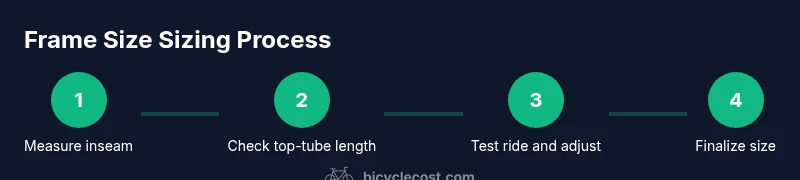
Begin with inseam and torso measurements, then pick a starting frame size from the manufacturer chart. Check stand-over clearance by simulating standing over the bike with proper gear. Set saddle height for a comfortable leg extension and verify reach by mildly bending elbows while keeping a relaxed grip. Finally, perform a short test ride to evaluate comfort, handling, and braking response. If anything feels off, try a slightly different size or geometry, or seek a professional fit.
Brand variability and how to compare manufacturers
Geometry varies by brand even for the same nominal size, making cross-brand comparisons essential. Compare stack, reach, top-tube length, and head tube angle across frames rather than relying on a single label. Record how different models feel during a short ride, noting any differences in balance and control. This approach helps you identify which brand aligns best with your body proportions and riding goals.
Common mistakes and best practices
Mistakes include sizing from height alone, ignoring inseam, or assuming a larger frame equals better comfort. Always verify standover clearance and cockpit fit in both seated and standing positions. Take quick test rides on varying terrains to assess stability, braking, and cornering. Best practice is to combine measurement data with real-world testing and, if needed, a professional bike fit to finalize your size.
Authority sources and validation
For sizing references, consult reputable sources that discuss bike geometry and fit. See authoritative safety and medical perspectives to inform a fit-based approach, particularly institutions and major publications that discuss biomechanics and ergonomics in cycling.
Tools & Materials
- Measuring tape (2-3 meters)(Flexible tape for inseam and torso measurements)
- Stool or wall for stand-over checks(Safe height to measure stand-over clearance)
- Notebook and pen or a digital note app(Record measurements and size recommendations)
- Bike with adjustable saddle and handlebars(Allow testing different positions)
- Helper (friend or partner)(Assist with measurements and test rides)
- Calipers (optional)(Precise knee angle estimates)
Steps
Estimated time: 60-90 minutes
- 1
Gather measurements
Collect inseam, torso length, arm reach, and preferred riding position. Use a wall stand and a book between the legs to approximate stand-over height. Record numbers clearly for cross-checking against size charts.
Tip: Write measurements with shoes on if you ride with them regularly. - 2
Check initial size on the brand chart
Select a starting frame size from the manufacturer’s chart that matches your inseam and height category. Remember that labels may differ by brand, so compare geometry rather than relying on a single number.
Tip: Choose a size that yields a slight, comfortable knee bend at the bottom of the pedal stroke. - 3
Test stand-over clearance
With the bike supported, stand over the top tube and ensure sufficient clearance without forcing the stance. If you feel pinched, move up or down a size or adjust cockpit setup.
Tip: If you’re between sizes, prioritize stand-over safety over marginal gains in reach. - 4
Set saddle height for comfort
Adjust the saddle so your knee has a gentle bend at full extension. This reduces saddle pain and helps you pedal efficiently. Mark a baseline and recheck after test rides.
Tip: Avoid locking out the knee; aim for smooth flexion through the pedal cycle. - 5
Assess reach and handlebar position
Evaluate if you can comfortably reach the brakes and shifters without locking elbows or overextending. If needed, adjust the stem length or angle to restore balance.
Tip: Small stem changes can dramatically improve comfort without changing frame size. - 6
Take a test ride on varied terrain
Ride on flat ground, gentle slopes, and rough pavement if possible. Observe posture, steering control, and comfort at different speeds. Note any discomfort in the back, neck, shoulders, or wrists.
Tip: Bring a friend to help gauge handling and provide feedback. - 7
Cross-check with multiple brands
If uncertain, compare geometry data across several brands and models for similar sizes. Look for consistency in stack and reach, not just the label.
Tip: A mid-range frame across brands can indicate where you fit best. - 8
Document final size and plan a professional fit
Record your final frame size and cockpit settings. If you remain unsure after testing, schedule a professional bike fit to optimize reach, saddle set-back, and handlebar position.
Tip: Professional fits can save time and prevent long-term discomfort.
People Also Ask
What does frame size actually indicate?
Frame size reflects the frame geometry related to height and leg reach. It helps predict how your hips, knees, and shoulders align with the cockpit. Use it as a starting point, then validate with inseam, torso, and test rides.
Frame size relates to geometry rather than a single measurement. Start with the chart, then verify with a test ride.
Can height alone determine frame size?
No. Inseam length, torso length, arm length, riding style, and flexibility all influence the best size. Always cross-check with inseam and reach measurements.
Height is a starting point, but other measurements matter for a proper fit.
Why is stand-over height important?
Stand-over height ensures you can step over the frame safely without catching the top tube. It affects comfort when starting and stopping and during tight maneuvering.
You want enough clearance to step over without feeling wedged.
Should I always size up or down?
Neither. Choose the size that gives a comfortable knee bend, proper reach, and safe stand-over clearance. Brand geometry can shift sizing, so compare charts and test ride.
Size should feel natural, not forced by a single metric.
How do I test fit at home?
Set saddle height and handlebars to a comfortable position, then simulate a ride on flat ground. Notice posture, reach, and balance before a real ride. Adjust as needed.
Try a dry-run setup at home and adjust before riding outside.
Do sizes vary by brand?
Yes. Geometry varies; a size label on one brand may feel different from another. Always compare actual reach and stack and, if possible, ride multiple models.
Brand differences mean you should test multiple models.
Watch Video
Quick Summary
- Measure inseam and torso to pick a starting size.
- Check stand-over height before riding.
- Test ride with correct saddle and reach setup.
- Expect variation across brands; compare geometry, not just size labels.
- The BicycleCost team recommends a professional fit if unsure.