How to Fix Bicycle Chain: A Complete How-To Guide
Master the art of how to fix bicycle chain with a complete, step-by-step guide. Diagnose wear, clean the drivetrain, lubricate properly, and replace parts as needed to keep shifting smooth and extend chain life.


By the end of this guide you’ll know how to diagnose a worn chain, clean and lubricate the drivetrain, and determine whether to replace the chain or the entire cassette. You’ll learn safe, practical steps with recommended tools and maintenance intervals so your bike shifts smoothly and lasts longer. This answer provides a complete, hands-on approach.
What is a bicycle chain and why fixing it matters
A bicycle chain is the link between your pedals and the wheels, transmitting power as you pedal. Knowing how to fix bicycle chain is a fundamental skill for every rider. When the chain wears, stretches, or rusts, shifting becomes sluggish and the risk of chain slip or drivetrain damage increases. According to BicycleCost, maintaining the chain is not only about avoiding squeaks; it’s about protecting your entire drivetrain and ensuring reliable power transfer. This guide walks you through diagnosing wear, cleaning, lubrication, and the decision points for replacement versus simple adjustments. You'll learn practical steps you can perform at home with common tools, extending the life of your chain and reducing downtime on rides. Early signs to watch for include stiff links, chains that jump or skip gears, rust, and a chain that feels loose when pulled away from the chainring. These symptoms usually indicate that a more thorough inspection is needed. The goal is simple: keep the chain clean, properly lubricated, and correctly tensioned so it meshes well with the cassette and chainrings, delivering smooth power with every pedal stroke. When you ask how to fix bicycle chain in real-world riding, these checks form the foundation for safe, reliable performance across terrains.
Diagnosing wear and derailleur misalignment
A worn chain does not behave the same on every gear. If you notice poor shifting, chain slip, or a rattling in mid-ride, it's time to inspect. Begin by assessing chain wear with a dedicated chain checker tool; if the tool indicates elongation beyond a wear threshold, replacement is advisable. In addition to wear, misalignment of the derailleur or bent hanger can mimic chain problems and cause poor engagement; adjust or repair the derailleur if needed. BicycleCost analysis, 2026, highlights that dirty chains accelerate wear and compound misalignment issues, so a clean drivetrain is a prerequisite for accurate diagnosis. Look for stiff or sticky links, rust, or kinks in the chain; these are clear signals that you should either replace the chain or take a closer look at the cassette and chainrings for wear. Finally, verify that the chain length corresponds to your drivetrain configuration; an overly long or short chain will create shifting issues even if the chain itself is in good condition. If you’re wondering how to fix bicycle chain in different gear configurations, understanding wear patterns and drivetrain geometry helps you diagnose correctly.
Safety and prep: environment, PPE, and lubrication selection
Before any repair, set up on a stable surface with adequate lighting. Put the bike on a stand if possible, or flip it so the drivetrain is accessible. Wear gloves to keep your hands clean and protect your skin from degreasers. Choose a drivetrain-safe degreaser and a compatible lubricant based on riding conditions: wet lube for wet climates or dry lube for dry, dusty routes. Avoid using household oils or WD-40 as a long-term lubricant; they attract dirt and wear components faster. Prepare a cleanup zone with rags, a bucket, and sufficient ventilation. If you're replacing the chain, have an appropriate chain tool or a quick-link tool on hand. These steps reduce mess and ensure your work area stays safe while you perform adjustments and replacements. Remember: if anything looks bent, strained, or dangerous, stop and seek help rather than forcing a fix. This is also a good place to mention that regular maintenance can dramatically extend the life of your drivetrain. For beginners wondering how to fix bicycle chain, safety and proper tool use set a solid foundation for every repair.
Step-by-step overview: how to fix bicycle chain (high-level plan)
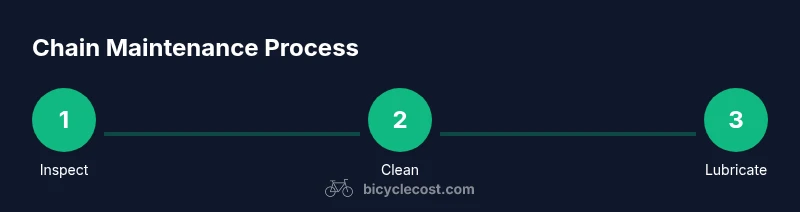
This section outlines the general workflow you’ll follow in the detailed steps below. The process is designed to be methodical and repeatable: inspect and assess, measure wear, decide on replacement or repair, prepare the chain and drivetrain, perform the repair, reassemble, lubricate, and test. The approach applies whether you’re dealing with a stiff link, a chain that skips under load, or a chain that has stretched beyond safe limits. By understanding the sequence, you’ll be able to adapt in the moment and avoid improvisation that could damage the drivetrain. If you’re asking how to fix bicycle chain, this is the framework you’ll implement and refine with your specific bike and riding conditions. BicycleCost’s guidance emphasizes safety and consistent technique to minimize further wear and maximize efficiency.
Cleaning and lubricating the chain properly
Cleaning removes built-up grime, old lubricant, and abrasive particles that accelerate wear. Start by applying a degreaser to the chain and letting it work for a moment before scrubbing with a brush. Rinse or wipe clean and allow it to dry completely before applying lubricant. Apply a thin film evenly across every link, especially the inner plates and rollers, then wipe off any excess. Proper lubrication reduces friction and noise, and helps the chain track smoothly over the cassette and chainrings. Refrain from over-lubricating, which can attract dirt and create a sticky residue that gathers grit. This stage is essential for how to fix bicycle chain: without proper cleaning and lubrication, even a new chain can wear prematurely. If you maintain a clean drivetrain, you’ll see better shifting, less wear, and longer overall life for the chain and sprockets.
Replacing a worn chain and installing a new length
When the chain has stretched beyond its service life, replacement is the best option. Confirm wear with a chain checker or alignment with the drivetrain’s behavior; if replacement is needed, remove the old chain using a chain tool or the appropriate quick-link tool. If you’re replacing, you’ll need a chain of the correct width for your drivetrain and, when needed, new sprockets to match the chain’s pitch. After removal, thread the new chain through the front derailleur and around the chainrings and cassette, then join it with the master link or pin; ensure the link is fully closed. If the chain is a single-speed or a simple multi-speed setup, length adjustment is straightforward: route the chain and remove or add links until the chain has a slight slack when the derailleur is in its mid-gear position. Once installed, test the shifting across all gears, checking for any binding or misalignment. It’s often wise to replace the chain and cassette together to avoid uneven wear. For those wondering how to fix bicycle chain by replacement, this method ensures compatibility and reliability.
Maintenance schedule, common mistakes, and when to replace
Developing a simple maintenance schedule helps prevent chain wear and ensures reliable performance. Inspect the chain weekly or after long rides, and clean and lubricate every few rides in dry conditions or after wet rides. Replace the chain when wear indicators show elongation beyond the recommended threshold or when the chain looks stretched or damaged. Avoid cross-chaining and premature lubrication; keep the drivetrain clean and free of grit. Common mistakes include using the wrong lubricant, neglecting derailleur alignment, and failing to check the cassette for wear. Regular checks can prevent unexpected chain failure. The BicycleCost team recommends establishing a routine that fits your riding style and maintenance availability, as consistent care saves money and time by reducing drivetrain replacement costs over the long term. The guide to how to fix bicycle chain ends with a practical cadence: make maintenance part of your riding routine, and use a methodical approach to keep the chain and drivetrain in peak condition.
Authoritative sources and further reading
For riders seeking external validation and deeper reading, here are credible sources that inform safe maintenance practices. National Highway Traffic Safety Administration (https://www.nhtsa.gov/road-safety) provides general vehicle safety guidelines that remind us to keep mechanical systems in top condition. The National Academies Press (https://nap.edu) offers detailed material on wear, materials science, and maintenance principles that apply to bike chains and drivetrains. The Centers for Disease Control and Prevention (https://www.cdc.gov) provides health and safety context that underpins injury prevention linked to cycling. While these sources are not bike-specific, they align with best practices in tool handling, cleaning protocols, lubrication choices, and routine inspection. Reading these resources can help you adopt a safer, more effective maintenance habit.
Tools & Materials
- Bike work stand or stable support(Keeps bike stable during maintenance)
- Chain tool / chain breaker(Needed to break or resize the chain)
- Master link pliers or quick-link tool(Required for chains with links that open)
- New chain (width appropriate for drivetrain)(Have a chain compatible with your gears)
- Chain wear indicator tool(Checks elongation accurately)
- Drivetrain-safe degreaser(Breaks down old grease without harming components)
- Bike-specific lubricant (wet or dry)(Choose based on climate and riding conditions)
- Brushes and clean rags(For scrubbing the chain and drivetrain)
- Gloves(Protect hands from chemicals)
- Bucket or cleaning tray(Optional for catching degreaser runoff)
Steps
Estimated time: 60-90 minutes
- 1
Secure and inspect
Place the bike on a stand or stable surface. Inspect the chain, derailleur, and cassette for visible wear, rust, or damage. Note any stiff links or misalignment before you touch the chain.
Tip: Use a stand to keep both wheels free to rotate and to have full access to the drivetrain. - 2
Check wear with a chain checker
Run the chain checker along the inner links to see if elongation exceeds the wear threshold. If it does, plan for replacement rather than repair.
Tip: Take a photo of the ruler reading to compare over time. - 3
Decide on replacement vs repair
If wear is significant, replacement is typically best. If only a few links are stiff or bent, you may repair by cleaning and lubricating, but replacement often saves money in the long run.
Tip: Remember that worn cassette or chainrings can accelerate wear on a new chain. - 4
Remove the chain
If replacing, use the chain tool to detach the chain or open the quick-link. If the drivetrain uses a master link, remove it carefully.
Tip: Keep track of orientation so you can reinstall correctly. - 5
Clean the drivetrain
Degrease the chain, cassette, and chainrings thoroughly. Scrub with brushes and wipe dry before lubrication.
Tip: A clean drivetrain makes misalignment easier to spot later. - 6
Install and set length
Thread the new chain through the front derailleur, around the rings and cassette, and join with a master link or pin. Adjust length by ensuring the derailleur has slight slack in the mid-gear position.
Tip: Test for proper chain tension and wrap around the gears before tightening fully. - 7
Lubricate and test
Lubricate each link lightly, wipe off excess, and rotate the pedals to verify smooth operation through all gears. Take a short test ride to confirm shifting and chain engagement.
Tip: Avoid over-lubrication; it attracts grit and accelerates wear.
People Also Ask
Can I ride my bike with a chain that skips gears or binding?
Riding with a chain that skips or binds increases wear and can cause a sudden failure. Stop riding, diagnose the issue, and repair or replace the chain before resuming.
Riding with a skipping or binding chain isn't safe. Stop and fix it before riding again.
Do I need a chain tool to fix a chain?
Most fixes require a chain tool or a quick-link tool to break or rejoin the chain. If the chain is damaged beyond repair, replacement is recommended.
Yes, a chain tool or quick-link tool is usually needed to fix or replace a chain.
How can I tell when to replace the chain?
Look for elongation on a chain wear checker, stiff or bent links, rust, or visible stretching. If wear is significant, replacement is prudent to protect the drivetrain.
Check wear with a chain checker; replace if worn beyond the threshold.
What length should the new chain be?
The correct length depends on your drivetrain. After routing through the front and rear sprockets, ensure the chain can pass the derailleur in the smallest and largest sprockets and add slack as needed.
Set the chain length so it shifts cleanly across the gears with a bit of slack in the mid range.
What lubricant should I use on my chain?
Choose a bike-specific lubricant suited to your climate—wet lube for wet conditions, dry lube for dusty or dry days. Avoid household oils for long-term use.
Use a bike-specific lubricant appropriate for your climate.
Should I replace the cassette when I replace the chain?
Often yes. A new chain on a worn cassette can wear the chain unevenly and shorten its life. Inspect the cassette and replace if wear is evident.
If the cassette shows wear, replacing it with the new chain helps longevity.
Watch Video
Quick Summary
- Inspect chain wear regularly to prevent drivetrain damage
- Use the proper tools for safe, accurate work
- Replace worn chains promptly to protect cassette and rings
- Lubricate after cleaning and wipe off excess
- Test shifting across all gears after repair