How Much Is a Bicycle Chain in 2026? A Practical Guide
Explore typical bicycle chain prices, factors that affect cost, and how to choose the right chain. A BicycleCost Analysis, 2026 guide with buying tips, wear considerations, and maintenance costs.


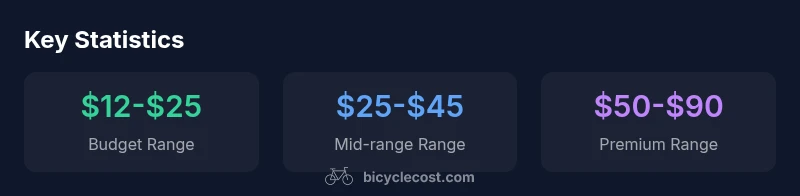
The typical price for a new bicycle chain ranges from about $12 to $90, depending on speed compatibility, width, and materials. Budget chains run around $12–$25, mid-range chains $25–$45, and premium chains can reach $50–$90. Compare price per mile and ensure the chain fits your drivetrain to maximize value.
What determines the price of a bicycle chain?
Prices for a bicycle chain are not a single number you memorize at checkout. They reflect a mix of drivetrain compatibility, materials, finish, and manufacturing tolerances. If you're wondering how much is a bicycle chain, the answer is: it depends on your bike's speed (number of gears), the chain width you need, and how much wear resistance you want. According to BicycleCost, the biggest price drivers are speed compatibility (11-speed vs 9-speed, etc.), material quality, and brand reputation. In practice, you can expect three broad price bands: budget/basic chains, mid-range chains, and premium chains.
- Budget/basic chains often cost around $12-$25 and are usually adequate for casual riders, single-gear conversions, or older drivetrains.
- Mid-range chains typically run about $25-$45 and offer improved longevity and smoother shifting for most modern road and mountain bikes.
- Premium chains, sometimes as high as $60-$90, prioritize lightweight construction and lowest friction for high-performance setups.
The BicycleCost team notes that price alone should not drive the decision. A chain that doesn’t fit your drivetrain or wears quickly will cost more in the long run due to drivetrain wear. For most riders, the best value sits in the mid-range category, provided you select the correct width and speed compatibility for your bike. In a 2026 review, the cost-to-life ratio was highlighted as a key metric when evaluating options.
How much is a bicycle chain: price bands and factors
Price bands for bicycle chains generally fall into three tiers, driven by speed compatibility, corrosion resistance, and manufacturing quality. Budget chains ($12-$25) are often adequate for older bikes or limited use, while mid-range chains ($25-$45) deliver better durability and smoother shifts for most 6- to 10-speed builds. Premium chains ($50-$90) are designed for high-performance setups where weight, friction, and precision matter most. When selecting, always verify that the chain width matches your drivetrain (e.g., 9-speed vs 11-speed) and that the rivets and plates meet the tolerances your bike requires. The price you pay should be weighed against wear life and the potential savings from reduced drivetrain damage over time.
How to estimate your chain needs before buying
Before selecting a chain, determine three key things: your drivetrain speed (how many gears you have), the required chain width, and the correct chain length. Start by checking the manufacturer’s specification for compatibility—this tells you whether you need a narrow chain for an 11- or 12-speed system or a wider chain for older setups. Next, measure the chain length if you’re replacing an existing chain; most chains come in standard lengths, but you may need to add or remove links to fit your rear derailleur’s gear range. Finally, consider the riding style and environment; aggressive riders or muddy, dusty conditions can wear chains faster, affecting overall cost and performance. A practical rule is to prioritize the width that matches your gears and to choose a reputable brand within your budget to balance cost and longevity. The BicycleCost team emphasizes that accurate compatibility is more important than price alone for long-term value.
Hidden costs and accessories to consider
When budgeting for a new chain, don’t forget accessories that can affect total cost. A master link or quick link is common and can simplify installation. A quality chain lubricant helps maximize life and performance, especially in wet or dusty conditions. A chain tool is needed if you’re resizing a chain; some riders prefer a shop installation to ensure correct tension and length. Finally, consider a chain wear indicator tool to monitor when replacement is due. While these items add to upfront costs, they can extend chain life and drivetrain health, reducing long-term maintenance expenses. The choice between DIY and professional installation also influences total cost, with pros typically offering speed and guarantees that some riders value highly.
Maintenance, wear, and replacement cadence
Proper maintenance is how you stretch the value of any chain. Regular cleaning and lubrication reduce friction and wear, while timely replacement prevents damage to teeth on the chainrings and cogs. Wear indicators are useful: if the chain elongates beyond a few percent, it should be replaced to prevent accelerated wear on the cassette. Lifespan varies with riding style, terrain, and maintenance, but a typical rider can expect noticeable wear within 3,000 to 5,000 miles with average care. The cost-per-mile improves when you align your chain choice with your riding profile, buying in the correct width and speed range, and performing routine lubrication and cleaning.
DIY vs professional replacement: when to hire a pro
DIY replacement is feasible for many riders, especially when you buy a chain within your drivetrain’s width and use a compatible master link. However, installation complexity increases with more gears and tighter tolerances. If you’re unsure about the correct length or tension, or if you’re replacing a worn cassette along with the chain, a professional shop can ensure precise alignment and safety. Labor costs vary by region and shop, but many riders find that professional replacement is worth avoiding drivetrain misalignment and potential damage. The key is to ensure compatibility and length, so you don’t end up with a chain that binds or slips under load.
Practical buying strategy for most riders
A sensible approach combines value, compatibility, and longevity. First, confirm your drivetrain speed and chain width from your bike’s specifications. Second, compare mid-range options from reputable brands to balance cost and durability. Third, factor in the cost of essential accessories (master link, lubricant, chain tool) and the potential savings from DIY installation. Finally, prioritize a chain that offers reliable wear life and easy maintenance. The BicycleCost team recommends opting for a mid-range chain that matches your gears and length, paired with proper lubrication and regular checks, rather than chasing the lowest upfront price. This strategy minimizes future expenses and keeps your drivetrain running smoothly.
mainTopicQuery":"bicycle chain"],
Price ranges by chain type (as of 2026)
| Chain Type | Typical Price | Notes |
|---|---|---|
| Budget/basic chain | "$12-$25" | "Suitable for casual riders or older drivetrains" |
| Mid-range chain | "$25-$45" | "Better longevity; smoother shifts for common speeds" |
| High-end chain | "$50-$90" | "Lightweight; optimized for performance" |
People Also Ask
What factors influence bicycle chain price?
Price is driven by speed compatibility (number of gears), chain width, material quality, and finish. Higher-end chains use advanced coatings and tighter tolerances for smoother shifting and lower friction, which can improve longevity. Always verify compatibility with your drivetrain before buying.
Prices vary with gear count, width, and material choices; compatibility is key.
Is it cheaper to replace a chain than fix drivetrain damage?
In many cases, replacing a worn chain is cheaper than repairing or replacing drivetrain components damaged by a stretched chain, such as cassette teeth and chainrings. The cost savings depend on how soon you replace after wear is detected.
Replacing a worn chain early can save you from bigger repairs later.
Can I use a cheap chain and expect long life?
Cheap chains can work for casual riding, but they often wear faster and may shift poorly on modern multi-gear drivetrains. Longevity and performance typically improve with mid-range choices that fit your gearing and usage.
Cheaper chains tend to wear out sooner; choose based on your riding style.
How do I know if my chain is worn out?
Use a chain wear indicator tool or check for excess elongation and poor shifting. If you notice skipped gears, stiff links, or excessive stiffness, it’s a sign the chain needs replacement and possibly friends with the cassette.
A wear indicator will tell you when it’s time to replace.
Are master links included in the price?
Many chains include a master or quick link in the box, but always confirm with the retailer. If not included, you’ll want to budget for a link and tool for installation.
Check the package so you’re not missing a link when you install.
Do premium chains offer better value?
Premium chains often offer lighter weight and smoother shifting, but the extra cost may not translate to meaningful benefits for casual riders. Evaluate based on your drivetrain, riding style, and maintenance routine.
Premium chains are best for high-performance setups and frequent riders.
“A well-chosen chain can extend drivetrain life and improve shifting, but only when matched to your speed and length, and properly maintained.”
Quick Summary
- Identify the right width and speed compatibility before buying.
- Mid-range chains offer the best balance of price, longevity, and performance.
- Consider wear life and maintenance cost per mile, not just upfront price.
- DIY installation can save money, but ensure proper fit and tension.
- Always verify compatibility with your drivetrain to avoid waste.