How to Bicycle Exercise: A Practical Guide
Learn how to start bicycle exercise safely and effectively with a structured plan, safety gear, progression strategies, and sample workouts. This guide from BicycleCost helps cyclists of all levels build endurance and enjoy cycling.


Begin with a safe, progressive bicycle exercise routine by setting a weekly plan, choosing a comfortable pace, and focusing on consistency. Start with 3 rides per week, 20–30 minutes each, include warm-ups and cool-downs, wear a helmet, and monitor effort using heart rate or RPE. Adjust intensity and duration as you progress.
Why Regular Bicycle Exercise Improves Health
Regular bicycle exercise offers a practical, low-impact way to improve cardiovascular health, strengthen muscles, and enhance joint mobility. For most adults, cycling is gentler on the joints than high-impact activities like running, making it a sustainable option for long-term fitness. Beyond physical benefits, cycling can boost mood, reduce stress, and improve cognitive function through steady aerobic activity. Consistency matters: even modest weekly mileage accumulated over weeks and months yields meaningful health gains. According to BicycleCost, a data-informed approach that emphasizes gradual progression and enjoyment helps beginners stay motivated and avoid burnout. This makes bicycle exercise accessible to a wide range of riders, from casual commuters to weekend enthusiasts.
As you begin, choose routes and surfaces that feel comfortable and safe. Flat or gentle hills are ideal for building confidence, while busy roads may require more caution and protective gear. The goal is to establish a routine you can repeat with minimal friction, so plan around your schedule, weather, and local traffic conditions. A sustainable routine also supports weight management, cardiovascular health, and metabolic function over time. Incorporating cycling into daily life can translate to improved energy for daily tasks and better overall fitness.
How to Structure a Bicycle Exercise Plan
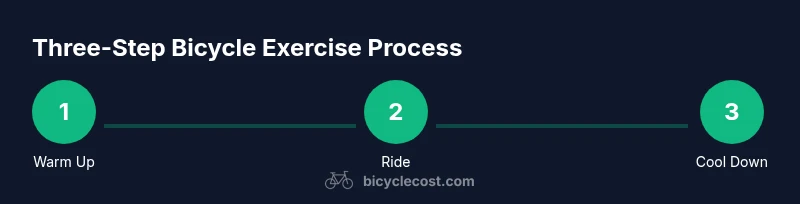
Designing a clear plan helps you progress safely and measure improvements. Start with a realistic cadence—three rides per week is a solid baseline for beginners. Each ride should include a warm-up (5–10 minutes of easy pedaling), a main block at a comfortable but engaging pace, and a cool-down (5–10 minutes) to gradually bring heart rate down. Use simple cues to monitor effort: you should be able to speak in short sentences during the main block but feel your breathing pick up. Alternate between steady rides and lighter, technique-focused sessions to build efficiency and form. As endurance builds, extend ride duration by 5–10 minutes or introduce short, gentle intervals to introduce new stimulus without causing excessive fatigue. Tracking progress in a simple log can boost motivation and accountability.
For variety, mix routes with varied terrain, but prioritize safety first. If you ride in traffic, wear bright clothing, use lights or reflectors, and stay visible. If you ride in parks or shared paths, keep to predictable lines and announce yourself when passing pedestrians. The key is gradual progression: increase volume before intensity, and never sacrifice form for speed. The BicycleCost team emphasizes that patience and consistency beat rapid increases in workload, especially for new riders.
Safety First: Gear, Technique, and Environment
Before you ride, ensure your bike and gear are in good condition. A safe ride starts with a properly fitted helmet, gloves for grip and comfort, and bright, reflective clothing. Check tires for proper inflation, brakes for reliable stopping power, and chains for smooth shifting. Carry a spare tube and a small pump or CO2 inflator for punctures, and bring water to stay hydrated. Riding surfaces matter: choose well-maintained paths or quiet streets, and be mindful of road hazards like potholes, gravel, and wet paint. On busy days, plan routes during lighter traffic hours and use bike lanes when available. Technique matters too: maintain a relaxed upper body, soft wrists, and a smooth pedal stroke. For hills, stand briefly or shift to easier gears to maintain cadence without excessive strain. If you’re unsure about bike fit, consider a professional assessment to optimize comfort and reduce injury risk.
Beginner-Friendly Workouts: Three Sample Rides
Starting with simple, repeatable workouts helps you build confidence quickly. Here are three beginner-friendly ride templates you can rotate weekly:
- Easy Starter (20–30 minutes): 5 minutes warm-up, 10–15 minutes steady pace, 5 minutes cool-down. Focus on smooth pedaling and steady breathing.
- Endurance Builder (30–40 minutes): 5 minutes warm-up, 15–20 minutes moderate effort, 5 minutes cool-down. Slightly increase distance while keeping a conversational pace.
- Technique + Cadence (25–35 minutes): 5 minutes warm-up, 10–15 minutes easy pedal at a higher cadence, 5 minutes cool-down. Emphasize efficient pedal stroke and posture.
As you advance, substitute one ride per week with a longer ride or gentle interval work. Always end with stretches for hips, calves, and quads to aid recovery.
Progression Strategies: Time to Grow
Progression should be gradual and measured. Increase weekly volume by about 10% when your body adapts, and introduce short, controlled intervals to improve stamina. If you experience persistent fatigue or soreness, dial back volume or intensity and allow extra recovery days. Periodization—varying weekly load with lighter weeks—helps prevent overtraining and keeps motivation high. Consider core work and mobility routines alongside cycling to support posture and overall performance. A consistent routine with planned progression yields sustainable gains and reduces injury risk, especially for new riders.
Monitoring and Maintenance: Stay Consistent
Tracking your rides helps you stay on course and identify patterns. Use a simple log or app to record ride duration, perceived effort, routes, and weather. Regularly inspect your bike and gear: tires, brakes, chain lubrication, and drivetrain cleanliness all influence performance and safety. Set a monthly review to evaluate progress, adjust goals, and ensure gear fits your evolving needs. Hydration, nutrition, and sleep all support recovery and performance, so pair cycling with healthy lifestyle habits. Community support, whether online or local clubs, can provide accountability and motivation to maintain consistency over time.
Common Pitfalls and How to Avoid Them
Beginners often fall into similar traps: starting too aggressively, skipping warm-ups, riding in unsafe conditions, or neglecting recovery. Avoid these by adhering to a simple progression plan, prioritizing safety, and listening to your body. If you miss a session, don’t panic—simply resume with a lighter ride and rebuild gradually. Hydration and proper fueling are crucial for longer sessions. Finally, ensure your bike fits well and that you’re wearing appropriate gear for weather and terrain. Consistent habits beat sporadic bursts, and safety should always come first.
Tools & Materials
- Bicycle in good working condition(Frame, brakes, derailleur checked; tires inflated to recommended pressure)
- Helmet(Proper fit, buckle secured)
- Gloves(Grip and comfort; optional for beginners)
- Lights/reflective gear(If riding in low light or traffic)
- Water bottle / hydration(Stay hydrated during rides)
- Cycling shorts or padded liner(Comfort on longer rides)
- Pump or CO2 inflator(For on-the-road puncture care)
- Spare tube and patch kit(Essential repair items)
- Bike multi-tool(Screwdrivers, Allen keys, etc.)
- Trail map or route app(Plan safe routes)
Steps
Estimated time: 45-60 minutes
- 1
Assess baseline fitness
Record how long you can ride at an easy pace without excessive fatigue. This establishes a baseline to track progress and helps tailor weekly targets.
Tip: Use a simple score like how talkative you are during the ride to gauge intensity. - 2
Define your weekly plan
Choose 3 days for cycling with a rest day between sessions. Allocate 20–40 minutes per ride depending on your current fitness.
Tip: Keep one session purposely easy to promote recovery and consistency. - 3
Prepare the bike and gear
Check tires, brakes, and chain; ensure your helmet fits properly and lights are functional if needed.
Tip: Carry a pump, spare tube, and patch kit for punctures. - 4
Warm up before each ride
Pedal at a very easy pace for 5–10 minutes to raise heart rate gradually and loosen joints.
Tip: Include gentle leg and hip mobility circles during the warm-up. - 5
Ride with a steady cadence
Maintain a comfortable cadence (rhythm of pedaling) where you can talk in short sentences.
Tip: If you’re breathless, ease off a bit or shift to an easier gear. - 6
Cool down and stretch
Slow down for 5–10 minutes and finish with stretches for calves, quads, and hips.
Tip: Hold each stretch for 15–30 seconds to aid recovery. - 7
Track progress and adjust
Record ride data and adjust duration or intensity after 2–3 weeks based on how you feel.
Tip: Progress gradually to avoid overtraining and injuries.
People Also Ask
Is bicycle exercise good for beginners with no cycling experience?
Yes. Start with short, easy rides and a generous warm-up. Focus on consistency and form before increasing duration or intensity.
Yes, beginners can start with short, easy rides and gradually build up as they gain confidence and endurance.
How should I pace my rides to avoid burnout?
Use an easy conversational pace for most rides. Reserve higher intensity for specific, short intervals as your fitness improves.
Keep most rides at an easy pace; introduce short, gentle intervals once you’re comfortable.
Do I need a professional bike fitting?
A basic fit is helpful, especially if you experience knee, back, or neck discomfort. Check saddle height, handlebar reach, and cleat position if you use clips.
A professional fit is helpful if you have discomfort; otherwise a simple self-check can often suffice.
How long before I see improvements in endurance?
Most beginners notice gradual endurance gains after about 4–6 weeks of consistent training, with continued progress as you adapt.
Most beginners start to feel steadier after about a month of regular rides.
What should I do on days I don’t feel like riding?
Aim for a very light session or a mobility day. Even short activity can keep you on track and prevent a larger drop in habit strength.
If you’re not feeling it, do a light session or mobility work to stay in the habit.
Watch Video
Quick Summary
- Plan rides three times per week to build consistency.
- Progress gradually to maximize gains and minimize injury.
- Prioritize safety: helmet, lights, and route awareness.
- Track progress to stay motivated and adjust plans.