How to Bike for Cardio: A Practical Guide
Learn how to bike for cardio with a structured plan that builds endurance, improves heart health, and reduces risk of overuse injuries. This BicycleCost guide covers intensity, duration, progression, safety, and tracking to help you ride smarter.


Learn how to bike for cardio to boost endurance and heart health. This guide outlines pacing, routes, and workout structure for beginners to intermediates, including cadence, heart-rate targets, and progression tips. From warm-ups to cooldowns, you’ll find practical steps to build sustainable cardio gains while minimizing injury risk.
Why biking is a powerful cardio workout
Cardio, short for cardiovascular exercise, strengthens your heart, improves lung capacity, and boosts overall endurance. Bicycling is particularly well suited for building aerobic fitness because you can sustain a steady pace for extended periods, whether cruising on paved roads, climbing gentle hills, or riding indoors on a trainer. This combination of leg-driven work and rhythmic breathing makes cycling accessible to beginners and scalable for athletes. According to BicycleCost, cycling integrates efficient energy use with muscle engagement, enabling safer progression for people returning to exercise or managing joint discomfort.
Outdoor rides also offer natural variation—traffic, terrain, and weather—while indoor cycling gives you precise control over cadence and resistance. Either way, cardio cycling trains your heart to pump more efficiently, improves mitochondrial density, and helps regulate blood sugar and blood pressure. In short, regular bike workouts can be a practical pathway to a healthier heart and leaner legs. If you want a structured approach, this guide walks you through intensity, progression, and practical session design for how to bike for cardio.
Foundational concepts: intensity, duration, frequency
Building cardio via cycling hinges on three pillars: intensity, duration, and frequency. Intensity determines how hard your body is working; duration is how long you sustain effort; frequency is how often you ride each week. Practical application uses three tiers of effort: light, moderate, and vigorous. For most riders seeking cardio benefits without excessive fatigue, aim for the moderate zone most of the time and sprinkle in occasional harder efforts. Cadence (pedal revolutions per minute) and perceived exertion help you stay within these zones when you don’t have a heart-rate monitor handy.
When starting, keep sessions approachable: 2–4 rides per week with durations of 20–45 minutes per ride for beginners; as fitness improves, gradually increase either duration, intensity, or both. A simple rule is: add 5–10 minutes to one ride per week or add a single higher-intensity interval to one session. If you can talk in full sentences during most of a ride, you’re likely in a sustainable cardio zone; if talking becomes difficult, ease back a notch.
For bicycle-specific cardio, consistency matters more than occasional all-out efforts. Over several weeks, you’ll notice improved recovery, lower resting heart rate, and better endurance on longer rides. Remember, every rider responds differently, so listen to your body and progress at a pace that feels comfortable yet challenging.
Structuring workouts: warm-up, main set, and cooldown
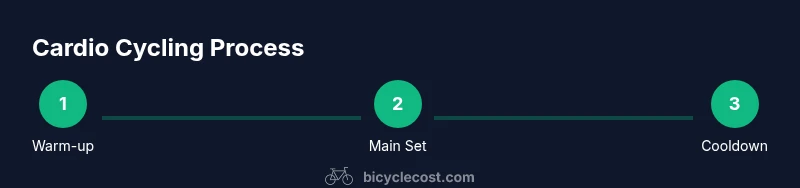
A well-structured cardio ride follows a simple sequence: warm-up, main set, and cooldown. Start with 5–10 minutes of easy spinning to raise muscle temperature and lubricate joints. The main set can be steady-state at a comfortable pace or include intervals to boost aerobic capacity. For many riders, a balanced approach is 20–40 minutes of steady effort, punctuated by short, controlled surges.
A cooldown of 5–10 minutes eases you out of effort, followed by light stretching to reduce muscle tightness. If you’re short on time, even a compact 25–30 minute ride with a short interval burst can deliver cardio benefits, but ensure you complete the full structure on most days to maximize adaptation and recovery.
Progression should be gradual: increase total ride time by 5–10 minutes every week or introduce one higher-intensity segment per session. This approach supports sustainable gains and reduces the risk of overtraining.
Interval training for cardio: a practical template
Intervals are an efficient way to raise cardiovascular fitness without requiring long workouts. A practical starter interval is: 1–2 minutes at a hard, but controllable effort, followed by 2–4 minutes of easy cycling for recovery. Repeat this cycle 4–6 times depending on fitness. As you improve, you can extend the hard interval to 3–4 minutes and keep recovery at 2–4 minutes.
Another approach is tempo intervals: 5–8 minutes at a steady, challenging pace, with equal or shorter recoveries. Use these intervals 1–2 times per week, ensuring you still have at least one longer, steady ride weekly. Always warm up before intervals and cool down after to support safe, productive training.
Equipment, bike fit, and safety essentials
Starting cardio cycling requires a basic setup: a reliable bike in good working order, a properly fitted helmet, and basic safety gear. A heart-rate monitor or a bike computer helps you stay in desired intensity zones, while water and hydration are essential during longer rides. Proper tire pressure and brake function are critical for efficiency and safety, especially on varied terrain. If you ride indoors, a stable trainer and a secure bike mount power your cardio workouts without weather interruptions.
Bike fit matters for cardio workouts because improper knee, hip, or back alignment can limit performance and cause injuries over time. Consider a professional fit if you experience persistent discomfort. Always ride with awareness of your surroundings, obey traffic laws, and wear bright clothing or lights when riding at dawn, dusk, or night.
Monitoring progress and avoiding injuries
Progress in cardio cycling is best tracked through a combination of metrics: ride duration, perceived exertion, average cadence, and, if available, heart-rate data. Plateaus are natural; when you hit one, adjust by small increments—extend ride time, add a brief interval, or slightly increase resistance. Recovery is as important as training: schedule rest days and alternate hard days with easy ones.
Injury prevention hinges on gradual progression, proper bike fit, and adequate warm-up. If you experience knee, hip, or lower back pain that lasts several days, reassess your setup and intensity. Hydration, nutrition, and sleep also play essential roles in how well your cardio adaptation occurs.
Sample weekly plans for different levels
Below are two practical templates to get you started. Adapt them to your schedule and terrain. If you have time constraints, prioritize 2–3 rides per week and focus on consistency over perfection.
-
Beginner plan (2 days/week):
- Day 1: 20–30 minutes of steady, comfortable effort with a 5-minute warm-up and 5-minute cooldown.
- Day 2: 25–35 minutes including 2 blocks of 1–2 minutes at a brisk but sustainable pace, with 2–3 minutes easy spinning between blocks.
-
Intermediate plan (3 days/week):
- Day 1: 30–40 minutes steady ride with 2–3 simple cadence pickups of 30–60 seconds.
- Day 2: 25–35 minutes with intervals: 1–2 minutes hard, 2–3 minutes easy, repeat 4–6 times.
- Day 3: 40–55 minutes comfortable ride plus 8–12 minutes of tempo effort split into two blocks.
Motivation, consistency, and safety reminders
Cardio cycling is a long-term habit, not a one-off sprint. Set realistic goals, track progress, and celebrate small wins. Pair rides with cross-training, mobility work, and rest to avoid burnout and overuse injuries. If you’re new to cardio or have medical concerns, consult a professional before starting a new program and listen to your body throughout.
Tools & Materials
- Road or mountain bike(In good condition with reliable brakes and tires)
- Helmet(Certified safety helmet that fits correctly)
- Water bottle and cage(Stay hydrated during rides)
- Heart-rate monitor or bike computer(Optional but highly recommended)
- Repair kit and bike pump(Flat tire kit, multi-tool, floor pump)
- Appropriate clothing(Padded shorts and breathable layers)
- Trainer or safe outdoor route(Indoor trainer removes weather constraints)
Steps
Estimated time: 60-90 minutes
- 1
Inspect bike and gear
Before any cardio session, check brakes, tires, chain, and gears. Ensure your helmet fits securely and that your water bottle is filled. A quick safety check reduces the risk of mechanical failure mid-ride.
Tip: Carry a small tool and spare tube for unexpected flats. - 2
Warm up with easy spins
Begin with 5–10 minutes of very light pedaling to wake up muscles, joints, and neuromuscular coordination. Include a few short, smooth accelerations to prepare for the main set.
Tip: Focus on smooth pedal stroke rather than speed at this stage. - 3
Set your target intensity
Decide whether you’ll ride steady or perform intervals. Use perceived exertion or a heart-rate guide to stay in the intended zone. If in doubt, stay in a conversational pace.
Tip: Use a simple rating: 0 = easy, 5 = hard; aim for 3–4 during most of the ride. - 4
Execute main set
Ride at your chosen intensity for the planned duration. For intervals, alternate hard efforts with easier recoveries. Maintain good form and cadence.
Tip: Keep your shoulders relaxed and maintain a comfortable grip. - 5
Hydration and fueling check
Drink water during the ride and have a light snack if you’re riding long. Hydration supports performance and recovery.
Tip: Sip regularly rather than gulping all at once. - 6
Cooldown and stretch
End with 5–10 minutes of easy pedaling, followed by gentle lower-body stretches to reduce stiffness and improve flexibility.
Tip: Hold stretches for 15–30 seconds, breathing steadily. - 7
Record and reflect
Log ride duration, perceived effort, and any notes about route or terrain. Reflection helps you tailor future sessions.
Tip: Note how you felt before and after the ride for better progression. - 8
Plan progression
Choose a small, consistent way to increase the workload next week—longer ride, additional interval, or higher resistance.
Tip: Avoid abrupt increases that could cause overtraining or injury.
People Also Ask
What is cardio cycling and why is it effective?
Cardio cycling is aerobic exercise that raises heart rate to improve endurance and heart health. It’s effective because it combines leg drive, rhythmic breathing, and sustained effort, which trains the cardiovascular system without excessive impact on the joints.
Cardio cycling is sustained aerobic exercise that strengthens your heart and lungs, making it an effective, joint-friendly way to build endurance.
How often should I ride for cardio gains?
Aim for 2–4 rides per week depending on your starting fitness and schedule. Give yourself at least one rest day between hard sessions and gradually increase volume as your body adapts.
Most people start with two to four rides weekly, balancing effort and recovery.
What equipment do I need to start?
A comfortable bike in good condition, a properly fitted helmet, hydration, and a way to monitor intensity (heart rate monitor or bike computer) are the basics. Optional items include padded shorts and a trainer for indoor workouts.
You mostly need a safe bike, helmet, water, and a way to track intensity.
Should beginners do intervals or steady-state for cardio?
Begin with steady-state rides to build a base, then gradually introduce short intervals to boost aerobic capacity. This progression reduces injury risk while promoting gains.
Start with steady rides and add short, controlled intervals as you progress.
How do I track progress on a cardio cycling plan?
Log ride duration, perceived effort, heart rate, and cadence. Review weekly trends to adjust intensity, duration, and frequency for continued improvement.
Keep a simple log of ride time, effort, and heart rate to see your progress.
Can I bike for cardio if I have knee pain?
Yes, but address form, fit, and load. Use low resistance, higher cadence, and consult a clinician if pain persists. Cross-train and ensure proper warm-up.
Knee pain can be managed with proper fit and technique; if pain persists, get checked.
Watch Video
Quick Summary
- Start with base endurance rides.
- Progress gradually to include intervals.
- Monitor heart rate and perceived exertion.
- Incorporate warm-ups and cooldowns every ride.
- Track progress to stay motivated.