What to Consider When Buying a Bike
This guide walks you through essential factors when buying a bike, including size, fit, intended riding style, budget ranges, components, brakes, and safety considerations to help you choose confidently.


To choose the right bike, start with fit and riding style, then match frame size, geometry, and components to your needs. Consider budget, intended terrain, brakes, drivetrain, and warranty. Always test ride to verify comfort, reach, and handling, and inspect headset, quick-release skewers, and tires for safety.
Why Fit and Purpose Matter
For most buyers, the right bike is the one that fits you physically and matches how you plan to ride. According to BicycleCost, the most successful bike purchases begin with a clear riding goal and a commitment to proper fit. A bike that fits poorly, or one that doesn’t align with your intended use, leads to discomfort, reduced confidence, and shortened riding sessions. The fitter the bike is to your body and goals, the easier it is to ride longer, enjoy more miles, and improve safety. In practice, this means understanding your inseam for stand-over height, your reach to the handlebars, and your flexibility to accommodate the saddle and cockpit. Remember that “fit” isn’t just height—it’s how the bike’s geometry places your body in a comfortable, efficient position for pedaling and steering over distances and terrain.
- Prioritize your natural riding posture and avoid forcing a bike into a position that causes knee or back strain.
- Don’t underestimate how small adjustments in saddle height and handlebar reach can transform comfort after a short ride.
- Use a reputable shop that offers a sizing session or a test ride to verify fit before buying.
A good fit reduces fatigue, enhances control, and improves safety by ensuring you can reach brakes, shifters, and pedals without compensating with your posture. The BicycleCost team emphasizes that fit should come before fancy features or high-end components. The goal is a bike you forget you’re wearing, not a bike that reminds you to stop after every ten minutes.
Related terms to explore: bike geometry, stack and reach, stand-over height, saddle setback, cockpit width, fork offset, wheel size.
Defining Your Riding Style and Terrain This block covers: how your riding style guides category choice, the importance of terrain, and how to balance comfort with speed. Includes: budget and category mapping, example rider profiles, and practical decision tips.
0
Tools & Materials
- Measuring tape (min. 150 cm / 60 in)(To verify stand-over height and reach when testing frames.)
- Notepad or notes app(Record measurements, test-ride impressions, and any adjustments needed.)
- Bike pump or CO2 inflator(If test-riding, ensure tires are properly inflated to ride comfort.)
- Allen keys/adjustable wrench(To check basic adjustments and torque on components.)
- Helmet and gloves for safety(Always ride safely when test-riding in a shop or open area.)
Steps
Estimated time: 60-120 minutes
- 1
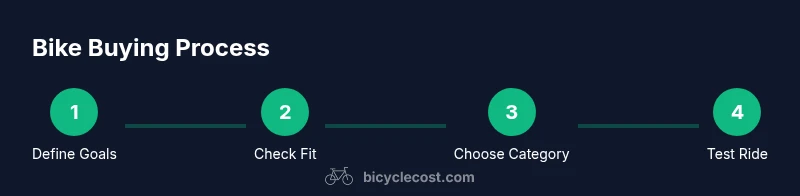
Define Your Riding Goals
Identify how you plan to use the bike (commuting, weekend rides, gravel, hills, or racing). This will guide category choice and feature priorities like tire width, gearing, and weight. Write down your top three scenarios to compare with each bike you test.
Tip: Keep your goals practical; avoid chasing features you won’t use. - 2
Assess Your Body Fit
Measure your inseam for stand-over height and estimate proper saddle height. Consider torso length and arm reach to set a comfortable saddle-to-handlebar distance. If you’re unsure, request a sizing session at a shop.
Tip: If you’re between sizes, sometimes a smaller frame with a taller stem can offer a better fit. - 3
Choose a Bike Category
Road, mountain, hybrid, or electric each has distinct geometry, weight, and intended use. Match your riding goals to the category that best supports efficiency, control, and comfort for your terrain.
Tip: Remember: a bike bought for light trails on a road frame may add effort and reduce confidence. - 4
Evaluate Key Components
Prioritize brakes, drivetrain, wheel quality, and tires. Entry-level bikes can offer reliable performance, while mid/high-end builds may improve longevity and maintenance intervals. Verify compatibility with future upgrades.
Tip: Check wheel size and brake type first—the wrong choice here affects everyday riding and future service. - 5
Test Ride and Check Fit
Test ride at a shop or controlled setting. Note comfort, reach, pedal stroke, cornering feel, and braking responsiveness. Make adjustments to seat height and cockpit to optimize your position.
Tip: Ask staff to observe your posture during the ride and suggest adjustments. - 6
Budget for Accessories and Maintenance
Account for a helmet, lock, lights, fenders, and basic maintenance tools. Include a small reserve for potential parts or service within the first year.
Tip: Maintenance conversations with your shop can save money long-term. - 7
Compare In-Store vs Online Options
Weigh the benefits of hands-on sizing and support against price and selection available online. Consider return policies, warranties, and after-sales service when comparing options.
Tip: A local shop often offers valuable ongoing support and sizing checks. - 8
Make the Final Decision
Walk away with a decision checklist: fit, category alignment, component quality, warranty, and total cost with accessories. If unsure, revisit test-ride data or seek a second opinion.
Tip: Trust your hands-on feel and the bike’s comfort over longer rides. - 9
Plan Your Purchase Timing
If you’re shopping during seasonal sales, time your purchase around promotions but avoid rushing to beat a perceived deadline. Ensure availability of parts and service near you.
Tip: A patient, well-timed purchase reduces post-purchase regrets.
People Also Ask
What is the most important factor when buying a bike?
Fit and intended use are the top priorities. A bike that fits well and matches your riding goals reduces fatigue and increases confidence.
Fit and intended use are the most important factors to consider when buying a bike.
Should I buy online or in a local shop?
Local shops offer sizing sessions, in-person bike fitting, and after-sales service. Online purchases can save money but may require more self-sufficiency for sizing and setup.
Local shops give you fitting help and support; online shopping can save money but may need more self-fitting.
How do I know my bike size?
Size is usually determined by frame size and reach. Use inseam measurements for stand-over height and test different frame sizes during a ride.
Use your inseam for stand-over height and test different frame sizes during a ride.
Is it better to buy a higher-spec bike or a lower-spec bike?
Higher-spec bikes offer smoother performance and longer component life, but a well-fitted lower-spec bike can be a better value if it meets your needs. Prioritize fit and reliability.
Higher-spec parts aren’t necessary for beginners; fit and reliability matter more.
Do I need maintenance when buying a bike?
Yes. Plan for regular tune-ups, tire checks, brake adjustments, and chain lubrication. A maintenance plan helps extend the bike’s life and safety.
Yes—regular maintenance keeps the bike safe and lasting longer.
How long should a bike last?
With proper care, many bikes last several years and even a decade or more, especially if components are upgraded gradually and maintenance is consistent.
A well-maintained bike can last many years, especially with sensible upgrades.
Watch Video
Quick Summary
- Prioritize fit before features
- Define riding goals to guide category choice
- Test ride to validate comfort and reach
- Budget for essential accessories and maintenance
- Choose a shop that offers sizing and after-sales support