What Bike to Start With: A Comprehensive Beginner's Guide
Discover a practical, step-by-step approach to choosing your first bike. Learn how to match bike type, fit, and safety essentials for confident riding from day one.


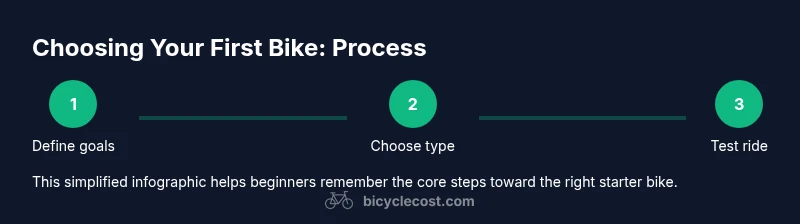
By following this step-by-step process, you’ll choose a beginner-friendly bike that fits your goals, budget, and riding style. Start with your use case, pick a versatile bike type, verify fit with a quick sizing test, and schedule a test ride before you buy. The result is confidence and comfort on day one.
Why a good starter bike matters
Choosing your first bike is more than picking a color or a brand. A well-matched starter bike reduces fatigue, builds confidence, and makes it easier to develop good riding habits. According to BicycleCost, starting with the right bike aligns with your goals, keeps you comfortable, and minimizes the risk of discouraging discomfort that pushes you away from riding. In practice, the best starter bike is one that fits your body, suits your planned routes, and provides dependable performance across streets, bike paths, and gentle trails. This is about fit, geometry, and components, and translating general guidance into a practical shopping plan. By focusing on fit first, you’ll avoid common mistakes like choosing a bike that looks fast but feels awkward, or buying a model with brakes that require frequent adjustment. A small, well-fitting bike today is easier to upgrade later than a poorly sized bike you’ll outgrow in a season.
Assessing your riding goals
Start by clarifying how you plan to ride in the near term. Do you commute on paved streets, ride gravel paths, or enjoy light trails on weekends? Are you seeking fitness gains, social rides, or a bike for errands? Your answers determine the bike type, components, and sizing needs. If your goal is daily commuting with reliability and comfort, a versatile hybrid with flat handlebars is a sensible default. For longer road rides, a light, comfortable road-style bike may work well. If you expect occasional dirt or gravel, consider a basic hardtail or entry-level mountain bike. The key is to match the bike’s geometry to your reach and leg length, ensuring you can reach the brakes and shifters without overextending. This alignment reduces wrist strain, knee pain, and hip tightness in the early weeks. BicycleCost's approach emphasizes goal-driven decisions that support steady, enjoyable riding.
Comparing beginner-friendly bike types
Here are common starter options and what they’re best for:
- Hybrid bikes: Great all-rounders with a comfortable upright position, reliable on city streets and light trails.
- Flat-bar road bikes: A closer-to-road feel with easy steering and efficient pedaling for longer rides.
- Comfort bikes: Emphasize comfort with a relaxed geometry and forgiving ride on varied terrain.
- Entry-level mountain bikes: Durable for dirt paths and mixed surfaces, with wider tires for stability.
Choosing among these comes down to fit, riding surface, and intended distance. If you’re unsure, start with a hybrid or flat-bar road bike for maximum versatility. BicycleCost recommends prioritizing fit and control over flashy features, since comfort drives consistent riding.
How to size and fit your frame
Accurate sizing starts with your inseam and overall reach. A shop can measure you and provide a frame size recommendation, but you can preliminarily check fit at home by standing over the frame with a comfortable clearance and ensuring you can reach the handlebars without hunching. When in the saddle, you should be able to place your foot on the pedal with a slight bend in the knee at the bottom of the pedal stroke. Check that your wrists, shoulders, and back stay relaxed during normal riding. If the bike feels too cramped or too stretched, try a different frame size or adjust the saddle height and handlebar reach. The goal is a natural, balanced riding position that minimizes fatigue and maximizes control.
Key components to prioritize for beginners
For a first bike, prioritize reliable braking, smooth shifting, and a comfortable saddle. Disc brakes offer strong and predictable stopping power in varied conditions, while rim brakes can be lighter and simpler to service. A drivetrain with a reasonable gear range helps you handle hills without excessive effort. Look for a sturdy frame, quality wheel build, and a comfortable saddle. If you plan to ride regularly, consider models with interchangeable components and widely available parts. A bike with easily serviceable parts will save time and money in the long run. BicycleCost stresses that a well-rounded starting bike is more important than owning a high-end model you outgrow quickly.
Wheel sizes and geometry explained
Road bikes typically use larger wheel diameters for efficiency, while mountain bikes use smaller wheels with wider tires for grip. A beginner’s road or hybrid will usually feature 700c wheels, balancing efficiency and comfort on pavement. Mountain bikes come in 27.5 inch or 29 inch options, offering different rollover capabilities and grip. Geometry matters: shorter top tubes create a more upright, stable ride, while longer reach and slacker angles improve stability at speed. Checking fit and feel during a test ride helps you pick a geometry that aligns with your comfort and confidence level.
How to test ride like a pro
Plan a short ride in a familiar area first to gauge comfort, then push into varied terrain: some hills, light gravel, and a smooth surface. Pay attention to saddle comfort, reach, and handlebar position. Check that gears shift smoothly through the range and that brakes respond predictably without grabbing unexpectedly. Listen for squeaks or any wobble, and verify the bike tracks straight without constant steering corrections. If possible, have a friend or shop staff ride the bike while you observe its stability and balance. A thorough test ride can prevent buyer’s remorse and ill-fitting purchases.
Buying options: new vs used
New bikes offer the best reliability, consistent parts, and obvious return policies. Used bikes can be a value proposition if you inspect the frame, brakes, and drivetrain for wear and potential safety issues. If you buy used, ask for a quick service history, ensure tires and brakes are in good shape, and have a trusted technician perform a pre-purchase inspection. A cautious approach helps you avoid hidden costs and safety concerns while still staying within a reasonable budget. BicycleCost advises balancing price with fit and safety, and prioritizing a bike that meets your current needs with some room to grow.
Budget-conscious planning and shop tips
Shop around with local bike shops and reputable online retailers to compare fit, service, and return policies. A well-supported local shop can provide free re-sizing, a basic safety check before your first ride, and ongoing maintenance options. Avoid oversized discounts on bikes that do not fit well, since you’ll likely end up paying for accessories, adjustments, or early upgrades. Always test ride before buying and check for a reasonable amount of padding on the sale price versus anticipated service costs. A good starter bike is not just about sticker price; it’s about the total cost of ownership, including safety gear and maintenance.
Maintenance basics and safety gear to pair with your first ride
After choosing your bike, assemble a simple maintenance plan: keep tires inflated to the recommended pressure, lubricate the chain periodically, and check brakes and gears regularly. Equip yourself with a helmet, lights for low visibility, a sturdy lock, and a basic patch kit. Carry a small multitool, spare tube, and pump for roadside fixes. Establish a routine of checking your bike before every ride to build confidence and extend the life of your components. BicycleCost notes that basic maintenance habits increase safety and enjoyment for beginners.
Quick-start checklist before your first ride
- Confirm proper frame size and comfortable reach.
- Install helmet, lights, and a sturdy lock.
- Check tire pressure and ensure brakes work smoothly.
- Test ride in a safe area and gradually introduce new terrain.
- Plan a beginner-friendly route with gentle hills.
- Bring a basic repair kit and water for hydration.
- Schedule a follow-up shop check if you notice any issues.
- Log your ride to track progress and goals.
How BicycleCost can help you tailor recommendations
The BicycleCost team uses AI-powered analysis to tailor bike recommendations to your goals, terrain, and budget. We help you compare bike types, sizes, and components, so you can ride with confidence. By focusing on fit and safety, our guidance supports sustainable, enjoyable riding habits.
Tools & Materials
- Helmet(EN 1078 certified or equivalent)
- Bike lock(U-lock or heavy cable; choose theft deterrence level)
- Floor pump with gauge(Presta/Schrader compatible; ensure accurate pressure readout)
- Spare tube(Match wheel size and valve type)
- Patch kit and tire levers(Carry for quick flats and tube repair)
- Bike multitool(Allen keys, chain tool, screwdriver)
- Water bottle and cage(Hydration during rides)
- Saddle bag (optional)(Carry patches, tube patch, and tools)
- Gloves (optional)(Comfort and grip for longer rides)
- Bike stand (optional)(Helpful for at-home adjustments)
Steps
Estimated time: 3-6 hours
- 1
Define riding goals
List how you expect to ride in the near term: commute, fitness, leisure, or mixed. Your goals will steer bike type and component priorities. Write them down to reference during shopping.
Tip: Having your goals documented helps you resist impulse buys. - 2
Choose a starter bike type
Based on goals, decide between a hybrid, flat-bar road, comfort bike, or entry-level mountain bike. A flexible starter bike saves you from frequent upgrades and keeps you riding longer.
Tip: If still unsure, rent a similar model for a weekend to compare feel. - 3
Get measured for fit
Visit a shop or use a trusted online sizing chart to estimate frame size based on inseam and torso length. A correct frame size is critical for comfort and efficiency.
Tip: Bring a friend to help gauge reach and saddle height during the test sit. - 4
Check frame size and stand-over
Ensure you have sufficient stand-over clearance and a natural knee bend when pedaling. If you can’t stand over the frame with a light clearance, try a smaller frame.
Tip: If in doubt between two sizes, lean toward the smaller frame for better control. - 5
Evaluate brakes and gearing
Ensure brakes are responsive and that the shifter and derailleur transition smoothly across gears. A reliable drivetrain reduces maintenance and keeps you confident on hills.
Tip: Prefer mechanical or hydraulic discs for consistent braking in varied conditions. - 6
Test ride in varied terrain
Ride on flat pavement, a gentle incline, and a light gravel section if available. Focus on comfort, stability, and control in each scenario.
Tip: Pay attention to hand and back posture; you should feel relaxed rather than strained. - 7
Assess budget and total value
Balance initial cost with expected maintenance, accessories, and future upgrades. A slightly higher initial investment often reduces long-term costs.
Tip: Don’t overlook essential safety gear and a basic maintenance kit. - 8
Decide on new vs used
New bikes offer reliability and returns; used bikes can be cost-effective if inspected by a pro. Avoid high-mileage bikes with uncertain maintenance history.
Tip: If buying used, request a professional pre-purchase inspection. - 9
Plan for accessories
Budget for a helmet, lock, lights, and a basic repair kit. Accessories can significantly improve safety and practicality.
Tip: Choose a helmet that fits well and sits level on your head. - 10
Make the purchase and schedule a tune-up
Finalize your purchase at a shop with a return period or service plan. Schedule a basic tune-up after the first few rides to address wear and adjustments.
Tip: Ask for a complimentary safety check with the first service.
People Also Ask
What is the best bike type for a complete beginner?
For most beginners, a versatile hybrid or flat-bar road bike offers comfort, stability, and broad usability across city streets and light trails.
For most beginners, a versatile hybrid or flat-bar road bike offers comfort and stability for a wide range of rides.
How do I determine the correct bike size?
Use inseam length and torso reach as anchors, then verify stand-over clearance and comfortable saddle height. If in doubt, consult a shop for a precise fit.
Use inseam and reach to pick a size, and always verify stand-over clearance and saddle height with a test sit.
New vs used for your first bike?
New bikes offer reliability and a clear warranty. Used bikes can save money if inspected by a pro and checked for frame and drivetrain wear.
New bikes are reliable with warranties, while used ones save money if inspected for frame and parts wear.
What should I look for during a test ride?
Check overall comfort, reach, braking responsiveness, and gear shifting. Ensure you feel stable and can maneuver easily on varied surfaces.
Look for comfort, reach, smooth shifting, and reliable braking during a test ride.
Will I need to upgrade components right away?
Not necessarily. A solid starter bike with decent brakes and gearing often serves well, with upgrades later as your needs grow.
Usually not—start with a solid starter bike and upgrade as you ride more.
How can BicycleCost help me tailor recommendations?
We provide AI-powered guidance that aligns bike recommendations with your goals, terrain, and budget, making the selection clearer.
We use AI-driven guidance to tailor bike choices to your goals and budget.
Watch Video
Quick Summary
- Prioritize fit and goals before price or brand.
- Choose a versatile starter bike type that suits most days.
- Test ride on varied terrain to confirm comfort.
- Inspect brakes, gears, and drivetrain for reliability.
- Plan for safety gear and basic maintenance from day one.