How to Buy a Bike: A Practical Guide for 2026
A practical, step-by-step guide to buying a bike that fits your needs and budget. Learn sizing, price ranges, test rides, and safety to buy bike confidently in 2026.


Learn how to buy a bike that fits your needs and budget. We cover sizing, frame geometry, components, and safety checks, plus a simple decision checklist. You’ll know where to shop, what questions to ask, and how to compare bikes effectively. This quick guide helps you buy bike confidently, save time, and avoid buyer’s remorse.
Why buying a bike matters for everyday life
If you’re in the market to buy bike, you’re choosing a tool that supports daily mobility, health, and personal freedom. A well-chosen bike improves commute reliability, increases outdoor time, and can reduce transportation costs over time. The BicycleCost team emphasizes starting with your goals and budget, then testing options to avoid later regrets. This middle section expands on how to evaluate fit, value, and warranty so you can make a smart, sustainable purchase.
A thoughtful approach helps you stay within budget while ensuring comfort and safety. By understanding how different frame sizes, geometries, and components affect ride feel, you’ll be prepared to compare models confidently across brands and retailers. The goal is clear: buy bike that matches how you ride, not just what looks good in a showroom.
Clarify riding goals and must-have features
Before you buy bike, map out how you plan to use it. Commuting routes, terrain, and distance influence frame type and gearing choices. If you ride mostly on smooth city streets, a lightweight hybrid with reliable brakes might suit you. If your tours involve hills, you may prioritize a wider gear range and sturdy wheels. List must-haves (e.g., pannier mounts, fender compatibility, disc brakes) and nice-to-haves to guide comparisons. This clarity limits overbuying and speeds up the decision process. Remember to factor maintenance expectations into your goals, since simplicity can save money over time.
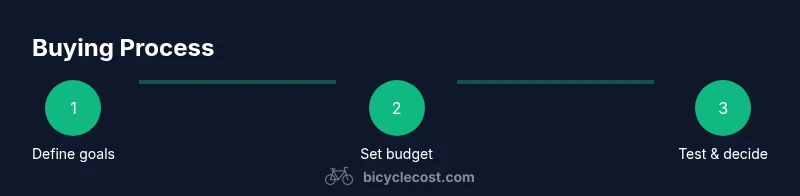
As BicycleCost notes, a well-defined buying plan reduces decision fatigue and helps you buy bike that stays comfortable for years.
Sizing and geometry: the basics you need to know
Sizing is not just frame height; geometry defines how the bike fits your body. Key concepts include reach, stack, stack-to-reach ratio, and standover height. A bike that is too large or too small causes knee pain, back strain, and poor control. When you measure yourself, use a stand or wall to mimic a riding position and compare to frame size charts. If you’re between sizes, most riders prefer the smaller size with a longer stem for better handling. A proper fit improves efficiency and reduces fatigue, which is crucial when you buy bike for regular use.
Bear in mind that manufacturers’ size charts vary. Always test ride to confirm reach and cockpit comfort. Implement final adjustments with a professional fitting if possible. A small adjustment to seat height, saddle type, and handlebar shape can yield big gains in comfort and control.
Budgeting and price ranges for different riders
Budgeting is a critical step in the buying process. For a first-time rider or casual commuter, entry-level bikes typically fall in a modest price range, offering reliable components and a comfortable ride. Mid-range bikes provide better gearing options, lighter frames, and improved reliability for longer rides. Higher-end models deliver advanced groupsets, carbon options, and premium components for serious cyclists. If you’re considering an electric bike, expect higher prices but also expanded assist options that can justify the investment for some riders.
Prices vary by region, retailer, and sales cycles. A practical approach is to establish a total budget range (lower, mid, upper) and then compare models within each tier. Always account for essential add-ons—helmet, lock, lights, and a tune-up plan—when budgeting. BicycleCost analysis suggests planning for at least a modest reserve for accessories and ongoing maintenance to maximize longevity of your purchase.
Bike styles explained: road, mountain, hybrid, and more
Bikes come in distinct styles with different purposes. Road bikes emphasize speed and efficiency on paved surfaces with lightweight frames and skinny tires. Mountain bikes prioritize rugged terrain and traction, with wider tires and robust suspension. Hybrids blend comfort and versatility for mixed use, including commuting and casual rides. Commuter bikes focus on practicality, often featuring racks and fenders. For city dwellers, an electric assist bike can extend range and reduce effort, though it comes at a higher initial cost. When you buy bike, align the style with the primary terrain and riding goals you identified earlier. This alignment reduces disappointment and helps you select the right features from day one.
Consider future needs too: a bike that scales with your skills, such as add-on shifters or racks, might be worth a small premium upfront. Checking a few local test rides can reveal which style feels most natural for your body and riding habits. This step saves time and helps you avoid mismatched components later on.
How to test ride effectively and what to look for
Test rides are your best chance to evaluate fit, braking, shifting, and overall comfort. Allocate ample time, ideally 20–30 minutes per bike, and test on varied surfaces if possible. Pay attention to reach and saddle comfort, knee clearance, and handlebar position. Check the brakes for immediacy and modulation, listen for odd noises, and ensure gears shift smoothly through the entire range. Bring a friend or staff member to observe posture and bike handling.
Before you buy bike, verify that the bike is properly set up for you; request a quick tune-up or a basic fit check if needed. If you ride with accessories like panniers or a child seat, ensure the frame tolerates them. Don’t rush the ride; the goal is to notice discomfort or control issues that could worsen with longer trips. A patient, thorough test ride dramatically increases your odds of long-term satisfaction.
Shopping channels, warranties, and after-purchase care
You can buy bike from local bike shops, major sporting retailers, or reputable online shops. Local shops often provide expert fitting, assembly, and post-purchase service, which can be invaluable for first-time buyers. Online retailers may offer broader selection and competitive pricing, but you’ll want to verify assembly requirements and return policies before buying. Regardless of where you buy, confirm warranty coverage, availability of spare parts, and accessibility of service centers.
Ask about tune-ups, flat protection, and return windows. A decent warranty and service plan can save money and time in the long run. If you purchase through a shop, request an initial free tune-up window or a limited-system check after a few weeks of riding. These steps protect your investment and help you maintain peak performance over the bike’s lifetime.
Getting started: safety gear and basic maintenance
A safe ride starts with proper protective gear. Invest in a certified helmet that fits well and replaces it as recommended by the manufacturer. Front and rear lights, a high-visibility vest or reflective clothing, and a sturdy lock are essential for urban riding. Regular maintenance reduces the risk of breakdowns; keep a basic toolkit, chain lube, and cleaning supplies on hand. Learn a few simple upkeep tasks, such as lubing the chain, adjusting brakes, and checking tire pressure, so you can keep your bike in good condition between professional tune-ups. Solicit guidance from reliable sources and consider a basic safety course.
For additional safety guidance, see authoritative resources such as NHTSA bicycle safety guidelines and other trusted safety publications. These resources complement practical advice from BicycleCost and help you stay compliant with local laws and best practices.
Final note on starting your bike journey
Buying a bike is not just a financial decision; it’s a lifestyle adjustment. Take your time to compare options, seek professional fittings when possible, and factor ongoing maintenance into your plan. With the right approach, your new bike will become a reliable partner for commuting, recreation, and fitness. Remember to balance cost against fit and anticipated use to maximize value over time.
Tools & Materials
- Measuring tape(For inseam and reach estimations to estimate frame size accurately)
- Allen wrenches (metric set)(Essential for basic assembly and adjustments)
- Bike stand or stable surface(Helpful for setup and basic maintenance)
- Helmet and safety gear(Helmet must meet safety standards and fit properly)
- Lock(Quality lock rated for your environment)
- Lights (front and rear)(Required for urban riding and low-light conditions)
- Tool kit for on-the-go maintenance(Portable kit with tire levers, patch kit, and multitool)
Steps
Estimated time: 2-6 hours
- 1
Define riding goals
Clarify how you’ll use the bike (commute, exercise, weekend rides). This shapes bike type, gearing, and features to prioritize. A clear goal prevents overbuying and helps you stay within budget.
Tip: Write down your top three riding activities and any must-have features. - 2
Set a realistic budget
Determine a total budget range that includes essential accessories and a basic tune-up plan. Distinguish between entry-level, mid-range, and higher-end options to streamline comparisons.
Tip: Aim for a budget that leaves room for essential gear (helmet, lights, lock) and future maintenance. - 3
Measure size and assess geometry
Use your inseam to gauge frame size and consider reach/stack with a mirror test or silhouette. Ensure standover height allows heel clearance and comfortable knee bend at pedal stop.
Tip: If between sizes, test ride both to feel which posture is more natural. - 4
Choose a bike type
Match your riding goals to a style: road for speed, mountain for rough terrain, hybrid for everyday use, or e-bike for extended range. Check compatibility with accessories you plan to add.
Tip: Consider future needs, such as racks or fenders, when selecting a frame. - 5
Find retailers and compare options
Identify local shops and reputable online retailers with good return policies and service options. Compare warranty terms, delivery conditions, and after-purchase support.
Tip: Visit stores to test fit and feel before buying online. - 6
Test ride and evaluate
Ride each model for at least 15–20 minutes on varied surfaces. Check comfort, shifting, braking, and overall handling. Note any discomfort or awkward reach.
Tip: Ask staff to adjust saddle height and stem during the test ride. - 7
Review specs and warranties
Compare gear ranges, component quality, weight, and maintenance requirements. Confirm warranty details and what’s covered (frame, drivetrain, bearings).
Tip: Prefer a model with readily available spare parts and local service. - 8
Finalize purchase and arrange setup
Choose your bike, arrange delivery or in-store pickup, and schedule a bike fit if available. Ensure proper assembly and basic setup before riding.
Tip: Ask for a post-purchase tune-up window and basic setup check. - 9
Initial safety and maintenance setup
Install essential safety gear, inflate tires to recommended pressure, and perform a quick safety check (brakes, gears, tires). Plan your first routine maintenance schedule.
Tip: Keep a simple maintenance log and follow a basic care plan.
People Also Ask
Do I need to buy a new bike or can I buy a used one?
Both options can work, but a new bike offers a predictable fit and full warranty. If buying used, inspect the frame, components, and tires; request maintenance history and test ride. A trusted shop or mechanic can help assess value and safety.
You can buy used if you inspect the frame and components carefully and test ride. For most beginners, a new bike from a reputable shop is safer and easier to service.
What size bike should I buy?
Size depends on rider height, inseam, and reach. Use manufacturer size charts as a guide, then verify with a test ride. A bike that fits well reduces knee and back strain and improves control.
Sizing is about fit, not just frame height. Always test ride and adjust as needed.
How much should I expect to spend on a beginner bike?
Beginner bikes typically span a wide range depending on type and components. Plan for a budget that covers essential accessories and a tune-up; realistic entry points are often in the mid-range of your target style.
Expect to spend more for better components, but you can start with a reliable entry model and upgrade parts later.
Is online buying safe for bikes?
Online purchases can be safe with reputable retailers and clear return policies. Check setup responsibilities, shipping costs, and after-sales support. If unsure, buy locally to access professional fitting and assembly.
Online buying is convenient, but ensure you understand delivery and return terms before purchasing.
What should I test during a test ride?
Test ride for comfort, reach, braking response, gear transitions, and overall handling. Listen for unusual noises and ensure you can stand over the frame comfortably.
Test ride to feel the bike’s balance and comfort over a few blocks and some hills.
How do I know if a bike fits me after purchase?
If discomfort persists after adjustments, revisit sizing, cockpit setup, or consider a professional fitting. Persistent issues can indicate a poor size choice or misadjusted components.
If it doesn’t feel right after adjustments, seek a professional fit or a different size.
Watch Video
Quick Summary
- Define goals before shopping
- Prioritize fit and comfort
- Test ride multiple models
- Check warranty and service options
- Budget for accessories and maintenance