What Used Bike to Buy: A Practical Guide
Learn how to choose a used bike that fits your size and budget with a step-by-step inspection, test rides, price bands, and trusted buying channels for smarter 2026 purchases.


With this guide, you will learn how to pick a safe, well-fitting used bike that matches your riding goals and budget. You’ll follow a 12-point inspection, test-ride tips, price bands, and trusted buying channels to avoid scams. By the end, you’ll confidently identify good value and avoid costly mistakes. This quick-start approach helps you decide quickly online or in person.
Understanding Why You Want a Used Bike
Buying a used bike can be a smart way to get reliable transportation or recreation gear at a fraction of new-bike prices. Before you scout listings, define your riding goals, typical terrain, and budget. Do you commute 5 miles daily, or ride gravel on weekends? Are you aiming for lightweight efficiency, or rugged versatility? At BicycleCost, we’ve seen that clarity here prevents buyers from chasing the wrong models. Considering your local markets in 2026, you can often find well-loved bikes with substantial life left if you check frame integrity, drivetrain wear, and brakes carefully. This groundwork helps you set realistic expectations, decide on a road, mountain, or hybrid platform, and choose the right gear ratio and wheel size for your height and inseam.
How to Determine Your Ideal Bike Size and Fit
Size and fit matter more than model name when you buy used. Start by measuring your inseam and comparing it to the frame size chart provided by manufacturers and reputable bike shops. A properly fitting bike should allow you to stand over the top tube with a comfortable clearance, reach the handlebars without overextending, and have saddle height that lets your knee bend slightly at the bottom of the pedal stroke. If you’re between sizes, favor the smaller frame and compensate with a longer stem or seat height adjustment. Take a quick test mount, pedal backwards to feel the pedal strike, and ensure you can comfortably shift through gears without kinking your wrists or hunching your shoulders. Remember, minor adjustments can make a big difference in comfort and control.
Where to Look for Used Bikes
Your best bets are a mix of local and online sources. Start with local bike shops that offer consignment or trade-ins, then widen to community bike co-ops, university bike programs, and trusted online marketplaces. Compare several listings to gauge typical prices for your target type and size. If you’re shopping online, ask the seller for detailed photos, a maintenance history, and a recent service receipt. Attending a local swap or meetup can uncover bikes you can inspect in person. Always verify ownership and transfer process to avoid scams, and be prepared to walk away if a deal looks rushed or uncertain.
12-Point Inspection Checklist
- Frame and fork: look for cracks, dents, or signs of bending from impacts; a crooked wheel or misaligned brake mounts can hint at hidden frame damage.
- Wheels and tires: check for true wheels, worn rims, and adequate tread; spin the wheels to listen for wobbles or rubbing.
- Brakes: inspect both discs and rims for wear; test braking power in a safe area and ensure quick lever response.
- Drivetrain: assess chain wear, cassette or chainrings for wear, and smooth shifting; replace worn components or plan a budget accordingly.
- Bottom bracket and headset: rock the crank and stem for play; listen for creaks or grinding indicating worn bearings.
- Sediment and corrosion: look at bolts, bottom bracket, and headset for rust.
- Suspension (if present): check for leaks, sag, and smooth movement.
- Pedals: verify pedal performance and look for damaged axles.
- Cables and housing: inspect for rust, fraying, or stiff movement.
- Frame alignment: inspect for bends or misalignment by eye and with a straight edge if available.
- Maintenance history: request records showing recent servicing and parts replaced; a well-documented bike is a safer bet.
- Test ride results: ensure the bike feels stable, shifts cleanly, and stops promptly.
Test Ride and Evaluation Metrics
A test ride is essential to evaluate real-world performance. Ride on varied surfaces and simulate typical routes you expect to use. Listen for creaks, knocking, or unusual noises from the drivetrain or headset. Check for even braking response and consistent shift quality across gears. Pay attention to frame flex, steering stability, and comfort in your usual position. If possible, bring a small hill to test climbing and braking on descents. Take notes about fit, weight, and ergonomics to compare with other bikes you’re considering. A bike that rides smoothly and feels natural to you is worth the extra time in the shop or with the seller.
Red Flags and How to Avoid Scams
Watch for frame repairs that look suspicious, mismatched serial numbers, or parts from different bike models. Be wary of sellers who press for a quick sale or refuse test rides. If the price seems too good to be true, expect hidden issues. Always request a service history and receipts; a bike without maintenance records should raise caution. Prefer sellers who offer a return window or a brief test ride. For online purchases, use buyer protection and request verifiable photos of the frame, brakes, and chain. If something feels dubious, walk away and continue your search.
Valuing a Used Bike: Price Bands and Negotiation Tips
Prices for used bikes vary by type, condition, and location. Common bands you’ll encounter include entry-level models with limited wear, mid-range bikes with recent servicing, and premium options with upgraded components. Based on BicycleCost Analysis, 2026, you’ll typically see cheaper frames in commuter setups and higher prices for road and MTB bikes with good drivetrain wear. Always compare listings for similar bikes in your area and factor in upcoming maintenance costs. Start with a fair offer and be ready to justify it with your inspection notes. Don’t be afraid to walk away if the seller won’t accommodate a reasonable test ride or offer a clear maintenance history.
Getting a Professional Fit or Opinion
If you’re unsure about sizing or component wear, seek a professional opinion from a local bike shop or certified mechanic. They can measure you properly, verify frame integrity, and assess drivetrain wear with specialized tools. A quick paid inspection can save you from buying a bike that requires substantial upfront work. Even a half-hour consultation can provide a lot of value by confirming what you can realistically expect to spend on setup and repairs. BicycleCost recommends leveraging local expertise to validate your assessment, especially when you’re near a decision threshold.
Transfer of Ownership and Paperwork
When you purchase a used bike, ensure you obtain a clean transfer of ownership, a receipt listing parts replaced, and any warranties offered by the seller. If the bike has a serial number, record it and verify it matches the frame. Some shops can assist with transfer, and some platforms offer buyer protection in case of misrepresentation. Keep digital copies of receipts and service records for future resale or safety checks. Finally, update or add owner details to your insurance if applicable, especially for high-value bikes.
Maintenance Considerations After Purchase
Plan a quick post-purchase service to replace worn parts like chains, cassettes, and brake pads if needed. Clean and lubricate the chain, inspect cables, and adjust gears and brakes for reliable performance. Check tire condition and inflate to the recommended pressure. If you’ve bought a frame with worn bearings, budget for service or replacement. Regular maintenance prolongs the bike’s life and improves safety, comfort, and efficiency on every ride.
Safety and Accessories Considerations
Equip essential safety gear: a properly fitted helmet, front and rear lights, a reflective vest, and a bell or horn. Ensure the bike has working brakes, reliable tires, and secure quick-release skewers. Consider upgrading grips for thumb comfort and installing a basic bike lock for theft protection. If you plan night rides, add bright accessories and reflectors. Keep a repair kit, spare tube, and pump accessible. Safety isn’t optional, and a well-equipped bike is easier to enjoy and maintain.
Quick-Start Buying Checklist
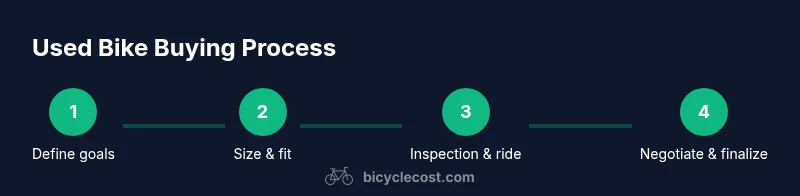
- Define riding goals and budget before you search
- Check size and fit using inseam and frame charts
- Inspect drivetrain, brakes, and frame for signs of wear
- Arrange a test ride and request service history
- Compare multiple listings and negotiate respectfully
- Ask about ownership transfer and return policies
- Plan for maintenance costs and future upgrades
Tools & Materials
- Allen wrench set (6-8-10mm)(Essential for adjusting components during inspection)
- Chain wear tool (chain ruler)(Check chain stretch and drivetrain wear)
- Bike repair stand(Helpful for close, hands-free inspection)
- Flashlight(Inspect under bottom bracket and frame tubes)
- Tire pressure gauge(Verify tires hold proper pressure)
- Torque wrench or adjustable torque driver(Nice-to-have for accurate bolt tightening)
- Notebook and pen(Document inspection findings and price notes)
- Pedal wrench(Removable pedals aid frame checks)
- Rags or shop towel(Keep hands clean and wipe grime)
Steps
Estimated time: 60-90 minutes
- 1
Identify riding goals and budget
Begin by clarifying how you’ll use the bike (commuting, recreation, or mixed use) and set a realistic budget that includes future maintenance. This framing determines bike type and features to prioritize. Write down must-haves to avoid impulse purchases.
Tip: Be explicit about tolerance for future repairs to guide your price ceiling. - 2
Measure inseam and determine size range
Measure your inseam and reference frame size charts from reputable sources. Ensure comfortable standover clearance and reach during a test mount. If between sizes, lean toward the smaller frame for better handling.
Tip: A quick test mount in a parking lot can reveal obvious size issues before you bench a lot of money. - 3
Search sources and shortlist bikes
Browse local shops, community programs, and reputable online listings. Compare several options side-by-side and request detailed photos and service histories. Shortlist at least 3 contenders to build a fair comparison.
Tip: Ask for recent maintenance receipts and ensure serial numbers are legible. - 4
Ask for detailed photos and history
Request close-ups of frame joints, wheels, brakes, drivetrain, and any aftermarket parts. A well-documented bike is easier to value and maintain. Verify ownership transfer steps with the seller.
Tip: Photos should include serial number plate and both brake levers in full view. - 5
Perform the 12-point inspection
Use the checklist to evaluate frame integrity, wheels, brakes, drivetrain, and bearings. Document every finding with notes and, if possible, photos. Prioritize bikes with fewer red flags.
Tip: Take your time and don’t rush the inspection; issues often show up on close inspection. - 6
Evaluate drivetrain wear and compatibility
Check chain wear using a chain tool, inspect cassette and chainrings, and ensure smooth shifting across gears. Budget for potential replacements if wear is high.
Tip: A worn chain can dramatically increase future maintenance costs. - 7
Assess frame integrity and fit
Look for hairline cracks, dents, or signs of impact. Spin wheels to check true and listen for abnormal noises. Confirm the frame size feels right for your body.
Tip: If you see cracks, walk away—frame damage rarely improves with time. - 8
Take a thorough test ride
Ride on varied surfaces, climb if possible, and simulate your typical routes. Note braking effectiveness, gear changes, and overall ride comfort. Visualize daily use and potential upgrades.
Tip: Bring a friend or mechanic for a second opinion on the ride feel. - 9
Negotiate with inspection data
Use your notes to justify a fair offer. Point out wear, upcoming maintenance, and any required parts. Be prepared to walk away if the price doesn’t reflect condition.
Tip: Start with a reasonable offer, then meet midway if the seller is flexible. - 10
Confirm ownership transfer and return policy
Ensure proper transfer documents and verify any warranties or return windows. Save receipts and service records for future resale or safety checks.
Tip: A documented transfer reduces the risk of post-sale disputes. - 11
Arrange pickup and transport
Coordinate safe transport, especially for larger frames. Bring tools to disassemble or adjust for transport if needed. Schedule a quick follow-up service after transport if required.
Tip: If shipping, use insured carriers with tracking. - 12
Plan post-purchase maintenance
Schedule a post-purchase tune-up to address wear, replace components, and fine-tune brakes and gears. Keep service records for future resale or insurance.
Tip: Even a basic tune-up adds years of life and reliability.
People Also Ask
What should I look for first when buying a used bike?
Start with frame integrity, drivetrain wear, and brake function. These indicators predict reliability and cost of future repairs. Always perform a test ride if possible.
Start with the frame, drivetrain, and brakes. Then take a test ride to confirm it feels right.
How do I determine if the price is fair?
Compare similar bikes in your area, consider necessary upcoming maintenance, and use your inspection notes to justify a fair offer. Be prepared to walk away if the deal isn’t reasonable.
Compare similar listings and factor in maintenance costs before offering.
Is it better to buy from a shop or a private seller?
Shops often provide some warranty or service history, while private sellers may offer lower prices. Weigh the trade-offs and choose the option that offers clearer ownership transfer and recourse if problems arise.
Shops can offer warranties; private sellers may be cheaper but riskier.
What if the bike doesn’t pass a test ride?
If performance is poor during a test ride, reassess based on the maintenance costs needed. It’s often smarter to keep searching rather than fix a bike with major issues.
If it fails the ride, move on to another option.
What paperwork should I collect?
Ask for a transfer of ownership, any service history, receipts for parts, and any warranties. Digital copies help protect you in the future.
Get transfer documents, receipts, and service history.
Watch Video
Quick Summary
- Define riding goals and budget before you search
- Size and fit drive comfortable riding and safety
- Do a thorough, documented inspection before buying
- Ask for maintenance history and test ride thoroughly
- Negotiate with data and walk away if needed