Why Is My Bike Not Accelerating Properly? A Troubleshooting Guide
A practical, urgent guide to diagnose and fix slow acceleration in bikes. From tires to drivetrain to rider technique, BicycleCost helps you ride smarter.


The quickest path to answers is to start with simple checks: verify tire pressure, inspect the chain and drivetrain, and confirm your gear selection and cadence. If acceleration remains sluggish, rule out brakes rubbing and rider technique, then proceed through the diagnostic flow for deeper tests.
Why acceleration issues happen
In cycling, acceleration depends on a balance of drivetrain efficiency, rolling resistance, rider input, and mechanical condition. When you ask, “why is my bike not accelerating properly,” you’re typically looking at a mix of factors that reduce power transfer or increase effort. The BicycleCost team has found that most sluggish starts come from a few repeatable culprits: underinflated tires, a stretched or dirty chain, misadjusted gears, or brakes that rub and drag. These issues aren’t glamorous, but they’re solvable with a logical checkdown and a little maintenance. The goal is to restore clean power transfer from your legs to the wheels while keeping you safe and confident on every ride.
If you’re reading this, you probably need a practical plan you can implement this weekend. The approach here emphasizes quick wins first, followed by targeted checks that address the most common failures. Remember that small adjustments can produce big gains in acceleration and efficiency. As you work, keep a log of what you check and the results so you can spot patterns over time and avoid repeating the same steps.
According to BicycleCost, documenting symptoms as you test will help you diagnose more accurately and save time at the shop if you need professional help later.
Quick checks you can do at home
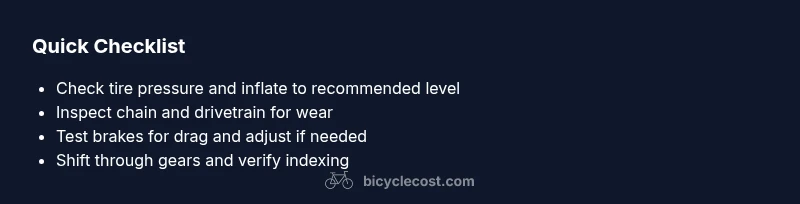
Begin with fast, low-risk steps to rule out obvious causes. First, check tire pressure with a gauge and inflate to the vehicle manufacturer’s recommended range. Underinflated tires increase rolling resistance and sap acceleration. Next, inspect the drivetrain: look for a stretched chain, worn sprockets, or a dirty chain that skips or binds when you pedal. Clean the chain and apply a light, appropriate lubricant, then test your acceleration in a safe environment.
Then test your gearing. Shift smoothly through the gears and listen for any abnormal rubbing or hesitations. If the derailleur alignment seems off, or if indexing is sloppy, that can blunt your response when you accelerate. Finally, assess rider position and cadence. A poor position, high cadence with insufficient power, or a heavy pedal stroke can all feel like your bike isn’t accelerating properly even if the mechanical condition is good. Small adjustments here can yield noticeable improvements.
Common drivetrain culprits
Power transfer begins at the drivetrain. A worn chain, cassette, or chainring can cause sluggish acceleration because the teeth no longer mesh cleanly with the chain. A dirty chain or dried mud on pulleys adds friction and slows movement. If you notice skipping under load or a stubborn resistance when you pedal, inspect these components first. Replacing worn parts and keeping the drivetrain clean are among the most cost-effective fixes. Remember to check for chain wear with a simple checker tool and replace the chain before the entire drivetrain wears out.
Another frequent cause is poor lubrication. A drivetrain that’s over-lubricated or under-lubricated will behave differently under load. Clean and re-lubricate to restore smooth power transfer. If the derailleur cage is misaligned or the limits are off, your shifts may not line up with your pedal input, reducing acceleration.
Tire pressure, gears, and rider technique
Tire pressure is a silent hero in acceleration. Even a small drop in PSI raises rolling resistance and slows you down, especially on rough roads or with heavier loads. Gearing can also confuse your sense of speed if you’re in the wrong gear for your cadence. Try keeping your cadence steady while testing accelerations in different gears to find the most efficient range for your riding style. Rider technique matters too: a smooth, powerful pedal stroke beats choppy, inconsistent effort and translates into faster, cleaner acceleration. If you’re using clipped-in pedals, ensure your clips are secure and the shoes fit properly to maximize power transfer.
If you’ve checked the basics and still experience sluggish starts, consider the possibility of brake drag. Rub between pad and rotor or rim brake can create constant friction, draining momentum. A quick brake test—done safely with the bike supported—can reveal rotor or pad rubbing. If dragging continues, adjust or service the brakes. Slow acceleration can also be caused by accessories or cargo adding unexpected weight; remove gear to test if your acceleration improves.
For most riders, the biggest gains come from tire pressure, drivetrain cleanliness, and clean shifting. The goal is a crisp, predictable response when you pedal, with no unusual noises or binds.
How to test acceleration safely
Create a controlled environment to test acceleration: a quiet, flat section with no traffic and a clear run-out. Begin by coasting for a few seconds to establish a baseline, then pedal with a steady cadence and record how quickly you reach a certain speed. Repeat in two or three gears and compare results. If acceleration is inconsistent, you may have a drivetrain issue or brake drag. If the bike accelerates smoothly in some gears but not others, your gear indexing or cable tension may need adjustment. Always perform tests at low speeds first, wearing a helmet and gloves, and never test on hills with unknown traffic conditions.
When testing, pay attention to any changes in feel: grinding, rubbing, or slipping is a clue that something needs realignment or replacement. If you feel pain or discomfort or notice an unusual smell, stop and inspect the bike before continuing. A safe, structured test will help pinpoint the issue without risking your safety.
When to seek professional help
If basic checks don’t restore acceleration, or if you suspect worn drivetrains, damaged cables, or misaligned brakes, it’s time to seek professional help. A qualified mechanic can accurately diagnose drivetrain wear, derailleur alignment, or brake drag and perform precise adjustments that require specialized tools. Don’t wait too long—riding with worn components can lead to further damage or safety risks. If your bike is an e-bike or includes an electric motor, professional inspection becomes even more important due to high voltage systems and legal requirements.
Remember: a shop visit is not a failure; it’s a smart investment in safety and efficiency. Bring your notes from the diagnostic flow and the steps you’ve already taken; this will save time and help the mechanic reproduce the issue. The BicycleCost team encourages proactive maintenance to prevent future acceleration problems.
Prevention: maintenance habits to keep acceleration crisp
Preventing acceleration problems starts with a routine maintenance schedule. Clean and lubricate the chain regularly, inspect the cassette and chainrings for wear, and replace worn parts promptly. Keep tires inflated to the recommended level and check brakes for drag during every ride. Regularly check derailleur alignment and cable tension, especially after big rides or crashes. Store your bike in a clean, dry place and wipe down components to prevent corrosion. A small, consistent maintenance habit pays dividends in responsiveness and safety on every ride.
Documenting issues for your shop
Before visiting a shop, write down a concise description of the issue and the steps you’ve taken. Note when acceleration problem occurs (on hills, in a specific gear, after a ride, or after rain), any noises, and things you checked (tire pressure, chain condition, brakes). A thorough history helps the technician reproduce the issue quickly. Bring photos of worn parts if possible and any logs from the diagnostic flow you performed. This documentation speeds up the repair and ensures youreceive the right parts and service the first time.
Steps
Estimated time: 45-60 minutes
- 1
Check tire pressure and tire condition
Use a reliable gauge to confirm tires are within the recommended PSI range. Inspect the sidewalls for cuts or bulges and replace tires if worn. Test ride to see if inflating improves acceleration.
Tip: Always carry a portable pump and gauge on rides for quick checks. - 2
Inspect and service the drivetrain
Shift through every gear while the bike is stationary to look for misalignment. Clean the chain with a degreaser, rinse, dry, and apply a light lubricant to the correct areas. Check for chain wear with a chain checker tool.
Tip: A clean, lightly lubricated chain makes a big difference in response. - 3
Check brakes for drag
Spin the wheels and observe any rubbing. Adjust calipers or rotors as needed. Ensure brake pads aren’t contacting the rim or rotor when not engaged.
Tip: Only adjust brakes when the handlebars are stabilizing the bike; avoid making adjustments while riding. - 4
Test gear indexing and derailleur alignment
Shift through all gears and listen for skipping or hesitation. If misalignment is suspected, adjust barrel adjusters or seek professional help for precise alignment.
Tip: Make small adjustments and test each change incrementally. - 5
Evaluate rider technique and cadence
Maintain a smooth, steady pedal stroke and a consistent cadence. Compare acceleration with different gears to identify the most efficient range.
Tip: Avoid excessive force; focus on consistent power delivery rather than brute force. - 6
Document results and plan next steps
Record what changes improved acceleration and what didn’t. If issues persist, prepare notes for a shop visit and decide on whether parts or services are needed.
Tip: A clear log saves time and helps the technician diagnose faster.
Diagnosis: Bike feels slow to accelerate or hesitates when pedaling hard.
Possible Causes
- highUnderinflated tires increasing rolling resistance
- highWorn or stretched chain and worn drivetrain components
- mediumDirty drivetrain or insufficient lubrication
- lowBrake drag causing energy loss
Fixes
- easyCheck tire pressure and inflate to the recommended range
- mediumInspect chain, cassette, and chainring; replace worn parts as needed
- easyClean and lightly lube the chain and drivetrain
- easyAdjust brakes to remove rubbing or drag
- mediumVerify derailleur alignment and indexing; adjust if needed
People Also Ask
What is the first thing I should check if my bike won't accelerate?
Start with tire pressure, then inspect the chain and drivetrain for wear or dirt. Clean and lubricate as needed before testing gear shifts.
First, check tire pressure and the drivetrain for wear or dirt, then clean and lubricate before testing shifts.
Can a slipping chain cause slow acceleration?
Yes. A worn or stretched chain and worn gears reduce power transfer and slow acceleration. Replace worn parts and re-lubricate to restore performance.
Yes, a worn chain and gears can slow acceleration. Replace worn parts and lubricate.
What if brakes are rubbing and affecting speed?
Brake rub adds drag and slows acceleration. Adjust calipers or rotors to stop rubbing when not braking.
Brake rubbing causes drag and slows you down. Adjust the brakes to stop rubbing when you ride.
Is underinflated tire the only cause of slow acceleration?
No. While tire pressure is a major factor, drivetrain wear, misadjusted gears, and brake drag can all contribute. Perform a full diagnostic flow.
No—tires are a big factor, but worn drivetrain, misadjusted gears, or brake drag can also cause slow acceleration.
Should I seek professional help for every issue?
If basic checks don’t fix the issue or you suspect worn parts or brake problems, a professional mechanic is recommended. They can diagnose and replace parts safely and accurately.
If basic checks fail or you suspect worn parts, see a professional mechanic for a precise diagnosis and safe repairs.
Do electric bikes have different acceleration issues?
E-bikes may show different acceleration symptoms due to motor assistance systems. If you suspect motor issues, seek a technician familiar with electric drivetrains.
E-bikes can have motor-specific issues; consult a tech experienced with electric drivetrains.
Watch Video
Quick Summary
- Inspect tires and drivetrain first for quick wins
- Worn drivetrain parts reduce power transfer
- Brake drag can masquerade as acceleration issues
- Regular maintenance prevents future problems
- Document tests to aid shop diagnostics