When to Replace Bicycle Brake Pads: A Practical How-To Guide
Learn practical, safety-focused guidance on when to replace bicycle brake pads, how to inspect wear, select replacements, and perform a secure install with step-by-step instructions and expert tips.


Replace bicycle brake pads when wear indicators show, or when the pad material is visibly worn, cracked, glazed, or contaminated; braking performance declines or feels spongy; or there is unusual noise. Regular visual checks and performance tests help you decide quickly. If in doubt, err on the side of replacement to maintain safety.
Why Brake Pads Wear and When to Replace
Brake pads are the wear item that directly affects stopping power. Over time, the pad material is ground away by the brake surface and will thin until it can no longer maintain effective friction. Wear indicators on many pads provide a quick signal when replacement is due; for others you rely on visual thickness and performance cues. According to BicycleCost, regular brake pad inspection is essential for safe riding. In practice, riders should incorporate pad checks into routine bike maintenance, especially if you ride in wet, dirty, or hilly conditions. If you ride aggressively or frequently descend steep grades, you will likely require more frequent inspections. The goal is to replace pads before they completely fail to stop you reliably or cause rotor or rim damage. Maintaining good pad health also protects your rotors, calipers, and wheels from scoring and heat damage. This proactive approach aligns with the BicycleCost philosophy of practical, data-informed maintenance for riders of all levels.
Visual and Functional Signs of Worn Pads
Pad thickness is the most obvious cue—most pads start with a visible wear line or a minimum remaining thickness. If you can see the backing plate, it’s time to replace. Glazed surfaces reflect light differently and reduce friction, leading to longer stopping distances. Contamination by oil or grit can ruin friction and warrants replacement. Squealing or scraping noises often indicate glazing or worn pads. Uneven wear between left and right pads suggests caliper misalignment or rotor issues. In hydraulic systems, you may feel a soft or spongy lever and noticeably reduced braking power. Regularly evaluating these signs helps riders avoid last-minute failures and preserves rotor life. Remember: early replacement is safer and often cheaper than abrupt braking failures on a descent.
Rim vs Disc: How Replacement Differs
Rim brakes rely on pads pressing against the wheel rim; disc brakes press pads against a rotor mounted to the hub. With rim brakes, inspect both the pad and the rim for wear or damage; a cracked rim is a serious safety hazard. Disc brakes require attention to both pad wear and rotor condition. Pad materials differ—some are designed for dry weather, others for wet conditions—and the choice affects brake feel and heat management. Hydraulic disc brakes provide strong stopping power with consistent feel but may require bleed or pad replacement intervals that differ from mechanical systems. Always verify compatibility with your brake type and model before purchasing pads. This nuance matters for riders who mix road and mountain bikes or switch between brake systems.
Practical Guidelines: When to Replace (No Exact Thickness)
Use wear indicators as your primary signal. If the indicator is flush with the pad or the pad’s surface is deeply worn, replace. Look for cracks, glazing, or visible embedded debris that cannot be cleaned away. If braking performance declines—longer stopping distances, lever feel changes, or you must pull the lever closer to the bar—consider replacement. For riders who ride aggressively, descend steep grades, or frequently ride in rain, more frequent checks are prudent. When replacing, consider upgrading to pads better suited to your riding conditions (dry, wet, or mixed surfaces). BicycleCost recommends balancing safety with cost by evaluating not just pad wear, but rotor and caliper health as part of a holistic brake service plan.
Inspect Pads Without Removing the Wheel
In many cases you can inspect pad thickness without fully disassembling. With frame and brake caliper exposed, look through the opening in the caliper to estimate pad thickness. If your bike uses a quick-release wheel, you may be able to remove the wheel quickly to examine the pad backing more clearly. For deeper inspection, you’ll need to remove the wheel and possibly the brake caliper. Always follow your brake manufacturer’s guidance for safe access and avoid forcing components. Keeping the brake system clean and dry facilitates accurate inspection and helps you spot wear early.
Cleaning, Contamination, and Glazing
Contamination is a common cause of poor braking performance. Oil, grease, or road grime on the pad surface can dramatically reduce friction. If you suspect contamination, replace the pads rather than trying to clean the pad surface, as cleaning may not remove all contaminants. Glazed pads have a shiny surface that resists friction; lightly roughening the surface is not a fix in most cases and replacement is typically recommended. Clean the rotor or disc surface with isopropyl alcohol and a lint-free rag, and check for scoring or grooves that indicate rotor wear. Regular cleanings cut down on noise and help pad life. The overarching principle: replace worn or contaminated pads to preserve braking reliability.
Choosing the Right Pad Material for Your Riding
Pad material matters for performance, wear, and noise. For dry road riding, sintered metals or semi-metallic formulations often offer strong bite and durability. For wet or mixed conditions, resin/organic compounds can provide quieter operation and better initial bite. Mountain biking and downhill riding may benefit from specialty compounds designed for high heat. Always check compatibility with your braking system (rim vs disc, mechanical vs hydraulic) and your typical riding environment. Based on BicycleCost analysis, selecting a pad that matches terrain, climate, and riding style reduces brake fade and prolongs rotor life.
Before You Replace: Check Rotors, Cables, and Hydraulics
Pads don’t work in isolation. Inspect the rotor for wear, warping, scoring, or oil contamination. If the rotor is deeply scored or warped, replacement or resurfacing may be needed. For cable or hydraulic systems, ensure the lines and cables are in good condition and that there’s no creeping play in the lever. A failing lever or sluggish response often masks pad wear. If you’re unsure, consult the rotor and caliper manufacturer guidelines or seek a qualified technician. A thorough pre-replacement check saves time and reduces the risk of installing incompatible parts.
Bedding In and Test Ride
After installation, bedding in is essential. Gently break and release several times to bring pads up to temperature, then perform a controlled test ride in a safe area. Start with light braking and gradually increase to moderate braking, avoiding hard stops for the first 10–15 cycles. This process helps pad material conform to the rotor or rim, improving friction and consistency. If you notice grabby or pulsing brakes, stop and re-check pad alignment and caliper position. Bedding in ensures maximum bite and longevity.
Common Pitfalls and Maintenance Habits
Common mistakes include mixing pad types, ignoring wear indicators, and neglecting rotor or caliper inspection. Don’t assume all pads fit your caliper; verify compatibility with the exact model and year. Maintain your braking system by cleaning components and replacing pads in pairs when possible to maintain consistent braking. Schedule regular brake inspections as part of your maintenance routine and avoid riding with compromised pads or rotors. A small investment in preventive maintenance saves significant risk down the road.
Tools & Materials
- Replacement brake pads (caliper-specific)(Check compatibility with your brake type (rim vs disc, hydraulic vs mechanical).)
- Allen wrench set (commonly 4mm, 5mm, 6mm)(Essential for removing caliper bolts and securing pads.)
- Lint-free rag(Used to wipe rotors and caliper contact surfaces; avoid fibers that shed.)
- Isopropyl alcohol or brake cleaner(Dislodge oil, grease, and contaminants from rotors and pads.)
- Small screwdriver or pick(Helpful for removing springs or pins on some pad designs.)
- Torque wrench (optional)(Use to torque caliper mounting bolts to spec if your model requires it.)
- Replacement rotor (optional, if rotor wear is evident)(Only if rotor shows deep scoring or excessive wear.)
Steps
Estimated time: 30-60 minutes
- 1
Identify brake type and confirm compatibility
Check whether you have rim brakes or disc brakes, and whether your system is hydraulic or mechanical. Confirm pad shape and backing plate geometry against your caliper’s model number or manufacturer specifications. This ensures you buy the correct replacement pads.
Tip: Take a quick photo of the pad and caliper label for reference when shopping for replacements. - 2
Remove wheel to access the brake pad area
Loosen quick-release or thru-axle, remove the wheel, and give the brake area a clear view. For rim brakes, ensure the caliper pivots freely; for discs, inspect the caliper mounting and ensure the rotor is clean before touching anything.
Tip: Work on a stable surface and avoid pinching cables or hoses between components. - 3
Remove old pads and inspect hardware
Take out the old pads from the caliper, noting their orientation. Inspect springs, pins, and clips for wear or damage and replace any compromised hardware. If there is oil or debris on the pad contact surface, clean the surrounding area before installing new pads.
Tip: Document pad orientation with a quick photo so you can reinstall correctly. - 4
Clean caliper and rotor surfaces
Wipe the contact surfaces with isopropyl alcohol and a lint-free cloth. Avoid touching the friction surface with bare fingers. Inspect the rotor for scoring or warping; replace the rotor if necessary to prevent uneven wear on new pads.
Tip: Never use solvent-based cleaners on a rubber seal—avoid contact with hoses and seals. - 5
Install new pads and align properly
Insert new pads in the correct orientation and reattach any springs or pins. Reinstall the wheel and ensure caliper alignment is centered over the rotor or rim. If your brakes require a specific pad-sensing alignment, follow the manufacturer’s instructions.
Tip: Slightly loosen mounting bolts to reposition the caliper as needed before final tightening. - 6
Bed-in and test ride
Gently apply braking in short bursts to bring pads up to operating temperature, then perform a controlled test ride in a safe area. Avoid hard stops for the first 10-15 stops to allow resin to seat properly. Check lever feel and braking power after the bedding process.
Tip: If brakes grab or rub after bedding, re-check pad alignment and rotor run-out.
People Also Ask
How often should I check brake pad wear?
Regular checks—at least every few rides if you ride aggressively, and weekly during long training periods—help catch wear early. Look for wear indicators, thinning pads, or changes in braking performance. A proactive approach reduces the risk of sudden brake failure.
Check brake pad wear regularly, especially during heavy riding or long trips. Look for wear indicators and changes in braking performance.
Can I ride with worn pads?
Riding with worn pads reduces stopping power and can damage rotors or rims. If you notice longer stopping distances or unusual lever travel, replace the pads as soon as possible to maintain safe braking.
Riding with worn pads is unsafe. Replace them promptly to preserve braking performance.
What if pads are contaminated with oil or water?
Contaminated pads generally cannot be cleaned to restore performance. Replace the pads and tidy the area to prevent future contamination. Clean rotors carefully before riding again.
If pads are contaminated, replace them and clean the rotor area before riding again.
Are all brake pads compatible with my system?
Pad compatibility depends on brake type (rim vs disc, hydraulic vs mechanical). Always verify model-specific compatibility with the caliper and rotor or rim before purchasing pads.
Pad compatibility depends on your brake type; check your caliper model before buying pads.
What is bedding-in and why is it important?
Bedding-in gradually transfers pad material to the rotor, creating a uniform friction surface and maximizing stopping performance. Skipping bedding-in can lead to inconsistent braking and noise.
Bedding-in helps pads seat properly for reliable braking.
Should I replace pads on both wheels at once?
If one pad is worn, inspect the other as well. Replacing both at once is often wise for balanced braking, especially on road bikes or frequent downhill riders. Always ensure caliper alignment after installation.
If one pad is worn, check the other; replacing both can ensure balanced braking.
Watch Video
Quick Summary
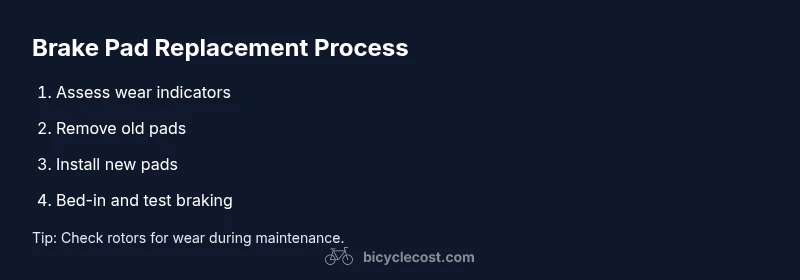
- Inspect pads regularly and replace when wear indicators appear.
- Choose pad material suited to riding conditions for reliability.
- Check rotors and calipers during pad replacements to avoid future issues.
- Bed-in new pads properly and test ride before returning to full speed.