How to Bicycle Brakes: A Practical Step-by-Step Guide
Learn how to inspect, adjust, and maintain bicycle brakes for reliable stopping. This detailed how-to covers rim and disc systems, mechanical and hydraulic setups, safety checks, and a maintenance routine to keep you riding with confidence. BicycleCost provides guidance to help cyclists ride smarter.


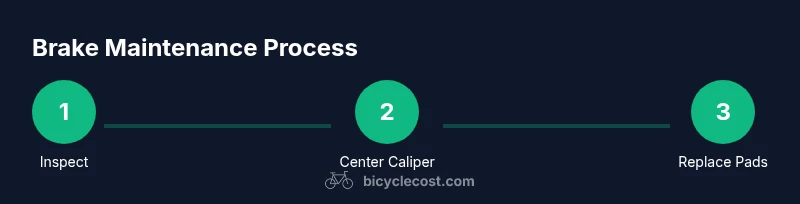
You will learn to inspect, adjust, and maintain bicycle brakes for reliable stopping. Start by identifying brake type (rim or disc; mechanical or hydraulic), then check pad wear, caliper alignment, and cable or hose tension. Replace worn pads, center calipers, and perform a careful test ride to confirm safe braking performance.
Understanding Brake Systems
Braking performance hinges on the type of brakes your bike uses. There are rim brakes, which squeeze pads against the wheel rim, and disc brakes, which clamp pads onto a rotor mounted near the hub. Within those categories you’ll find mechanical systems (cable-driven) and hydraulic ones (fluid-filled lines). Each combination has different maintenance needs: rim brakes tend to be simpler and cheaper to service, while discs—especially hydraulic—offer strong stopping power in wet conditions but can require more specialized care. The BicycleCost team notes that the right setup balances weight, power, and reliability for your riding style. According to BicycleCost, routine brake maintenance can improve stopping consistency and safety by ensuring components engage predictably. The key takeaway is that understanding your brake architecture helps you choose appropriate pads, cables, rotors, and solvents, and sets realistic expectations for service intervals. As you read, keep in mind which setup your bike uses and which wear indicators to watch for as parts degrade with time and use.
In both rim and disc systems, the lever distance and bite point are influenced by pad material, caliper alignment, and rotor condition. Hydraulics usually feel different from cables, requiring a slightly different approach to bleeding and air removal. Regardless of type, a clean, well-lubricated interface between pads and braking surfaces improves bite and reduces unwanted noise. The goal of maintenance is consistent control, not just raw stopping power. Your brakes will serve you best when you treat them as an integrated system: lever, cable or hose, caliper, pads, and rotor/wooden rim all work together. This means occasional disassembly, inspection, and reassembly with proper torque and alignment.
note": null
Tools & Materials
- Bike repair stand(Keeps the bike steady and at a comfortable working height)
- Allen wrench set (most common sizes: 4, 5, 6 mm)(Used for caliper bolts and pad adjustment)
- Screwdrivers (Phillips and flat-head)(For miscellaneous adjustments and small screws)
- Cable cutters(Only needed if you plan to replace cables or housing)
- Brake pads (correct type for your brakes)(Carry spare pads matched to your model)
- Degreaser or isopropyl alcohol(For cleaning rotors, calipers, and levers)
- Microfiber cloths(Wipe dust, oil, and residue; avoid leaving fibers on braking surfaces)
- Lubricant (light bicycle-specific)(Only on pivots and non-braking metal-to-metal contacts)
- Hydraulic brake fluid (manufacturer type)(Do not mix fluids; use only the specified type)
Steps
Estimated time: 90-150 minutes
- 1
Secure bike and expose brakes
Place the bike on a stand or upside-down so the wheels don’t move. Check that the lever and calipers are accessible, and position the bike so you can turn the wheels freely without interference. This setup minimizes slips and keeps hands clear of moving parts.
Tip: Use a clamp or strap to prevent the bike from tipping during adjustments. - 2
Inspect brake pads and rotors
Look for pad wear indicators and rotor thickness. Check for glazing, cracks, or uneven wear. Any contamination from oil or grease should be wiped away; if rotors show deep grooves or severe wear, replace or service as needed.
Tip: If you can see metal on the pad base, replace the pads before they wear through. - 3
Clean calipers and contact surfaces
Wipe the caliper bodies, pad faces, and rotor with a clean cloth and degreaser to remove dust and oil. Ensure the braking surfaces stay dry and free of fingerprints. Avoid touching the rotor with bare hands after cleaning.
Tip: Hold the lever a few times to recheck cleanliness and pad contact after cleaning. - 4
Center mechanical disc calipers
Loosen caliper mounting bolts slightly, squeeze the brake lever to center the caliper over the rotor, then retighten bolts to spec. Spin the wheel to confirm smooth rotation without rotor rub.
Tip: If rub persists, repeat centering with small, incremental adjustments. - 5
Adjust pad clearance
For mechanical discs, adjust pad clearance so that when the lever is at rest, the pads do not drag on the rotor. Make sure both pads contact the rotor evenly when lever is pulled.
Tip: Aim for a slight initial gap so the pads don’t rub when you start braking. - 6
Tighten or loosen the cable tension (mechanical rims)
If your brakes use a cable, set the tension so the lever bite point is comfortable and consistent across both sides. Reinstall housing ends smoothly and avoid kinks that can sap leverage.
Tip: Make small tension changes and test after each adjustment. - 7
Replace worn pads
Remove old pads, confirm their wear pattern, and install new pads in the same orientation as the old ones. Check that the pad pins are secure and that the pads sit flush against the braking surface.
Tip: Always replace pads in pairs if possible to keep braking balance even. - 8
Bleed hydraulic brakes if needed
If lever feels soft or spongy, bleeding may be required. Use the manufacturer’s instructions and the correct fluid type, and work in a clean area to prevent contamination.
Tip: Bleeding is best done with a partner and the proper bleed kit; avoid air bubbles by following the exact sequence. - 9
Test ride and fine-tune
Take a short, controlled ride to test braking on various surfaces. Listen for noise, check lever feel, and confirm the bike stops smoothly with balanced braking on both wheels.
Tip: Note any rubbing or squeal after the ride and address it in a follow-up pass.
People Also Ask
What’s the difference between rim brakes and disc brakes, and how does that affect maintenance?
Rim brakes grip the wheel’s rim, usually easier to service but can wear rims and lose performance in wet conditions. Disc brakes clamp onto a rotor near the hub, offering strong stopping power in wet weather but requiring attention to rotors, pads, and hydraulic fluid. Understanding your system guides which parts to inspect and how often to service.
Rim brakes rub the rim and are simple to service; disc brakes grip a rotor and can be more complex, but work well in wet conditions.
How often should I replace brake pads?
Pad wear depends on riding style, terrain, and pad material. Inspect pads regularly for wear indicators and replace when thickness is reduced or if you hear squeal. Keeping pads fresh ensures predictable bite and reduces rotor wear.
Check pads often for wear and replace when they look thin or show wear indicators.
Can I service hydraulic brakes at home, or should I go to a shop?
Hydraulic brakes can be serviced at home if you have the right tools and fluid type, but improper bleeding can damage the system. If you’re unsure, seek guidance from manufacturer instructions or visit a shop for bleeding and system checks.
Bleeding hydraulics is doable at home with the right kit, but if you’re unsure, it’s safer to go to a shop.
What tools do I need for basic brake maintenance?
Basic maintenance requires an Allen wrench set, a way to hold the bike steady, spare pads, and cleaning supplies. For hydraulic systems, a dedicated bleed kit and the correct fluid are essential. Having a clean workspace helps prevent contamination of braking surfaces.
You’ll need Allen keys, spare pads, and cleaners; hydraulic brakes need a bleed kit and proper fluid.
Why do brakes squeal and how can I stop it?
Squealing results from pad material, glazing, contamination, or misalignment. Clean surfaces, re-time the caliper, adjust toe-in on rim brakes, or replace pads if wear is excessive. Ensuring pads sit flat against the rotor or rim contact area is key to quiet stopping.
Brake squeal happens when pads and surfaces are out of alignment or worn; clean, adjust, or replace as needed.
Should I adjust calipers after wheel installation?
Yes. After re-installing a wheel, center the caliper to ensure even contact and spin the wheel to verify no rubbing. Re-tighten mounting bolts to spec and test braking at low speeds before riding normally.
Always re-center calipers after wheel installation and check for rubbing before riding.
Watch Video
Quick Summary
- Identify brake type before maintenance.
- Inspect pads, rotors, and calipers regularly.
- Center calipers and align pads for even bite.
- Replace worn pads promptly and bleed hydraulics if needed.
- Test ride and refine setup for safe braking.