When to Change Bicycle Gears: A Practical Cyclist Guide
Learn when to shift gears on a bicycle for smoother rides and better efficiency. This BicycleCost guide covers cadence cues, terrain signals, and shifting tips.


By the end of this guide, you’ll know exactly when to change bicycle gears for smoother acceleration and efficient pedaling. Key cues include your cadence, terrain type, and the bike’s drivetrain condition; shifting too soon or too late can waste energy and wear components. Use these practical rules of thumb to shift confidently across flats, hills, and mixed surfaces.
Understanding Gear Systems
A bicycle's gears are a simple idea with three main parts: the front chainrings, the rear cassette, and the derailleur that moves the chain between cogs. The way these parts interact determines how easy or hard it is to pedal at different speeds. Before you learn when to change bicycle gears, you should know what each component does and how indexing affects shifting. According to BicycleCost, a clear mental model of gear ratios helps riders predict how much effort a given gear will require on different terrain. The front rings provide mechanical advantage, while the rear cassette offers multiple micro-steps to refine cadence. The derailleur moves the chain smoothly, but it relies on alignment, clean indexing, and properly adjusted limits. If any part is off—tight cables, stretched springs, or a worn chain—the gear change can feel vague or hesitated. The goal is to keep the chain aligned on the selected cog with minimal drag, noise, and cross-chaining. Modern drivetrains use increasingly wide ranges and precise shifters, but the basic physics remains consistent: you choose a gear that matches your pedal effort to the terrain and your desired speed. When you understand the gear train, you can translate that knowledge into practical shifting decisions that feel natural rather than forced.
The Core Shifting Principles
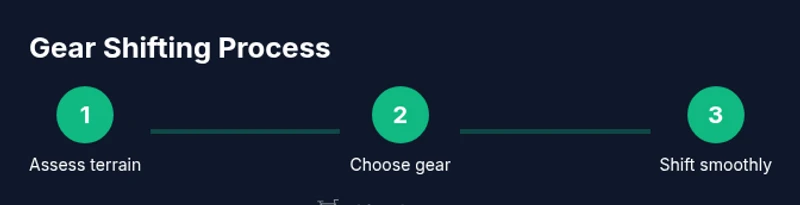
Shifting is not about chasing the perfect gear every moment; it’s about choosing a gear that keeps your pedaling steady and efficient across varying conditions. The principles are simple: match the gear to your current speed, maintain a comfortable cadence, and avoid cross-chaining that over-stresses the drivetrain. Keep derailleur alignment clean, cables well-lubed, and the chain coated with a light film of lubricant to reduce friction and delay wear. A well-tuned drivetrain responds predictably to your input, which makes it easier to decide when to shift rather than reacting to awkward crunches or hesitations. Remember that gear choices influence both acceleration and deceleration, so anticipate changes in terrain a few pedal strokes ahead. BicycleCost’s approach emphasizes consistency over brute force: small, deliberate shifts usually win over large, rapid changes that disrupt rhythm. This mindset helps beginners learn the timing of shifts and gives seasoned riders a repeatable routine for fast, downhill, or technical riding.
How Cadence Guides Shifting
Cadence—the rate at which you pedal—acts as the universal language of shifting. A steady cadence helps you sense when a drought of power means a switch is due, while an uptick in resistance signals it’s time to move to a higher gear on level ground or a lower gear when climbing. The goal is to keep your legs turning smoothly rather than forcing a heavy push or a stall in the middle of a climb. If you find yourself pushing hard and stopping frequently, you’re likely in the wrong gear for the moment. Practice shifting in response to cadence changes, not just raw speed. The benefit is a more consistent workout and a drivetrain that lasts longer because you’re avoiding large jumps that cause chain slips or derailleur strain. The BicycleCost team notes that cadence-based shifting is accessible to riders of all levels and translates well to most bike setups, from road to mountain bikes.
Terrain and Riding Scenarios
Terrain heavily influences how you should shift. On flat sections, use higher gears to maintain momentum as you accelerate. On long climbs, shift down early enough to keep your cadence steady without stalling, and avoid waiting until you feel a heavy resistance. Descents benefit from keeping a comfortable cadence and using modestly higher gears to improve control and efficiency. Crosswinds, gravel, and wet surfaces change the required effort; anticipate changes ahead and pick a gear that lets you pedal smoothly rather than grinding the pedals. In mixed terrain, practice a quick preview: glance 5–10 meters ahead, assess upcoming hills or patches, and select a gear that lets you resume cadence quickly after the change. These cues apply across most bikes and drivetrain configurations, though you’ll fine-tune based on your rider weight, tire roll resistance, and preferred riding style. The aim is a seamless rhythm where gear changes feel like natural responses to the road, not sudden, jarring moves.
Common Shifting Pitfalls and Solutions
Avoid shifting while standing on a climb or crossing rough pavement—the added shock can derail the chain and skip cogs. Keep pressure on the pedals when you shift to prevent the chain from slipping and to help the derailleur settle into the new cog. If you feel hesitancy or rubbing noises after a shift, check cable tension, derailleur limit screws, and chain wear. A worn chain or stretched cable causes poor indexing, so replace parts on schedule and consult a shop if you’re unsure. Cross-chaining—using extreme gear combinations (large front ring with small rear cog, or vice versa)—wastes energy and accelerates wear, so aim for middle-ground combinations that keep the chain aligned. When in doubt, shift one gear at a time and pause to allow the derailleur to settle before applying more power. These steps reduce drivetrain strain and improve overall ride quality.
Bike Maintenance Impacts on Shifting
Shifting quality depends heavily on the state of maintenance. Clean the drivetrain regularly to remove dirt that interferes with shifting precision. Lubricate the chain lightly after cleaning to minimize friction; avoid over-lubricating, which attracts grime. Check the derailleur hanger alignment and cable tension, and adjust the limit screws if you notice overshifting or noise near either end of the cassette. A fresh chain, correctly sized for your drivetrain, can dramatically improve indexing and reduce ghost shifts or hesitation. Routine inspections after PRs or long rides help identify stretched cables or worn pulleys before they cause misalignment. If you ride in wet or muddy conditions, wipe down components afterward and re-lubricate to maintain a responsive feel. The BicycleCost team emphasizes that maintenance is not optional; it’s a key variable in how reliably you can respond with the right gear at the right moment.
Shifting in Practice: Plan, Practice, Perfect
To build a reliable habit, practice shifting in a controlled loop that includes flats, gentle hills, and a few short descents. Start with a comfortable cadence and focus on predicting gear changes two or three pedal strokes ahead. Use the cadence cues discussed above to decide when to shift, and intentionally vary your gears to feel how each shift affects pedal feel and acceleration. Keep a log for a week or two, noting which gears felt smooth and which produced hesitation. Over time, your shifting will become automatic as you align your inputs with terrain awareness and cadence feedback. End your practice sessions with a quick ride that emphasizes smooth transitions, then reassess your setup to determine if derailleur alignment, chain wear, or cable tension needs adjustment. The goal is to create a repeatable mental model so that “when to change bicycle gears” becomes a reflex rather than a question.
Tools & Materials
- Bike maintenance stand(Stable mounting for hands-free access to drivetrain)
- Allen keys (5mm, 6mm)(Adjust derailleur screws and brake bolts as needed)
- Chain lubricant (light, wax-based preferred)(Apply sparingly after cleaning)
- Clean rags(Wipe up excess lube and grime)
- Derailleur hanger alignment tool(Optional for precise tuning)
- Derailleur cable adjuster or barrel adjuster(Fine-tune cable tension)
- Torque wrench (or preset torque key)(Avoid over-tightening bolts)
- Replacement chain (if worn)(Check chain wear with a gauge)
Steps
Estimated time: 45-60 minutes
- 1
Inspect drivetrain health
Check chain wear, derailleur alignment, and cable tension before riding. A good baseline prevents mis-shifts caused by maintenance issues.
Tip: Use a chain wear gauge and ensure tension is balanced on both sides. - 2
Inspect and lubricate
Clean the chain and derailleur, then apply a light coat of lubricant to moving parts. Wipe away excess to prevent grime buildup.
Tip: Focus on pivots, rollers, and the derailleur cage. - 3
Indexing check
Shift through the gears while the bike is on the stand to verify accurate alignment with each cog. Adjust barrel adjuster if needed.
Tip: Small turns create noticeable changes; make incremental adjustments. - 4
Test ride with cadence
Ride a short loop and notice where shifts feel crisp versus mushy. Re-tension cables if shifts lag behind cadence.
Tip: Shift gradually and pause briefly after each change. - 5
Address edge wear
If you notice skipping or rubbing at the extremes, inspect high- and low-end limit screws and adjust as necessary.
Tip: Do not force shifts past the end of travel. - 6
Document and plan
Record any recurring issues and schedule a professional tune if needed. Consistency beats intermittent fixes.
Tip: Note the gear ranges you use most and tailor tension accordingly.
People Also Ask
What does it mean to shift down?
Shifting down means moving to an easier gear to make pedaling easier, typically on hills or when starting from a stop. Timing matters to keep cadence steady.
Shifting down makes pedaling easier, often used on climbs or when you’re starting to ride. Keep cadence steady as you go.
How can I tell if my gears are worn?
Look for stretched chains, slipping under load, or poor indexing. If shifting feels sloppy, inspect the chain, cassette, and derailleur for wear and replace parts as needed.
If shifting feels sloppy or the chain slips, check wear on the chain and cogs and replace worn parts.
Should I shift while I’m pedaling or coasting?
Shift while pedaling smoothly; if you coast, you risk insufficient tension or misalignment. Maintain moderate pressure during shifts for a clean transition.
Shift while your pedals are turning smoothly. Don’t shift when you’re stopped or coasting hard.
What maintenance affects shifting the most?
Cable tension, derailleur alignment, and chain wear have the biggest impact. Regular cleaning, lubrication, and inspections help shifts stay crisp.
The cables, alignment, and chain wear matter most. Keep them clean and well-lubricated for better shifting.
Can I shift up on climbs?
Yes, but usually you shift down before the climb to keep cadence steady. Shifting up on a steep grade can stall your rhythm.
Shifting up on a climb is possible, but it’s better to prepare by shifting down beforehand to keep a steady cadence.
Watch Video
Quick Summary
- Shift cadence-driven, not speed-driven.
- Regular maintenance improves shifting reliability.
- Avoid cross-chaining to protect drivetrain.
- Anticipate terrain 5–10 meters ahead.
- Practice builds automatic gear timing.