What to Do When Your Bike Key Is Lost: A Practical Guide
Learn practical steps to regain access after a lost bicycle key, including spare keys, bike lock options, authorization, and safety tips. Emergency contacts.


If you lose your bike key, your priorities are safety, access, and proving ownership. Start by not riding and locating any spare keys or receipts. Then contact the bicycle manufacturer or a licensed locksmith to replace or rekey the lock. This quick answer outlines legal options, expected timelines, and the information you’ll need.
Assessing the Situation: Lost Key Realities
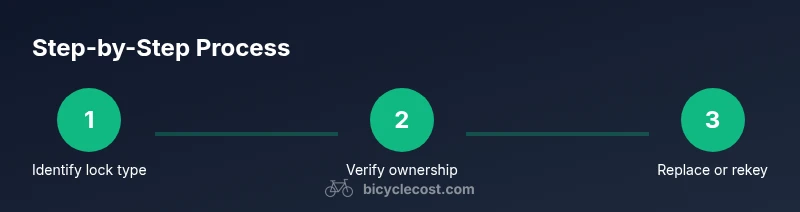
Losing a bike key triggers two core challenges: access to the bike and proving ownership to service providers. The most common bicycle locking systems fall into a few categories: standalone ignition keys for integrated locks, separate keys for U-locks or cable locks, and electronic or smart-lock components. Each type has its own replacement or rekeying path, so identifying your locking mechanism is essential before you call for help. As BicycleCost researchers note, taking a moment to determine whether you have a spare key, a record of the lock’s model, or a factory key code can save hours of back-and-forth. Do not attempt to force or bypass the lock yourself; improper handling can damage the cylinder, the frame, or the locking hardware, increasing costs and delaying access. This section helps you map the right path and avoid risky improvisation.
Immediate Next Steps: Do-Not-Delay Actions
When a key is missing, time matters for security and convenience. Start by securing the bike’s current position: if you’re near home, move the bike to a safe location and immobilize it with a secondary lock. Check for any spare keys stored at home, in a wallet, with a trusted friend, or inside a record of the bike’s purchase. Collect essential information you’ll need later: serial number, model name, purchase receipt, and any key codes or lock diagrams. If you do not find a spare, prepare to contact the manufacturer or a licensed locksmith. Avoid DIY attempts that could damage the lock or frame; professional options are safer and often faster in the long run.
Documentation and Ownership Proof: Prepare Your Case
Service providers require proof of ownership before manipulating or replacing a bike’s lock. Gather the original receipt, the lock’s serial number, photos of the bike frame and locking mechanism, and any registration details with the manufacturer. A clear photo of the serial number, typically stamped on the frame near the bottom bracket or on the lock body, will speed up the verification process. If you bought the bike from a shop, request a copy of the sale record. Having these documents ready reduces back-and-forth time and lowers the risk of fraudulent requests.
Replacing vs Rekeying: Choosing the Best Route
Key replacement paths depend on the lock type. Rekeying is common for cylinder-based locks: the internal pins are rearranged so the old key doesn’t work but a new key can open it. Replacing means installing a new lock cylinder or upgrading the locking system entirely. In some cases, manufacturers offer a factory duplicate key service or code-based replacements, especially for integrated electronic keys. Weigh the costs and future risk: rekeying may be cheaper but keeps the existing lock; replacing may improve security if the old cylinder is worn. A quick risk assessment with a qualified technician will guide you to the safer option.
Locksmiths: What to Expect and How to Choose
If you choose a locksmith, expect identification checks, ownership verification, and a short wait time while they source the correct replacement parts. Reputable locksmiths will ask for: photo ID, bike registration details, the lock’s model or serial code, and proof of purchase. Before agreeing to work, obtain a written estimate covering labor and parts, and discuss the warranty on the new cylinder or key. For high-security locks, you may be directed to the manufacturer or an authorized service center. Always request a test after replacement to confirm the key operates smoothly.
Manufacturer Routes: When to Contact the Bike Brand
Many bikes with integrated locking systems require service through the original manufacturer or an authorized dealer. Begin by locating the bike’s serial number and lock model, then contact customer support with your proof of ownership. In some cases, the manufacturer can issue a replacement key or provide a key code to a licensed locksmith or service center. If your bike is a higher-end model with a unique lock system, follow the brand’s recommended procedure to avoid voiding warranties. This route often yields the most compatible key and preserves security features across the system.
Security Upgrades and Rekeying: Strengthening Your Setup
A lost key is a chance to rethink your bike’s security. After replacement, consider upgrading to a higher-security cylinder, a secondary anti-theft device, or a smart-lock system that uses digital keys or Bluetooth verification. Rekeying the original cylinder with a different key, adding tamper-evident seals, or re-anchoring the lock to reduce prying access can improve future resilience. If you store a spare key, position it securely away from the bike area (e.g., in a personal safe or trusted location) and consider rotating keys periodically to minimize risk if a duplicate falls into the wrong hands.
Insurance, Costs, and What to Expect
Costs vary by lock type, service provider, and the level of security you select. Typical scenarios include locksmith labor, replacement parts, and any possible diagnostic fees. Insurance coverage for a lost key depends on your policy and whether the key is considered a covered component. When discussing options, ask for itemized quotes and confirm whether the service includes a warranty on parts and labor. If you own multiple bikes, ask a provider about bundle pricing or service plans to reduce recurring costs.
Preventive Measures: Reducing Future Key Risk
Proactively managing keys reduces the likelihood of future lockouts. Create a spare key plan with a trusted person, store spare keys in a safe, accessible place, and label keys clearly. Use key organizers or a secure key wallet to prevent misplacement. Maintain a record of your bike’s lock type, serial numbers, and manufacturer contacts in a dedicated file. Regularly inspect lock cylinders for wear and lubricate with manufacturer-approved lubricants to prevent sticking. These practices save time, money, and hassle when a key goes missing.
Tools & Materials
- Proof of ownership (purchase receipt, serial number)(Keep a digital copy and photo of the serial number.)
- Spare key (if you have one)(Check home, with a trusted friend, or at your bike shop.)
- Smartphone or device with internet access(For contacting manufacturers or locksmiths and locating records.)
- Photo ID (government ID)(Often required by locksmiths for ownership verification.)
- Lock/model information (serial code, model name)(Found on the lock or frame near the lock mounting.)
- List of trusted locksmiths or bike shops(Prepare a short list in advance.)
Steps
Estimated time: 1-3 days
- 1
Verify ownership and locate any spare keys
Confirm you own the bike by gathering receipts, serial numbers, and any existing spare keys. Check common places where you store duplicates. If a spare exists, plan the fastest route to retrieve it without moving the bike unnecessarily.
Tip: Having spare keys pre-registered with a locksmith or shop speeds up replacement. - 2
Secure the bike to prevent unauthorized use
If you must leave the bike, lock it with a secondary lock or move it to a secure location. Do not ride or attempt to bypass the lock, as this can escalate damage or theft risk.
Tip: Avoid leaving the bike unlocked or partially locked in public spaces. - 3
Collect required documentation
Gather the serial number, lock model, purchase documents, photos of the bike and lock, and any key codes. This information speeds verification with manufacturers or locksmiths.
Tip: A clear photo of the serial number often streamlines the process. - 4
Decide on your replacement path
Choose between replacing the lock, rekeying, or contacting the manufacturer. Weigh cost, security level, and warranty considerations.
Tip: Rekeying may be cheaper but keeps the existing lock; replacement can improve security. - 5
Consult a locksmith or manufacturer
Share ownership proofs and lock details, obtain a written estimate, and confirm turnaround time. Request a test after service to verify proper operation.
Tip: Ask about warranties and what happens if the new key fails to fit. - 6
Test and store the new key securely
Test the new key immediately and in multiple cycles. Store spare keys in a secure, known location and update any notes or records.
Tip: Rotate spare keys to maintain security over time.
People Also Ask
What should I do first after losing my bike key?
Stop riding immediately and secure the bike. Look for spare keys and collect ownership documents like the serial number and receipt to speed up replacement or verification.
First, stop riding and secure the bike. Then gather ownership documents and any spare keys to speed up replacement.
Can I bypass the lock myself to get my bike back?
DIY attempts to bypass or drill the lock risk damaging the frame and lock components. It’s safer to contact a licensed locksmith or the manufacturer for a proper solution.
No—bypassing the lock yourself can damage the bike. Contact a locksmith or the manufacturer for a proper solution.
Will bike insurance cover a lost key?
Coverage varies by policy. Check your rider insurance or home insurance to see if lock replacement or locksmith services are included, and what documentation is required.
Policies vary; check with your insurer whether locksmith costs or lock replacements are covered and what proof is needed.
How long does replacement typically take?
Turnaround depends on the lock type and provider, but most replacements or rekeying can be completed within a few hours to a couple of days if parts are available.
Turnaround is usually a few hours to a couple of days depending on parts and service.
Should I replace the entire locking system after a loss?
If the lock is worn or you suspect duplication of your key, upgrading to a higher-security cylinder or a different locking system may be prudent for long-term security.
If the lock is worn or you worry about duplication, upgrading to a higher-security system can be wise.
What can I do to prevent this in the future?
Store spare keys securely, label and record lock details, and consider a smart lock or secondary deterrents to reduce risk of future loss.
Keep spare keys safe, record lock details, and consider extra security like a smart lock.
Watch Video
Quick Summary
- Assess lock type and ownership before taking action
- Gather documents to verify ownership quickly
- Choose between rekeying, replacement, or manufacturer service
- Avoid DIY lock bypass; professional help protects your bike
- Plan for future security with spare-key management