How to Unlock a Bike Without a Key: Safe, Legal Steps
Learn safe, legal ways to regain access to a bike when you’ve lost the key. This guide covers ownership proof, working with professionals, and prevention tips to avoid future lockouts.


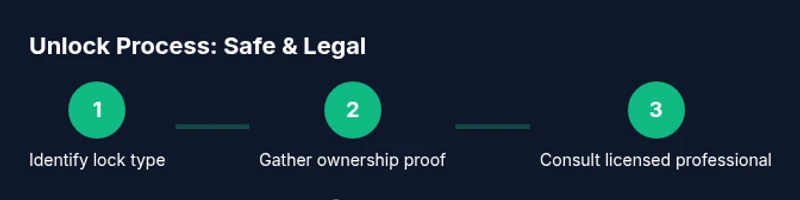
If you need to unlock a bike without a key, you should not attempt risky methods. Instead, verify ownership, seek a spare key or factory master key, and contact a licensed locksmith or your local bike shop for compliant unlocking or lock replacement. Have proof of purchase, serial numbers, and lock type ready to speed up service.
What to do first when you're locked out
When you discover you’ve lost or misplaced your bike key, your first instinct may be to try a quick fix. Don’t. Forcing, prying, or attempting lock-picking can damage the lock, bike frame, or components and may even be illegal in some jurisdictions. According to BicycleCost, the safest approach begins with verifying ownership and seeking professional help rather than attempting DIY bypass methods. Start by taking a breath, staying calm, and outlining the basic facts you can gather quickly: what type of lock is on the bike (U-lock, chain lock, or integrated lock), the make of the lock if visible, and any identifying numbers or model marks. Then, locate any original receipts, serial numbers, or photos of the bike that prove ownership. Having these at hand will expedite service and reduce the risk of a dispute about ownership. If you ride with a partner or family member, confirm their contact information and any keys they might possess. Finally, decision-time comes down to whether you can access a spare key, a master key from the manufacturer, or a professional locksmith or bike shop that can help safely.
Understanding lock types and ownership proof
Bicycle locks come in several common varieties, each with its own unlocking considerations. U-locks are rigid metal devices that resist cutting and prying but require the correct shackle size and key or combination. Chain locks offer flexibility but rely on keys or a code; Be mindful that chain links and locks can be bulky, making certain types harder to replace quickly. Integrated locks, built into the frame or wheel, may require specific procedures and sometimes a component replacement. When you don’t have the key, knowing the lock type helps the professional estimate the best course of action. Equally important is ownership proof. A receipt, a record of the bike’s frame serial number, or a Bank/insurance confirmation can be critical evidence. BicycleCost analysis shows that presenting clear ownership details often reduces service time and protects you from disputes. Keep photos of the bike, the purchase date, and any warranties or manuals handy. If your bike has a registered frame number, collecting that information and providing it to a service professional can help confirm legitimacy and speed up the unlocking process.
Safer, professional options for unlocking
Professionals offer legitimate routes to regain access without damaging the bike. The safest option is to contact a licensed locksmith or a reputable local bike shop with your ownership documents. They can assess the lock type, determine whether a non-destructive entry is possible, and discuss the best path forward, such as on-site unlocking or lock replacement. In some cases, the manufacturer or authorized dealer can provide a master key or a replacement lock cylinder after you provide proof of ownership. The BicycleCost team emphasizes relying on trained technicians rather than attempting improvised methods that could void warranties or cause frame damage. If you must travel to a shop, arrange safe transport for the bike and bring any relevant serial numbers, purchase receipts, and your photo ID. Clarify whether a replacement key can be ordered, whether the lock can be rekeyed, or if you should plan for a full lock upgrade for improved security. Remember: the goal is safe, legal restoration of access while preserving the bike’s integrity.
What to expect during service
During professional service, you’ll typically be asked to present identification and ownership proof. The technician will inspect the lock, assess the best non-destructive route first, and explain your options. If non-destructive entry is possible, they’ll perform it and test the lock with the bike’s frame securely intact. If the lock is damaged or cannot be opened without force, you may opt for lock replacement or rekeying. The process may involve removing the lock from the frame, verifying your ownership, and then installing a new lock or providing a key or code for future access. The timeline varies with lock type, shop availability, and whether parts must be ordered. BicycleCost’s research underscores the value of clear communication: ask for a written estimate, confirm what will be done, and obtain warranty terms for the new lock or service. After service, request spare keys, confirm the key code where applicable, and store the information safely to prevent a repeat scenario.
Preventive steps to avoid future lockouts
Prevention starts long before a lockout happens. Keep a spare key in a secure, separate location and consider registering your bike’s lock with the manufacturer if available. Label keys distinctly and avoid storing spare keys inside the house with the bike. Consider fuel-efficient and weather-resistant storage practices to ensure the lock is exposed to minimal moisture and dirt, which can degrade the mechanism over time. Regularly check the lock for rust, stiffness, and alignment; a poorly aligned lock increases the risk of jamming. For the tech-savvy rider, consider a high-quality lock with a sturdy key system or a trusted combination-based option, if compatible with your bike. The goal is to reduce the chance of lockout scenarios and speed recovery if one occurs. BicycleCost’s findings highlight that preventive steps, not emergency fixes, keep riders riding year-round.
When to consider replacing the lock
If the current lock is old, corroded, or repeatedly stuck, replacement may be the safer option. A worn-out lock is more prone to failure and can jeopardize bike security. Upgrading to a newer model with enhanced security features can also simplify future access and maintenance. Before purchasing a replacement, compare lock types, weight, security rating, and compatibility with your bike frame and wheels. Ensure the lock is appropriate for your storage habits and typical riding environment. If you choose to replace, keep a spare key in a trusted location and record the code or combination. A reputable shop can guide you to an upgrade that balances ease of use with protection against theft. The BicycleCost team notes that investing in a robust, well-fitted lock reduces the risk of damage during future unlock attempts and offers better long-term protection for your bike.
Tools & Materials
- Proof of ownership(Receipt, serial number, or registration documentation)
- Photo ID(Government-issued ID to verify your identity)
- Lock details(Brand, model, type (U-lock, chain, or integrated))
- Serial numbers / frame number(Bike frame serial if available; helps verification)
- Mobile device(For contacting locksmith or bike shop, and sending photos if needed)
Steps
Estimated time: 60-180 minutes
- 1
Identify lock type and gather proof
Observe the lock style (U-lock, chain, or integrated) and collect ownership evidence such as receipts, the bike's serial number, and a photo ID. This information speeds up service and reduces disputes about ownership.
Tip: Having the lock brand and model handy helps the technician prepare the right tools and options. - 2
Contact a licensed professional
Call a licensed locksmith or authorized bike shop with your ownership documents. Explain the lock type and your situation clearly so they can advise the safest path forward.
Tip: Ask for a written estimate before any work begins. - 3
Provide verification and access the site
Present your ID and ownership proof when the professional arrives. They will assess whether non-destructive entry is possible and discuss your options.
Tip: If the bike is stored off-site, arrange secure transport or on-site service if available. - 4
Choose the best safe option
If non-destructive entry is possible, they’ll attempt it and test the lock after access. If not, you may replace or rekey the lock.
Tip: Clarify warranty terms for any replacement parts. - 5
Secure the new setup
Receive the new lock or key code, store it securely, and request spare keys. Confirm compatibility with your bike and save the information for future use.
Tip: Record the key code or combination in a safe, separate location. - 6
Create a prevention plan
Establish a spare key system, possibly a secondary lock location if appropriate, and schedule regular lock maintenance checks.
Tip: Consider a weather-resistant lock and a trusted key management strategy.
People Also Ask
Is it legal to unlock a bike without a key?
In most places, you can unlock a bike you own if you have proper proof of ownership. Attempting to bypass a lock without authorization can be illegal. Always contact a licensed professional and provide documentation.
You’re typically allowed to unlock your own bike with proof of ownership, but avoid DIY bypasses and hire a licensed professional.
What counts as proof of ownership?
Receipts, the bike's serial number, registration, and any warranty or manual documents can serve as proof. A photo ID matching the owner’s name is also common when verifying ownership with a professional.
Proof includes receipts, serial numbers, and a matching photo ID; have these ready when requesting service.
Can a locksmith unlock an integrated frame lock?
A locksmith can assess and often unlock or replace integrated frame locks, but access depends on the bike model and permissions. Non-destructive entry is preferred when possible, followed by a replacement if needed.
They can often unlock or replace an integrated lock, after verifying ownership.
What are safer alternatives to bypass the lock?
The safest option is professional assistance. Avoid drilling, cutting, or attempting to pick the lock, as these can damage the bike and may be illegal. A licensed pro can determine the best path forward.
Safer alternatives mean calling a professional and avoiding risky DIY methods.
How can I prevent lockouts in the future?
Keep a spare key in a trusted location, register the lock with the manufacturer if available, and perform regular lock maintenance. Consider a secondary backup plan for access when a key is lost.
Store spare keys safely and maintain your lock to prevent future issues.
Watch Video
Quick Summary
- Verify ownership before requesting service
- Use professionals to avoid damage
- Keep spare keys and documentation accessible
- Plan a lock upgrade if current hardware shows wear