What to Do If Your Bike Is Stolen: A Practical Guide
If your bike is stolen, act quickly with police reports, insurance, and community alerts. This step-by-step guide from BicycleCost helps you recover or replace your bike safely.


If your bike is stolen, act quickly: file a police report, notify your insurer, and begin monitoring local marketplaces. Gather proof of ownership, serial numbers, and photos, then share details with local bike shops and online communities. The BicycleCost team notes that prompt reporting improves recovery chances and limits liability.
Immediate Steps Right After the Theft
If you are asking what to do bike stolen, you should act within hours, not days. The clock matters because thieves are most likely to move a bike within the first 24–48 hours. Start by assessing the scene safely, then gather any available evidence (photos, serial number, purchase receipt). According to BicycleCost, quick action improves the odds of recovery and helps you document the loss for insurance. Keep a calm, organized log of every action you take, including whom you speak with and when.
Gather Evidence and Documentation
Collect all proof of ownership you can locate: a serial number, receipt or payment records, helmet or accessories that match your bike, and recent photos. Create a digital backup in cloud storage. Take clear photos of the bike’s frame number, distinctive decals, and any aftermarket parts. This evidence will be crucial for police reports, insurance claims, and registries. The more detail you have, the easier it will be to prove ownership to authorities and potential buyers who see a listing.
Report to the Police and Your Insurance Provider
File a theft report with your local police department as soon as possible. Include the make, model, color, frame number, distinctive parts, last known location, and any serial numbers. If your bike is financed or insured, contact the lender or insurer with a copy of the police report. Many riders find that proactive coordination between police and insurers speeds up claims processing and recovery options. Document every interaction and keep your case number handy.
Search Local Pawn Shops and Online Marketplaces
Check local pawn shops, bike shops, and online marketplaces for listings that resemble your bike. Search by frame number, distinctive features, and accessories. Don’t confront sellers directly; instead, inform authorities and let them take the lead. Create alert notices and post details in local buy/sell groups. The goal is to flag any potential sightings quickly while avoiding scams that masquerade as legitimate listings.
Use Registries, Apps, and Social Media
Register your bike with national and local registries if you haven’t already. Apps that track stolen bikes can flag matches if someone attempts to register your bike under a different name. Post a clear description and images on social media, neighborhood forums, and cycling clubs. Ask friends to share the post and expand the reach to secondhand markets and bike repair shops. Community awareness is a powerful ally in locating a stolen bicycle.
Notify the Community and Set Up Alerts
Spread the word in rider groups, local gyms, universities, and commuter forums. Ask shop owners and repair stands to keep an eye out for suspicious listings. Set up alert notifications from marketplaces and registries to receive immediate updates if a listing matches your bike. If you locate a potential sighting, do not confront the seller; report it to the authorities and let them handle the interaction.
What Happens If Your Bike Is Found
If the bike is recovered, work with the police to verify ownership and recover property. Do not remove any listed identifiers or alter the bike before police arrive. If the bike has been repaired or altered, document these changes and notify insurers or registries. Recovery can be a lengthy process, but coordinated reporting and proof of ownership increase the likelihood of returning the bike to you.
Preventive Measures for Future Security
After a theft, invest in better security: a high-quality U-lock or chain, multiple locking points, and secure parking choices. Register your bike with a registry, photograph serial numbers, and store receipts or proof of purchase. Where feasible, consider GPS trackers and smart locks. These steps help deter theft and shorten recovery time if a theft occurs again. BicycleCost emphasizes ongoing maintenance and awareness to reduce vulnerability.
Recovery vs Replacement: Planning Your Next Bike
If recovery proves unlikely or costly, begin planning a replacement with a clear budget and risk assessment. Consider new bike models with improved security features and lighter, stronger locking solutions. Review insurance options and understand what is covered in a theft scenario. A thoughtful replacement plan can minimize downtime and help you stay back on the road quickly.
Tools & Materials
- Proof of ownership(Receipts, photos, serial number records; keep digital copies)
- Bike serial number and model details(Record locations (frame, head badge) and how to access them)
- Photos of bike and distinctive features(Close-ups of decals, components, and accessories)
- Police report number(From the initial report; share with insurers and registries)
- Insurance and financing contacts(Lender or insurer contact info for claims)
- Digital device for monitoring listings(Set up alerts on marketplaces and social networks)
Steps
Estimated time: 60-120 minutes for initial actions; ongoing monitoring can extend for weeks
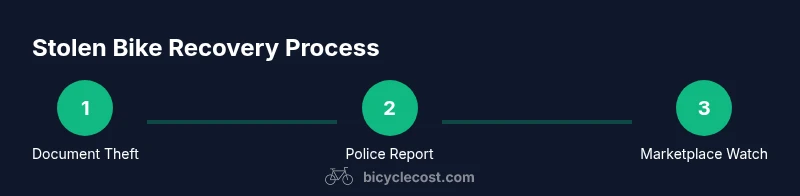
- 1
Document the theft
Assemble all available information: time, location, description, accessories, and photos. This creates a solid baseline for reports and potential recovery.
Tip: Take quick photos of the scene if you can do so safely; leverage those images for evidence. - 2
File a police report
Visit or call your local police department and file a theft report with serial numbers, photos, and ownership proof. A formal report improves recovery odds and supports insurance claims.
Tip: Ask for a report number and officer contact; keep notes of all interactions. - 3
Notify insurers and lenders
Contact your insurer and, if financed, the lender with the police report and ownership proof to start claims or a replacement process.
Tip: Provide clear purchase details and any maintenance or upgrade receipts. - 4
Search and monitor marketplaces
Regularly check local shops and online marketplaces for listings resembling your bike using distinctive features and serials.
Tip: Set alerts and avoid direct contact with sellers; report listings to authorities. - 5
Engage the community
Post details in cycling groups, neighborhood apps, and social channels; ask others to share and watch for sightings.
Tip: Use consistent photos and descriptions to prevent confusion with similar bikes. - 6
If you spot a listing
Do not confront the seller. Inform authorities and let them handle the interaction to avoid risk.
Tip: Provide listing URLs, screenshots, and identifying features to police.
People Also Ask
What should I do first after my bike is stolen?
Call police and file a theft report as soon as possible, then gather ownership proof and photos for claims and registries.
First, report the theft to the police and gather proof of ownership to start the recovery process.
How can I prove ownership without receipts?
Use serial numbers, photos, maintenance records, and any registration details to establish ownership with authorities and insurers.
You can prove ownership with serial numbers, photos, and any registration records even without a receipt.
Where do thieves typically sell stolen bikes?
Stolen bikes often appear in local pawn shops, online marketplaces, and cycling forums; monitor these sites and alert authorities if you see a match.
Look for listings in local marketplaces and online bike forums and report suspicious activity to the police.
Will my insurance cover a stolen bike?
Most policies offer theft coverage if you meet conditions and report promptly; verify your policy and file a claim with the police report.
The typical policy covers theft if reported promptly and with proper documentation.
How long does recovery or replacement take?
Recovery times vary; some bikes are recovered quickly, others require weeks. Stay proactive with reports, monitoring, and follow-ups.
Recovery can happen quickly or take weeks; keep tracking both with police and insurers.
What if my bike is recovered by someone else?
Notify the police immediately and verify ownership before reclaiming. Do not remove any identifiers until authorities arrive.
If recovered, contact the police and verify ownership before reclaiming.
Watch Video
Quick Summary
- Act quickly after theft to improve recovery odds
- Document ownership and report promptly
- Leverage registries, insurers, and online communities
- Monitor marketplaces and share details widely
- Invest in stronger security to deter future theft