What to Do After Buying a New Bicycle: A Practical Guide
Learn the essential steps after buying a new bicycle, from safety checks and assembly to sizing, maintenance, and first rides. A practical, expert guide by BicycleCost to help you ride smarter in 2026 and beyond.


After buying a new bicycle, you’ll start with a safety-first setup, inspect components, and adjust fit before your first ride. Then you’ll plan a gentle first ride, perform basic maintenance, and establish a simple care routine. This guide covers practical steps, tools, and safety checks to get you riding confidently.
Safety mindset and initial checks
Owning a new bicycle means prioritizing safety from day one. According to BicycleCost, the first steps should focus on a thorough safety check, correct fit, and a clean workspace. A calm, methodical approach reduces the risk of injury and helps you build confidence as you begin riding. Gather light and dark clothing for visibility, a helmet, and a basic bike repair kit. Before touching any parts, inspect the frame for cracks or obvious damage and confirm that the brake levers, shifters, and wheels spin freely without rubbing. This initial inspection sets the tone for a long, enjoyable riding life and helps you spot issues early, saving time and money later on.
Unboxing, inspection, and setup fundamentals
When you unbox a new bicycle, lay it on a clean surface and compare the components with your purchase receipt. Look for missing parts or damage to the fork, headset, wheels, and brakes. If you notice anything beyond light packaging marks, pause and contact the seller or manufacturer. A controlled, step-by-step approach to assembly and setup minimizes surprises. Make a simple checklist you can reuse for future bikes, and store any receipts and warranties in a dedicated folder. This phase is not just about putting parts together; it’s about confirming reliability from the start, which BicycleCost emphasizes in its guidance for new-bike owners.
Fit and geometry: saddle height and reach
A correct saddle height and handlebar reach are crucial for comfortable, efficient riding and long-term joint health. Start with a neutral position where your knee has a slight bend at the bottom of the pedal stroke. Adjust the saddle forward or backward to align your knee over the pedal axle and ensure your hips stay level during a pedal stroke. Check your reach by lightly holding the handlebars; you should feel a slight bend in your elbows and a relaxed shoulder posture. Fine-tune the saddle angle for comfort—most riders prefer a level saddle or a very slight nose-down tilt for better pedaling efficiency. Record your settings so you can replicate them on future bikes.
Brake checks and drivetrain safety
Brakes should engage smoothly without rubbing and should require consistent pressure. Check both front and rear brakes for responsiveness, and verify that the brake pads align with the rims or rotors correctly. Inspect the shifting system; test all gears to confirm clean, precise shifts without skipping. If you notice rubbing, misalignment, or slower-than-expected gear changes, don’t ride aggressively to avoid damage. This stage ensures you can stop reliably in everyday conditions and enjoy predictable gear changes on varied terrain, a fundamental habit BicycleCost promotes for new riders.
Tire inflation and tubeless readiness
Proper tire pressure improves ride quality, reduces pinch flats, and enhances control. Use a gauge to check that tires sit at the recommended pressure printed on the sidewall—adjust based on rider weight and typical riding conditions. If you have tubeless tires, ensure the sealant level is adequate and that the bead seats evenly. For traditional tubes, verify that the tubes are seated properly and that there are no wobbles in the rims. Regularly checking tire pressure before rides helps avoid flats and improves handling, a simple yet impactful habit recommended by BicycleCost.
Chain care and lubrication basics
A clean, properly lubricated chain improves shifting and extends drivetrain life. Wipe the chain to remove factory lubrication residue and apply a light coat of bicycle-specific lubricant. Avoid heavy oiling, which can attract dirt and wear. Wipe away excess lubricant after a few minutes to keep drivetrain components clean. Periodic chain checks and lubrication are inexpensive insurance against premature wear and poor performance, a foundational maintenance practice that new-bike owners often overlook.
The first ride plan: safe routes and gradual exposure
Plan a gentle first ride in a familiar, low-traffic area where you can focus on comfort and control. Start with shorter distances and gradually increase as your confidence grows and you confirm fit. Pay attention to pedal cadence, braking response, and general tracking on different surfaces. If something feels off—unusual noises, drifting, or unstable steering—return to the workshop for a quick check before continuing. Building a positive first-ride experience helps you form lasting riding habits that support safety and enjoyment.
Safety gear, lights, and visibility
A properly fitted helmet is just the start. Add front and rear lights for visibility in dawn, dusk, and poor weather, and consider reflective clothing or accessories. Ensure your bike has a bell or horn, a working brake light (if applicable), and a secure quick-release mechanism. Regularly check that routes and signage are visible, especially when riding near traffic or in urban environments. These safety measures raise your visibility and reduce risk, reinforcing the smart, responsible approach BicycleCost advocates for new riders.
Maintenance cadence and records
Create a simple maintenance plan you can follow. Note down dates of tune-ups, parts replaced, and parts to check before each ride. Keep all receipts, warranty information, and manuals in a dedicated folder or digital note. Establish a basic routine: inspect brakes and tires weekly, clean the frame monthly, and lubricate the chain during every other week of regular riding. A consistent maintenance cadence preserves value and performance and makes riding more predictable and enjoyable over time.
Tools & Materials
- Allen key set (4, 5, 6 mm)(Essential for most bolts on a new bike)
- Torque wrench(Optional but helpful for precise bolt tightening)
- Bike grease (paste)(Used on threads and hinges)
- Bike-specific lubricant(Apply to chain and pivots)
- Floor pump with gauge(For accurate tire inflation)
- Tire levers(Useful for tube changes)
- Rags or shop towels(Keep workspace clean)
- Bike stand or stable table(Optional but helps with assembly)
- Seatpost clamp tool or hex wrench(For saddle height and front/back alignment)
- Printed warranty and receipt(Keep for service and parts)
Steps
Estimated time: 1.5-2.5 hours
- 1
Unbox and inventory components
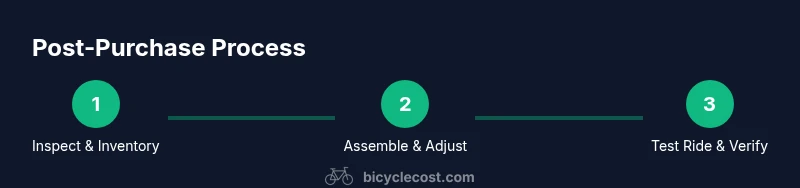
Carefully remove packaging and lay out all parts on a clean surface. Compare what you have with your receipt and box contents, checking for missing items or damage. Create a quick parts checklist to confirm everything is present before you begin assembly.
Tip: Take photos of any shipping damage before you touch components. - 2
Set up a safe workspace and gather tools
Choose a well-lit, flat area. Assemble your essential tools and lay them within easy reach. A clean workspace reduces the risk of dropping parts or losing small bolts during assembly.
Tip: Use a bike stand to keep the frame stable while working. - 3
Attach or align the front wheel and headset
If the front wheel is not already installed, mount it and ensure it spins true without rubbing. Check the headset for smooth turning and adjust spacers if needed to avoid play in the steerer tube.
Tip: Follow manufacturer torque specs when tightening any headset bolts. - 4
Set saddle height and seat position
Adjust the saddle so your leg has a slight bend at the bottom of the pedal stroke. Align the saddle so that your knee tracks over the pedal axle and your hips stay level.
Tip: Record your measurements so you can replicate on future bikes. - 5
Adjust handlebar reach and stack
Position the handlebars for a comfortable reach with a light bend in the elbows. Ensure the nose of the saddle and the handlebars align with your pelvic balance for a natural riding posture.
Tip: Tighten the stem bolts incrementally to the recommended torque. - 6
Check brakes and gears
Test both brakes for responsiveness and ensure pads align properly with rims or rotors. Shift through all gears to verify smooth transitions and adjust derailleurs if needed.
Tip: Do not ride if brakes rub or feel spongy. - 7
Inflate tires and inspect tires/valves
Inflate to the recommended pressure using a gauge. Inspect tires and valves for leaks or damage, and seat tubeless beads if applicable.
Tip: Always start with lower pressure on your first ride if unsure of weight and terrain. - 8
Take a first test ride and perform safety checks
Ride in a safe area to test braking, shifting, and handling. Listen for unusual noises and check for any loosened bolts or rubbing components after the ride.
Tip: If anything feels off, return to the workshop for a quick inspection.
People Also Ask
Do I need professional assembly for a new bicycle?
Many new bikes ship partly assembled and can be set up at home with basic tools. If you’re unsure about critical steps like headset adjustment or brake alignment, a professional tune-up is recommended to ensure safety and performance.
You can usually assemble at home if you have the right tools, but consider a professional tune-up for critical safety areas.
How often should I service a new bike after purchase?
Establish a simple maintenance cadence: inspect brakes, tires, and chain weekly, and schedule a professional tune-up every few months or as needed based on riding conditions and usage.
Keep up with regular checks and a professional tune-up every few months or as needed.
What basic maintenance should I perform after purchase?
Clean the frame, lubricate the chain, check tire pressure, inspect brakes, and ensure gears shift smoothly. Keep notes of any adjustments to track changes over time.
Clean, lubricate the chain, and check brakes and tires regularly.
Is it safe to ride right after assembling a new bike?
Yes, once you’ve confirmed brakes, gears, tire pressure, and wheel alignment are correct, you can take a short, controlled ride in a safe area to confirm everything feels right.
Yes, after safety checks, take a short test ride in a calm area.
How do I know if the bike fits me properly?
A proper fit means comfortable saddle height, a balanced hip position, and a natural reach to the handlebars without strain. If you can’t achieve comfort, revisit saddle height, handlebar position, and stack height.
Check saddle height, reach, and hip balance to ensure comfort.
Watch Video
Quick Summary
- Prioritize safety checks before every ride.
- Proper fit enhances comfort and efficiency.
- Regular maintenance saves money and extends bike life.
- Document settings and maintenance for future bikes.