How to Put Bicycle Wheel Back On
Learn how to put bicycle wheel back on safely with a clear, step-by-step approach. Tools, checks, and safety tips from BicycleCost for confident reassembly.


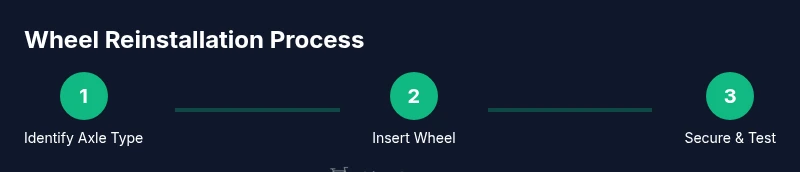
This guide shows you how to put bicycle wheel back on safely and efficiently, covering common axle types, rotor alignment, and brake compatibility. You'll need a few basic tools and a stable workspace. By following the steps, you’ll minimize damage and ride confidently again. According to BicycleCost, reinstalling the wheel correctly is essential for safety and performance. This quick answer summarizes the goal: seat the wheel evenly, align the rotor or brake caliper, and firmly secure the axle or quick-release. With the right setup, you can complete the task in under an hour and avoid common mistakes.
Why wheel installation matters
A correctly installed wheel is essential for safe braking, steering and efficient power transfer. If the wheel isn't seated evenly, the tire can rub on the brake, the rotor can rub, or the dropout can flex under load. For cyclists, a sloppy wheel installation increases the risk of flats, crashes, and damage to hubs and frames. This is essential to know how to put bicycle wheel back on correctly. Because a wheel that isn't centered or tightened can slip under hard braking or cornering, check this step-by-step guide. According to BicycleCost, the consequences of poor installation go beyond poor ride quality. By taking your time to reinstall properly, you protect the wheel, the frame, and your safety. The process is largely about three things: seating, alignment, and secure fastening. The rest is about adjusting brakes and checks; with patience, you can fix common issues and ride with confidence. This is essential to know how to put bicycle wheel back on correctly.
Know your wheel and hub types
Bikes vary widely in how wheels attach. Quick-release skewers, bolt-on axles, and through-axles each mandate a different reinstallation approach. If you’re wondering how to put bicycle wheel back on with a through-axle or quick-release, the method changes: QR wheels rely on a lever and narrow skewer, bolt-on wheels use nuts, and thru-axles require precise threading and torque. Your wheel’s rotor position and brake mount can also influence alignment. Understanding your hub type prevents misalignment, rubbing brakes, or a loose wheel on the dropouts. This knowledge makes the process safer and faster and reduces the chance of damage during reattachment.
Before you start: workspace and safety checks
Set the bike on a stable stand or flipped frame so the rear or front wheel can be maneuvered without wobble. Inspect the tire and rim for damage, check the rotor for warping, and ensure the brake caliper is in a relaxed position if applicable. Clean the axle surfaces and dropouts to remove grit that could prevent proper seating. Wear gloves or use clean rags to maintain grip and prevent oil on the hub. Having adequate lighting and a clean workspace reduces the risk of dropping parts or cross-threading an axle. Remember to keep the quick-release lever open or the axle bolts loose enough to allow wheel insertion before final tightening. This preparation helps when you learn how to put bicycle wheel back on with confidence and safety.
Core installation process overview
The core steps involve guiding the wheel into the dropouts or frame, aligning the rotor with the brake caliper, seating the wheel fully, and finally securing the axle or skewer with appropriate torque. If you have a brake rotor, make sure it sits between the brake pads without rubbing. If you ride a rim-brake, ensure the brake caliper is centered and not rubbing the rim. The process varies by axle type, so follow the corresponding sub-steps for QR, bolt-on, or thru-axle setups. This overview sets you up for the detailed step-by-step instructions that follow below.
Safety checks after installation
Spin the wheel gently to ensure smooth rotation and no contact with brake pads or frame. Check for runout by watching the rotor or rim during a slow spin. Confirm that the quick-release lever is securely tightened or that all axle nuts are torqued to the manufacturer’s specification. Press each brake lever and verify that the calipers engage smoothly without rubbing. If you notice rubbing or wobble, stop riding and re-check alignment and seating. These safety checks reinforce how to put bicycle wheel back on with reliability and confidence.
Common mistakes and fixes
Common errors include misaligned rotors, over-tightened or under-tightened axles, and failing to seat the wheel evenly in the dropout. If you experience rotor rub after installation, re-check the rotor bolts and caliper centering, and confirm the rotor is not bent. If the wheel won’t seat, remove and reinsert, ensuring the axle threads engage cleanly and the wheel sits flush against the dropouts. For disc brakes, ensure the caliper is parallel to the rotor and centered over the disc. These fixes are part of mastering how to put bicycle wheel back on safely and effectively.
Authority sources and further reading
- https://www.nhtsa.gov/road-safety/bicycle-safety
- https://www.cdc.gov/transportationsafety/bicycle-safety/index.html
- https://www.parktool.com/maintenance/repair/bicycle-wheel-repair-tips
Brand note from BicycleCost
According to BicycleCost, the wheel installation process benefits from a calm, methodical approach. The BicycleCost analysis, 2026, shows that riders who double-check seating, rotor alignment, and brake clearance reduce post-install issues by a wide margin. Our guidance emphasizes practical checks, correct torque where specified, and a final test ride to confirm everything is solid. The BicycleCost team recommends keeping a small toolkit handy and reviewing your bike’s manual for model-specific torque specs and rotor fastener requirements. This approach ensures safe, reliable reattachments every time.
Tools & Materials
- Hex wrench set (4mm/5mm/6mm)(Check your hub type for exact sizes)
- Adjustable wrench or cone wrenches (15mm)(For bolt-on axles)
- T25 Torx driver(Only needed for some disc rotor bolts)
- Tire levers (2-3)(For bead seating if needed)
- Bike pump with gauge(Inflate to tire sidewall pressure)
- Clean rag(Wipe excess oil or dirt)
- Lubricant/grease (hub-specific)(Only if your hub requires it)
- Stand or stable support(Helps keep bike steady during install)
Steps
Estimated time: 45-60 minutes
- 1
Identify axle type
Inspect whether your bike uses a quick-release, bolt-on nuts, or a through-axle. Knowing the type determines how you insert and secure the wheel and how you tighten the fasteners to the correct torque. If you’re unsure, consult the owner’s manual or hub documentation before proceeding.
Tip: Pro tip: If you’re unsure of torque specs, start with a light snug and gradually tighten while spinning the wheel to avoid over-tightening. - 2
Position bike securely
Place the bike on a stand or stable surface. Open the appropriate lever or loosen the axle nuts so there is enough clearance to slide the wheel into the frame while keeping brakes relaxed for clearance.
Tip: Pro tip: Keep your fingers clear of the caliper and rotor during insertion to avoid pinched skin or accidental bending. - 3
Insert wheel into frame/dropouts
align the wheel so the axle sits evenly in the dropouts. For QR wheels, push the axle fully into place then close the lever. For bolt-on or through-axle systems, thread the nut or axle until snug but not overtightened.
Tip: Pro tip: If the rotor or caliper interferes, back the wheel out slightly and re-align before reattempting. - 4
Align rotor and caliper
If you have a disc brake, ensure the rotor sits between the brake pads and that the caliper aligns centered over the rotor. For rim brakes, verify the brake pads align with the rim and clear the tire. Make tiny adjustments if you feel rubbing as you spin.
Tip: Pro tip: Lightly tap the rotor with a small screwdriver handle while rotating to check for true alignment; avoid bending the rotor. - 5
Tighten and secure axle
Once seated, tighten the axle nuts or close the QR lever to the manufacturer’s recommended torque. Check for play by wiggling the wheel laterally. A secure wheel should show no noticeable movement.
Tip: Pro tip: For through-axles, torque to manufacturer specs using a torque wrench if available. - 6
Check wheel spin and clearance
Spin the wheel to confirm smooth rotation without brake rub. If you hear rubbing, stop and re-check rotor alignment, caliper centering, and seating depth. Ensure the brake caliper does not contact the fork or frame.
Tip: Pro tip: Do a quick check by applying the brake as you spin slowly to confirm consistent engagement without rubbing. - 7
Inflate tire and verify pressure
Inflate to the tire’s rated pressure on the sidewall. Ensure the bead sits evenly, and the tire is not pinched at the rim. A properly seated tire reduces the risk of flats and improves handling.
Tip: Pro tip: Use a gauge for accuracy; underinflated tires can feel sluggish and overinflated tires can increase pinch flats. - 8
Test ride and final safety check
Take a short test ride in a safe area. Listen for rubbing, test braking, and assess handling. If everything feels solid, you’re done. If not, re-check all previous steps and adjust as needed.
Tip: Pro tip: Start with a slow ride to warm up the brakes and ensure consistent performance before longer distances.
People Also Ask
What if the wheel won’t seat because the rotor is out of alignment?
Rotor misalignment is common after reattachment. Loosen the axle slightly, re-align the rotor between the brake pads, then retighten. Spin the wheel to ensure smooth rotation without rubbing before riding.
Rotor misalignment is common after reattachment. Loosen the axle, realign the rotor, and retighten, then spin to confirm no rubbing.
Can I reinstall the wheel with the brakes engaged?
No. If you have disc brakes, open the brake caliper or move the pads away to create clearance. With rim brakes, release the brake to avoid pad contact during wheel insertion.
No. Open the caliper or release the brake to avoid pad contact during insertion.
How tight should axle nuts or quick-release be?
Tighten until there is no play in the wheel, then give a final check by twisting the wheel gently and ensuring it remains secure. If you have manufacturer torque specs, use a torque wrench as needed.
Tighten until there’s no play, then double-check with a gentle twist. Use manufacturer torque specs if available.
Is it safe to ride if there’s still rubbing after installation?
No. Persistent rubbing can indicate misalignment or seating issues. Stop, re-check rotor, caliper, and seating, then re-test. If rubbing continues, consult a bike shop.
Not safe to ride with rubbing. Recheck everything and consult a shop if it persists.
Do I need special tools for every bike model?
Most repairs can be done with a basic tool set, but some bikes require specific torque or dropout tools. Refer to your bike’s manual for model-specific requirements.
Usually a basic tool kit works; some models need specific tools, so check the manual.
Watch Video
Quick Summary
- Seat the wheel evenly in the dropout.
- Align rotor and brake components before final tightening.
- Tighten to manufacturer torque specs and verify clearance.
- Test ride at low speed to confirm safe operation.