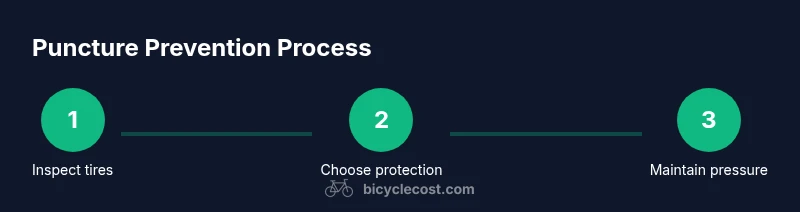
How to Prevent Bicycle Tire Punctures: Practical Guide
Learn practical, step-by-step strategies to prevent bicycle tire punctures. From tire choices and sealants to proper inflation and hazard-aware riding, this guide covers tubeless and tubed setups to help you ride confidently with fewer flats.


Discover how to prevent bicycle tire puncture by combining smart tire choices, protective liners, sealants, and correct inflation with hazard-aware riding. This quick guide explains common puncture causes and the basic, practical steps riders can take to reduce flats on roads and trails. From choosing the right tires to inspecting rims and maintaining pressure, these habits add up to fewer flats and a smoother ride.
Understanding Punctures: Causes and Prevention
Punctures occur when a sharp object penetrates the tire or when the tire fails to seal properly around the rim. In this section we explore the main causes of flats and practical safeguards. This is where you begin to understand how to prevent bicycle tire puncture by addressing road debris, underinflation, worn treads, and pinch flats. Regular inspection helps you spot embedded glass, thorns, metal shards, or tire bead damage before a ride. Pair this knowledge with proactive measures like selecting puncture-resistant tires, installing liners, and using sealant where appropriate. A proactive approach reduces flats and keeps you rolling. By the end, you’ll have a clear sense of which protections fit your riding style and terrain.
Tire and Tube Options: Tubes, Tubeless, and Liners
Choosing the right tire setup is foundational to puncture prevention. Tubed systems are simple and affordable, but tubeless configurations with sealant can dramatically reduce small punctures. This section breaks down when to choose tubes, tubeless, or a liner-based approach. You’ll learn how tire width, bead type, and rim compatibility influence protection. For urban riding, puncture-resistant tires with liners can be a smart compromise. For mountain biking, tubeless becomes attractive for ride stability and fewer flats on rough terrain. The goal is to match protection level with riding style and maintenance willingness.
Sealants and Liners: What Works and When
Sealants are a frontline defense against small punctures. This section explains how sealant works, how much to use, and when to top it up. Liners and puncture-protection strips offer additional defense against sharp objects penetrating the tube. We discuss the trade-offs—added weight, potential clogging, and maintenance needs—so you can decide if sealants, liners, or a combination best suits your setup. Practical tips cover injection methods, compatibility with tubeless systems, and how to check sealant consistency over time.
Tire Liners and Protective Belts: How They Reduce Flats
Liners sit between the tire and tube, creating a barrier that can stop thorns, glass, and nails from reaching the tube. In this section, you’ll find guidance on where liners are most effective (front vs rear tires, urban vs off-road), how to select the right thickness, and installation tips to avoid wrinkles that cause roll issues. We also cover protective belts embedded in tires, which can nearly eliminate sidewall punctures on rough terrain. Real-world examples illustrate when liners are worth the extra cost and drag.
Tire Sizing and Fit: Choosing the Right Width for Your Bike
An improper tire width is a common root cause of punctures. This section shows how to select the correct width for your rim and frame clearance, and how width influences puncture resistance and ride feel. We discuss the trade-offs between narrow tires for speed and wider tires for protection. You’ll learn to consult tire sidewall labels, match with recommended rims, and use proper bead seating to minimize bead leaks and pinch flats.
Rim Tape, Bead, and Sidewall Care
Rim tape protects the spoke holes from punctures and prevents sharp edges from damaging the tube. This segment explains how to inspect and replace rim tape, verify bead seating, and check for sharp edges on the rim that can abrade tires or puncture tubes. Sidewall condition is also critical; visible cracking or severe wear indicates replacement is necessary. A well-maintained rim setup reduces the chance of flats and improves overall performance.
Maintaining Tire Pressure: Guidelines by Scenario
Inflation is a crucial factor in puncture resistance. This section provides general PSI ranges by tire width and rider weight, plus scenario-based adjustments for riding on gravel, city streets, or smooth pavement. We cover how underinflation and overinflation raise puncture risk, and how to verify pressure before every ride with a reliable gauge. Consistency beats guesswork when it comes to protecting your tires.
Riding Habits to Minimize Flats
Smart riding habits can dramatically reduce punctures. Learn to scan the path for glass, nails, and sharp stones, pick smoother lines through debris, and maintain steady speed over rough surfaces. Regularly check your tires for embedded debris after rides, and avoid sudden deflations by easing onto the tires when hitting obstacles. A calm, prepared riding style reduces the likelihood of flats.
Road Hazards: How to Navigate Potholes, Glass, and Debris
Hazards like potholes, broken glass, and stray nails are common puncture sources. This block provides practical tactics for avoiding hazards, including lane positioning, speed management, and the use of wider, more robust tires in high-risk areas. We also discuss pre-ride checks and timely tire swaps when hazards are frequent in your typical routes.
Quick Diagnostics If You Get a Puncture
If a puncture occurs, quick troubleshooting keeps downtime to a minimum. Learn how to locate the hole, assess whether the tire or tube is damaged, and determine if you can repair on the spot or need a spare tube. We cover patching basics, temporary repairs, and when to replace components to regain safety quickly.
Regular Maintenance Routine for Flats Prevention
A routine maintenance schedule reduces punctures over time. This section outlines weekly, monthly, and seasonal checks—tire wear, sealant levels, rim tape integrity, and tire pressure consistency. Consistency in maintenance translates to fewer flats and more reliable rides. Stick to the routine to track wear and plan replacements before failures occur.
When to Replace Tires and Tubes
Knowing when to replace tires and tubes prevents sudden flats on the road. This section explains wear indicators, sidewall cracking, tread depth limits, and symptoms of deteriorating bead and puncture-prone areas. Proactive replacement ensures safer, more predictable rides and reduces emergency repairs.
Authority and Practical Resources
For further reading and official guidelines, consult local cycling safety resources and reputable biomedical or engineering sources on tire design and materials. The following references provide foundational safety and maintenance practices that underpin puncture prevention strategies.
Tools & Materials
- Tire levers(Carry 2; helps remove tire without damaging rim)
- Spare inner tube(Choose size based on tire width)
- Patch kit or tube repair kit(In case of punctures mid-ride)
- Portable pump or CO2 inflator(Check pressure before ride)
- Tire sealant (for tubeless or tubed setups)(Tubeless users use sealant; tubs optional)
- Tire liners or puncture-protection strips(Adds protection against sharp objects)
- Rim tape suited to rim width(Inspect for tears; replace if damaged)
Steps
Estimated time: 60-90 minutes
- 1
Inspect tires for wear and embedded objects
Before every ride, run your fingers along the tread and look for embedded glass, nails, or sharp stones. If you find cracks, cuts, or bulges, replace the tire or tube. This proactive check helps you catch puncture risks early and is essential to a reliable ride.
Tip: Use good lighting and run your fingertips around the bead to feel for sharp edges. - 2
Match tire choice to riding conditions
Select tires with appropriate puncture protection for your typical terrain. Urban riders benefit from tougher tires and liners, while mountain biking may justify tubeless systems with sealant for better flat protection.
Tip: For commuting on city streets with debris, choose at least 60–120 TPI and a reinforced casing. - 3
Install liner or puncture protection
If you opt for liners, place them between the tire and tube, ensuring no wrinkles. Make sure the liner aligns with the expected wear area. This step reduces the chance of objects penetrating to the tube.
Tip: Smooth out any wrinkles during installation to avoid pinch flats. - 4
If tubeless, check sealant and bead seating
Verify there is enough sealant in the tubeless system and that the tire bead seats evenly all the way around the rim. A properly seated bead improves air retention and reduces pinch flats on rough surfaces.
Tip: Shake the cartridge or bottle well and rotate the wheel while injecting sealant to distribute evenly. - 5
Check rim tape and rim edges
Inspect rim tape for tears and ensure there are no sharp edges or protruding spoke nipples. Damaged rim tape can cause punctures or tube tears, especially at low pressures.
Tip: If you see any exposed spoke holes, replace the rim tape before riding. - 6
Inflate to recommended pressure
Consult the tire sidewall for the recommended PSI range and adjust for rider weight and terrain. Proper inflation reduces pinch flats and enhances ride quality.
Tip: Use a reliable gauge and check pressure when the tires are cold for accuracy. - 7
Test tire seating and check for leaks
After inflation, spin the wheel to check for bead leaks and ensure the tire sits evenly around the rim. Listen for hissing noises indicating leaks and correct as needed.
Tip: If a leak persists, reseat the bead and re-inflate gradually. - 8
Practice hazard avoidance and braking technique
Learn to pick smoother lines through debris and to anticipate obstacles. A calm, controlled ride reduces sudden impacts that can pinch or pinch-flat tires.
Tip: Relax your grip and avoid abrupt steering inputs when encountering debris. - 9
Carry puncture repair tools and know how to use them
Always bring a spare tube, tire levers, and a pump or CO2. Knowing how to replace a tube quickly minimizes downtime on the road.
Tip: Practice tube replacement at home so you can do it confidently on the road. - 10
Schedule routine maintenance
Set a recurring reminder to inspect tires, check sealant levels, and verify rim tape integrity. Regular maintenance prevents unexpected flats and extends tire life.
Tip: Log maintenance activities to track wear and anticipate replacements.
People Also Ask
What causes most bicycle punctures?
Punctures are often caused by sharp debris penetrating the tire, worn treads, underinflation, and pinch flats. Regular inspection helps catch early risks.
Punctures usually come from sharp debris, worn tires, or underinflation. Regular checks help prevent them.
Should I use tubeless tires to prevent flats?
Tubeless tires with sealant reduce flats from small punctures and allow lower pressures, but require proper setup and maintenance.
Tubeless setups with sealant can cut flats, but you need to set them up correctly and maintain them.
Are tire liners effective?
Liners can stop objects from penetrating the tube but may add weight and affect rolling resistance. They’re most useful in high-risk areas.
Liners help prevent punctures but add weight and can slightly affect rolling resistance.
How often should I replace tires for puncture prevention?
Follow wear indicators, sidewall checks, and tread depth. Replace tires when wear is evident or after repeated punctures.
Replace tires when they wear out or show sidewall damage to stay safe.
Can I avoid punctures by adjusting riding style?
Yes. Avoid debris when possible, choose smoother lines, and perform pre-ride checks to minimize puncture risk.
Riding more cautiously and checking for hazards reduces flats.
What PSI should I run?
Follow the tire sidewall for recommended PSI and adjust for rider weight and terrain. Do not guess; use a gauge.
Check the sidewall pressure and adjust for weight and terrain.
Watch Video
Quick Summary
- Inspect tires and rims regularly.
- Choose puncture-protection options aligned with terrain.
- Use liners or sealants where appropriate.
- Maintain correct air pressure for tire width.
- Ride with hazard awareness to reduce flats.