How to Prevent Bicycle Chain Rusting
Learn practical, step-by-step methods to prevent bicycle chain rust. From cleaning and lubrication to storage and anti-corrosion tips, this guide helps riders keep chains smooth and long-lasting.


Goal: prevent bicycle chain rust by a simple routine of cleaning, drying, lubricating, and proper storage. This guide outlines a practical weekly and seasonal maintenance plan that minimizes moisture exposure and grime buildup. According to BicycleCost, consistent cleaning, correct lubricant selection, and moisture control are the keys to rust prevention.
Why rust forms on bicycle chains
Rust forms when iron reacts with oxygen and moisture, creating iron oxide. A bicycle chain is constantly exposed to road spray, humidity, and grime, especially in wet or salty environments. When water lingers on the metal and lubricant breaks down, tiny pits can start to form, allowing rust to advance. Over time, rust compromises the chain’s flexibility and increases wear on the gears. Keeping the chain rust-free begins with reducing moisture contact, removing corrosive grime, and applying a protective layer of lubricant that sticks to metal rather than washing away. Regular inspections help catch early rust before it becomes a functional problem.
Daily and seasonal risk factors
Moisture exposure, salt from winter roads, rain, sweat, and even dew can accelerate corrosion. In dry climates with frequent cleaning, rust forms more slowly, but neglecting lubrication still invites it. Dust and grime act like sandpaper, grinding away protective films. Storage in damp basements or outdoors increases rust risk. A simple daily or weekly habit—wipe the chain after riding, check for rust spots, and re-lubricate as needed—significantly slows corrosion. BicycleCost Analysis, 2026 shows rust risk increases when moisture is high and lubrication is skipped.
Cleaning, lubrication, and protective strategies
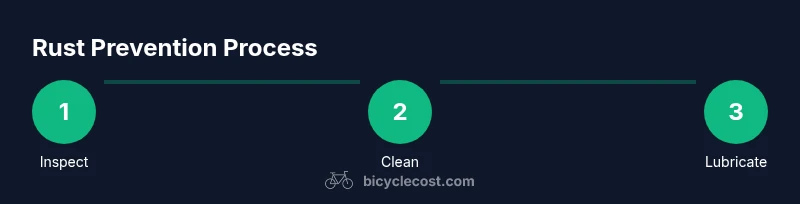
A proactive rust-prevention routine combines regular cleaning, proper lubrication, and environmental awareness. Clean the chain to remove grime, degrease stubborn spots, and dry completely before applying a protective lubricant designed for bikes. Use a chain scrubber or a stiff brush to reach between links, then apply lubricant precisely to the inner plates as the chain turns. Wipe away excess to prevent dirt buildup, which can accelerate wear. Consistency matters more than intensity; a light, even coat after rides is more effective than a heavy, infrequent application.
Environmental controls and storage tips
Keep the bike in a dry, shaded area and away from direct exposure to rain or salt. If you store outdoors, use a breathable cover and a corrosion-inhibiting spray on metal parts (never on moving joints that require lubrication). After riding in wet conditions, dry the chain and drivetrain promptly. Periodically inspect exposed fasteners and clean any rust stains from derailleur pulleys and sprockets. These practices reduce the exposure window for moisture and grime, extending chain life.
Common mistakes that invite rust
Skipping post-ride cleaning, using heavy grease on a dry, dusty day, or neglecting lubrication after rain are common rust accelerants. Over-lubrication can attract dirt and form a grinding paste, while under-lubrication leaves the metal exposed to oxygen and moisture. Re-using old degreasers or applying solvent-based cleaners that strip all protective film can also hasten corrosion. Avoid metal wool or harsh abrasives that can scratch the chain and create factory-like rust pits.
Choosing lubricants and protective coatings
Select a lubricant appropriate for your riding environment: dry lubes for dusty, dry climates and wetter lubes for rain-prone conditions. For ongoing rust protection, consider wax-based lubricants that stay on the chain longer and attract less dirt. In particularly corrosive environments, light protective coatings or corrosion inhibitors on non-mearing surfaces can provide an extra shield, but they should be compatible with your chain and drivetrain. Always wipe away excess; a clean chain accepts lubrication more effectively.
Tools & Materials
- Clean rag(lint-free, absorbent for drying and wiping excess lubricant)
- Chain degreaser(bike-safe degreaser; avoid harsh solvents)
- Brush or old toothbrush(for scrubbing between links)
- Chain lubricant (dry or wet/wax-based)(choose based on climate; apply sparingly)
- Soapy water or mild dish soap(for initial cleaning if needed)
- Chain wear indicator or ruler(to check wear in later steps)
Steps
Estimated time: 60-90 minutes
- 1
Prepare and inspect the chain
Place the bike on a stand or stable surface. Visually inspect the chain for rust spots, stiff links, and excessive wear. Note areas that look corroded and plan to clean those sections first.
Tip: Use good lighting and wear gloves to protect your hands. - 2
Remove the chain for thorough cleaning (optional)
If you can, detach the chain from the drivetrain using a chain tool to allow full access. If removal is too difficult, loosen the chain to clean in place, focusing on inner plates.
Tip: Mark chain orientation so you reinstall it correctly. - 3
Degrease the chain
Apply chain degreaser and let it sit briefly on dirty links. Scrub with a stiff brush to lift grime from between plates, then rinse if the product allows.
Tip: Work in a ventilated area and avoid splashing on brakes. - 4
Rinse and dry completely
Rinse off any degreaser residue and dry the chain with a clean microfiber cloth. Spin the crank to ensure water drains from the links and air-dry if necessary.
Tip: Do not leave the chain wet; moisture accelerates rust. - 5
Apply lubricant precisely
Apply a small amount of lubricant to the inner plates as the chain moves around the gears. Ensure even distribution; avoid pooling on outer surfaces where dirt collects.
Tip: Rotate pedals slowly to distribute lubricant evenly. - 6
Wipe off excess and inspect
Wipe away any excess lubricant to prevent dirt buildup. Inspect for remaining rust spots and ensure all links move smoothly.
Tip: Excess lubricant can attract grit and wear out the chain faster. - 7
Reinstall and test drive
Reassemble the chain on the drivetrain, shift through gears, and confirm smooth operation. If shifting feels rough, apply a touch more lubricant and wipe again.
Tip: A short test ride confirms even lubrication across the chain. - 8
Seasonal storage prep
Before long-term storage, lightly lubricate and store the bike in a dry, ventilated area away from direct moisture and salts.
Tip: Consider a breathable cover to limit humidity exposure.
People Also Ask
Why does a bicycle chain rust so quickly?
Rust occurs when metal is exposed to moisture and oxygen. Road salt, humidity, and grime strip protective films from the chain, especially after rain or rides in wet conditions. Regular cleaning and lubrication reduce this risk.
Rust happens when water and air meet metal; cleaning and lubricating often prevents it.
Can I ride with a rusty chain?
Riding with a rusty chain is not recommended. Rust indicates corrosion that can weaken links and increase the chance of chain failure. Inspect wear and replace the chain if you notice stiffness or significant rust.
Avoid riding with noticeable rust; it may damage the chain and drivetrain.
What lubricant should I use for rust prevention?
Use a bike-specific lubricant appropriate for your climate. Dry lubes work well in dry, dusty conditions; wet lubes are better for wet weather. Apply sparingly and remove excess.
Choose a lubricant suited to your riding conditions and apply lightly.
How often should I clean and oil the chain?
Inspect the chain after rides, especially in wet or muddy conditions. Clean as needed and lubricate after cleaning or whenever you notice squeaking or stiffness.
Clean and oil after riding in rain or mud or at least weekly in dry conditions.
Is rust always a sign I need to replace the chain?
Not always. If rust is superficial and the chain still moves smoothly without stiff links, you can continue with maintenance. If you notice significant wear or skipped gears, replacement is wise.
Rust isn’t always a failure, but wear and stiffness mean it’s time to check the chain.
Should I degrease before applying lubricant?
Yes. Degreasing removes built-up grime that can trap moisture. After degreasing, dry thoroughly and apply a thin layer of lubricant to inner plates.
Degrease first, then dry and oil for best results.
Watch Video
Quick Summary
- Keep the chain clean and dry to prevent rust.
- Use the right lubricant and wipe off excess after each ride.
- Store the bike in a dry, sheltered location to minimize moisture exposure.
- Regular inspection helps catch rust early before it damages drivetrain components.
- The BicycleCost team recommends adopting a proactive rust-prevention routine.