How to Remove Rust from a Bicycle Chain: A Practical Guide
Learn a practical, step-by-step approach to remove rust from a bicycle chain, assess wear, and restore drivetrain performance with safe cleaning, lubrication, and preventive maintenance.


Learn how to remove rust from a bicycle chain and restore smooth shifting in a few practical steps. This quick guide covers safe cleaning, rust removal methods, lubrication, and aftercare to extend chain life. By following these steps, you’ll prevent further corrosion and maintain drivetrain efficiency.
Understanding rust on bicycle chains
Rust is iron oxide formed when metal parts like a chain are exposed to moisture, oxygen, and sometimes salt or humidity. On a bicycle chain, surface rust can start as a faint film on outer plates or pins and progressively creep into the rollers, pins, and linkages. When caught early, you can often clean and restore the chain to close to its original performance. If rust has caused deep pitting, stiff links, or exposed bare metal, the chain may be nearing the end of its life. According to BicycleCost, rust on a bicycle chain can affect shifting accuracy, increase friction, and shorten drivetrain life if neglected. The key is to distinguish between mild surface rust, which is removable, and more severe corrosion that compromises the chain’s integrity. As you read on, you’ll learn how to evaluate the situation and choose the safest, most effective approach.
Apart from aesthetics, rust can trap grit and debris under the plates, hindering lubrication and accelerating wear. Even when you can partially restore a rusty chain, you should monitor the chain for stretch or wear once you’re done. If the chain keeps rusting after cleaning, if there are many rusty links, or if you notice slipping, replacement is often the best option. A proactive approach—clean early and lubricate properly—helps you ride longer between replacements and keeps your drivetrain running smoothly.
Assessing chain condition and choosing the right method
Effective rust removal starts with a clear assessment of how bad the rust is and whether the chain shows signs of wear beyond surface damage. Look for: dull, rough surfaces along the inner links; stiff or seized links; and any visible pitting or flaking on plates. A chain wearing gauge can help you determine elongation or stretch; if several links show pin wear or if the gauge indicates a high wear level, replacement may be the safer choice. If the chain only has surface rust and the links move freely with no stiff spots, cleaning and lubrication can restore performance. BicycleCost’s guidance emphasizes that rust alone isn’t always a reason to discard a chain, but combined with wear, it often is. Also check the rest of the drivetrain—if rust has spread to cogs or derailleur pulleys, you may need to service or replace more parts.
Always work in a well-ventilated area and protect your eyes and skin when using degreasers or rust-removing chemicals. Before you begin, consider whether you have the time to do a thorough cleaning and lubrication, or if replacing the chain would be more cost-effective in the long run. If you’re unsure, err on the side of caution and start with the least invasive method.
Cleaning methods: from mild to heavy rust
Removing rust varies with its severity. For light surface rust, a simple degreasing and light scrubbing can be enough. Start by fully detaching the chain from the bike so you can access every link. Soak the chain in a biodegradable degreaser for several minutes to loosen oil and corrosion products. Use a nylon-bristle brush to scrub between links and roll the chain to reach tight spaces. Rinse with clean water and dry thoroughly before lubrication. If rust remains stubborn on outer plates, a mechanical scrub with a soft scouring pad or 000-grade steel wool can remove remaining film, but avoid aggressive scrubbing that could scratch metal or damage the finish.
For heavier rust, you may need a dedicated rust-removal product designed for bikes. Apply as directed, then scrub and rinse again. Chemical rust removers can loosen deep corrosion, but they must be followed by thorough drying and lubrication to prevent re-oxidation. After any chemical treatment, inspect each link for functional movement, and pay attention to how the chain sits on the chainring and cassette. If pitting is evident or links feel gritty even after cleaning, replacement is advisable.
Using rust removers and when to replace the chain
Chemical rust removers can be effective for stubborn spots, but they’re not a magic fix. Always follow the product’s safety instructions, work in a ventilated area, and wear gloves and eye protection. After applying a rust remover, scrub again with a nylon brush, rinse thoroughly, and dry completely. Once dry, apply a light lubricant to all moving parts, then wipe off the excess. If the rust has caused irreparable pitting, if links are stretched, or if you notice poor engagement with the gears, replacing the chain—potentially along with worn cassette or chainrings—will restore performance and reduce the risk of future slip or failure.
BicycleCost notes that proper assessment and timely replacement save money and prevent drivetrain damage over time.
Aftercare: lubrication and reassembly
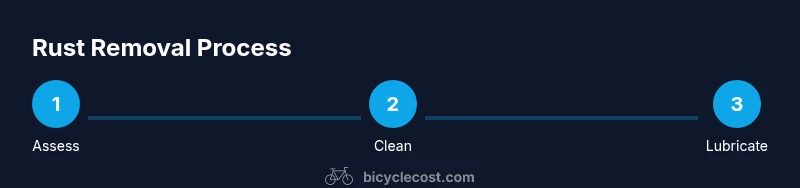
With the chain clean and dry, apply a bicycle-specific lubricant to the inner surfaces of the links. Spin the chain slowly to distribute lubricant evenly, then wipe away excess to prevent dirt attraction. Reattach the chain to the bike, ensuring it loops correctly around the derailleur pulleys and chainrings without binding. After reassembly, test the drivetrain by pedaling slowly and shifting through all gears while the bike is supported. If shifting is jittery or the chain remains stiff, recheck alignment and tension. Regular lubrication minimizes future rust and makes cleaning easier next time.
Remember to wipe moisture from the chain after rides in rain or snow and store your bike in a dry place to slow oxidation. Routine maintenance—cleaning, lubricating, and inspecting—extends chain life and preserves smooth shifting.
Preventing future rust and long-term maintenance
Prevention is easier than repeated rust removal. After cleaning and lubricating, consider applying a light wax-based chain coating or a rust-preventive oil to provide a barrier against moisture. Keep your bike in a dry environment and avoid leaving it wet after rides. Regular maintenance includes quick inspections for rust or corrosion during routine rides, especially after winter storage or coastal rides where salt exposure is common. When possible, clean and lubricate every few weeks or after exposure to rain; more frequent attention is warranted for high-mileage or cross-country riding. A well-maintained chain shifts more reliably, saves energy, and prolongs the life of the entire drivetrain.
Tools & Materials
- Biodegradable degreaser(Fast-acting alternative to solvent-based cleaners)
- Nylon-bristle brush(Avoid metal brushes to prevent scratching links)
- Soft cleaning pad (nylon or fiber)(For stubborn spots without scratching)
- Steel wool (000) or copper scouring pad(Use only for heavy rust on durable finishes; test compatibility first)
- Bike-safe rust remover (optional)(Follow product instructions and ventilation guidelines)
- Rags or microfiber towels(Dry and wipe moisture during and after cleaning)
- Lubricant for bicycles(Choose a light oil or wax-based lube designed for chains)
- Chain tool or master link pliers(Useful if you need to remove the chain for thorough cleaning)
- Gloves and eye protection(Protect skin from degreasers and rust-remover chemicals)
- Replacement chain (optional)(Have a spare on hand if wear or pitting is too severe)
Steps
Estimated time: 45-75 minutes
- 1
Detach the chain for full access
Use a chain tool or master link pliers to separate the chain from the bike. This gives you unobstructed access to every link and reduces the risk of trapping debris during cleaning.
Tip: Take a photo before disassembly to ensure correct reassembly. - 2
Soak in degreaser to loosen rust
Immerse the chain in a biodegradable degreaser. Let it soak for several minutes to soften oil and corrosion, then move the chain to expose all rusted areas.
Tip: Do not soak for too long if your degreaser is concentrated; follow label directions. - 3
Scrub with a nylon brush and gentle pressure
Scrub between links while rolling the chain to reach hidden spots. Use a brush on outer plates and a light touch to avoid scratching metal. Repeat as needed until surface rust lifts.
Tip: For stubborn rust, switch to a soft pad or test a small area first. - 4
Rinse, dry thoroughly, and inspect
Rinse off cleaner with clean water and dry the chain completely. Inspect for remaining rust, pitting, or stiff links. If any link feels gritty or seized, address before lubrication.
Tip: Dry with a clean towel and spin the chain to ensure no moisture remains. - 5
Apply lubricant and reassemble
Apply lubricant to inner surfaces while rotating the chain to distribute evenly. Wipe off excess lubricant and reassemble the chain on the bike, ensuring correct routing over gears.
Tip: Lubricate after wiping; excess lube attracts dirt and shortens life. - 6
Test ride and monitor wear
Gently test shift through all gears and listen for any roughness or hesitation. If the chain shows persistent rust, stiffness, or wear, consider replacement and inspect related components.
Tip: Set a reminder to inspect the chain weekly after cleaning.
People Also Ask
Can I clean rust off a chain without removing it from the bike?
Yes, you can perform a light on-bike cleanup, but removing the chain makes thorough rust removal easier and more effective. For severe rust, removing the chain is recommended to avoid missing spots.
You can clean a bit while it's on the bike, but removing it helps you reach every link for a thorough rust removal.
Is rust on a chain always a sign I should replace it?
Not always. Surface rust can often be cleaned off, but extensive pitting, stiff links, or stretched wear usually means replacement is the safer option for reliable shifting and safety.
Rust doesn’t always mean replacement, but if the chain is heavily worn or pitted, replacing it is the best choice.
What type of lubricant should I use after rust removal?
Choose a bike-specific chain lubricant or wax-based lubricant. Avoid using general purpose lubricants that collect dirt; apply sparingly and wipe away excess.
Use a bicycle-specific lubricant and wipe off the excess for smooth operation.
Can I use steel wool on a rusty chain?
Steel wool can scratch and damage protective finishes and is not ideal for many chains. Use a nylon brush or 000-grade steel wool carefully only on very stubborn rust and test first.
Avoid metal scrubbers unless you’ve tested a small area first; nylon brushes are safer for most chains.
How long does rust removal typically take?
A typical rust removal session takes about half an hour to an hour, depending on rust severity and chain length. Allow extra time if you’re inspecting wear or replacing parts.
Most rust removal takes 30 to 60 minutes, depending on how bad the rust is.
When should I replace a rusted chain?
Replace the chain if you notice ongoing rust after cleaning, visible deep pitting, or significant wear. Replacing early protects the cassette and improves shifting.
If rust returns or the chain shows wear, swapping it out will protect the rest of the drivetrain.
Watch Video
Quick Summary
- Inspect rust early to avoid deeper damage.
- Use the right tools to prevent chain damage.
- Clean, dry, and lubricate for best results.
- Replace the chain if wear or pitting is severe.
- Prevent rust with proper storage and routine maintenance.