How to Check Your Bicycle Chain
Learn a practical, step-by-step method to inspect chain wear, cleaning, and lubrication. This guide helps you prevent drivetrain problems, extend chain life, and maintain smooth shifting with safe, repeatable checks.


Goal: Learn how to check your bicycle chain for wear, stiffness, and lubrication. You’ll need a chain wear gauge, a ruler, degreaser, rag, and lubricant. This quick answer outlines a simple, repeatable check you can perform before every ride to prevent skipped gears and extend chain life. You’ll know when to clean, lubricate, or replace the chain.
Why Regularly Checking Your Chain Improves Ride Quality
Regularly checking your bicycle chain is a foundational habit for any rider who cares about smooth shifts, safe braking, and drivetrain longevity. A worn chain can slip under load, wear sprockets unevenly, and waste energy as you pedal. According to BicycleCost, consistent chain checks help you catch wear before it escalates into costly repairs or unexpected breakdowns. By inspecting wear, stiffness, rust, and lubrication, you gain a clearer view of your drivetrain health and can plan maintenance around real conditions rather than guesswork. Start with a simple routine that you can perform in under a few minutes, then scale up to a full cleaning and lubrication session as needed. The goal is to detect problems early and keep your chain moving quietly and efficiently across gears, without forcing your derailleur or wasting energy on friction. A proactive approach also helps you preserve the life of your chain, sprockets, and chainrings, protecting your investment and maintaining peak performance on every ride.
Signs Your Chain Needs Attention
Chains are designed to endure thousands of cycles, but wear accumulates. Common warning signs include: chains that feel gritty or stiff when you rotate the pedals, visible rust or corrosion, links that pinch or bind, and frequent skipping between gears, especially under load. If you hear unusual creaks or feel that the chain is slipping when you accelerate, inspect further. Shifts become clunky when the chain has stretched or when the sprockets wear unevenly; this is a strong signal that maintenance is overdue. Remember that simultaneous wear of chain and cassette/sprockets can cascade into rapid drivetrain deterioration. If you notice any of these signs, schedule time for a proper measurement and decide whether cleaning, lubrication, or replacement is appropriate. Proactive checks save you money and headaches by preventing chain failure during a ride.
Tools and Materials You’ll Need
Before you begin, gather a few basic tools. A chain wear gauge and a ruler or caliper let you measure stretch. A reliable degreaser and a clean rag remove built-up grease, while bicycle chain lubricant keeps metal parts sliding smoothly. Optional items include a small brush, gloves for hand protection, and a bike stand to make the job easier. Having a stable workspace helps you work safely and precisely, especially when you’re inspecting after cleaning. With these tools on hand, you can perform an accurate assessment and avoid guessing about the chain’s condition.
Step-by-Step: How to Check Your Chain
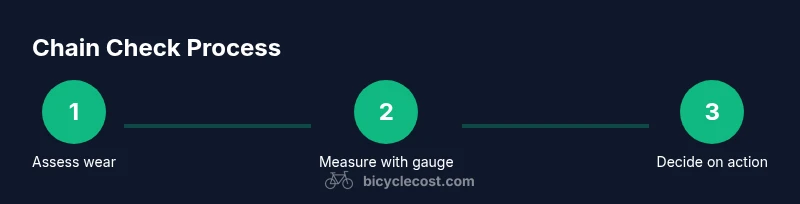
This section outlines a practical sequence you can follow in a single session. Start with a clean chain, then measure wear, assess rigidity, and decide on lubrication and next steps. If you prefer, you can combine certain actions into a shorter check, but a methodical approach yields the most reliable results. Remember to work in a well-lit area and wear gloves if you’re handling strong degreasers. After completing the steps, wipe the chain dry and apply lubrication if needed.
Interpreting Wear Readings and Thresholds
Wear readings tell you how much your chain has stretched. A readable gauge or a ruler can reveal whether the chain has reached a threshold where replacement is advisable. If readings indicate stretch beyond the gauge’s recommended limit, plan to replace the chain to prevent accelerated wear on the cassette and chainrings. Always consider cog wear as well; if your gears show pronounced wear, you might need to replace the whole drivetrain components to maintain smooth shifting. Use wear readings as a guideline, not a rigid rule, and weigh the overall drivetrain condition when deciding next steps.
Lubrication, Cleaning, and Reassembly
After measuring wear, clean the chain thoroughly with degreaser and a rag until it looks uniformly clean. Allow it to dry completely, then apply a thin, even coat of bicycle chain lubricant. Wipe off any excess to prevent attracting dirt. Lubrication reduces friction, prolongs life, and helps maintain consistent shifting. Re-check the chain after a few minutes of riding to ensure it feels smooth and free of squeaks. Regular lubrication paired with timely cleaning keeps your drivetrain performing at its best.
Maintenance Schedule and When to Replace
Create a simple maintenance rhythm: a quick check before rides, a full clean-and-lubricate session after riding in wet or muddy conditions, and a periodic chain wear check using a gauge. Replacement decisions depend on wear readings and overall drivetrain health. If the chain is stretched beyond the gauge’s safe limit or if multiple wear indicators appear across sprockets, replacing the chain (and possibly the cassette) is prudent to avoid further damage. A proactive replacement strategy preserves shifting quality and drivetrain longevity.
Safety and Troubleshooting
Always ride with safe equipment and work in a stable environment. If the chain snaps or directly binds, stop and inspect the area to prevent injury. If you’re unsure about readings, consult a local bike shop or watch a recommended tutorial for confirmation. Never attempt risky repairs while rolling; instead, move to a safe location and re-evaluate.
Final Tips for a Lasting Drivetrain
Consistency is the key. Build a routine that includes quick checks before rides, thorough cleaning after exposure to mud or rain, and timely lubrication to minimize wear. Pair chain maintenance with cassette and chainring inspections to maximize drivetrain life. With steady practice, your bike will shift reliably and feel smoother across every gear.
Tools & Materials
- Chain wear gauge(Allows quick reading of chain stretch)
- Ruler or caliper(12-inch ruler with millimeter markings or metric caliper)
- Bike degreaser(Dissolves old grease on chain)
- Clean rag(Lint-free for wiping)
- Lubricant for bicycle chain(Dry or wet lube depending on riding conditions)
- Gloves(Protect hands)
- Chain breaker tool (optional)(Only if you plan to remove the chain for advanced checks)
- Bike stand or secure mounting(Keeps hands free and chain at working height)
Steps
Estimated time: Estimated total time: 25-40 minutes
- 1
Secure the bike and set up a clean workspace
Place the bike on a stand or lean it securely where it won’t fall. Wipe the chain and surrounding components so dirt doesn’t contaminate readings. A stable setup reduces motion while you inspect, avoiding accidents and faulty measurements.
Tip: If you don’t have a stand, secure the bike against a wall with a strap to prevent movement. - 2
Degrease and clean the chain
Spray or apply degreaser to the chain, then scrub with a small brush or rag until grease is removed. Rinse with clean water if the degreaser requires it, and dry the chain completely before measuring.
Tip: Work from the inside of the chain to the outside to remove trapped grime; this improves measurement accuracy. - 3
Inspect for stiffness, rust, and kinks
Rotate the pedals slowly by hand and feel for stiff links or any rough spots. Look for rust or corrosion on the plates and pins. If any link binds or shows obvious damage, note it for replacement consideration.
Tip: Use a finger to press each link gently; suspicious stiffness often reveals wear earlier than visual signs. - 4
Measure wear with gauge or ruler
Place the gauge along the chain_links or align the ruler with a few pins to estimate stretch. Compare to the gauge’s published wear limit or the ruler’s marks. Record the reading for future reference.
Tip: For most riders, track wear after several cleanings; repeated checks improve reliability of the trend. - 5
Check drivetrain interaction on gears
With the chain cleaned and dry, pedal through the gears to observe how the chain engages the cassette and chainrings. Skipping, slipping, or poor engagement indicates wear issues beyond the chain alone.
Tip: Shift through all gears slowly to identify any gear-specific trouble spots. - 6
Lubricate and recheck
Apply a thin layer of lubricant to the inner surfaces of the chain, removing excess with a rag. After a brief ride, recheck for smooth operation and any squeaks.
Tip: Avoid over-lubrication; excess oil collects dirt and accelerates wear. - 7
Decide on replacement threshold
If wear readings exceed the gauge’s safe limit or if multiple wear indicators are evident across the drivetrain, plan chain replacement to prevent broader damage.
Tip: When in doubt, consult a bike shop; multiple signs often point to a broader wear problem.
People Also Ask
How often should I check my bicycle chain?
Check the chain regularly, especially after long rides, wet rides, or when you notice rough shifting or noise. Use a simple weekly or per-ride quick check as a baseline, and do a full wear assessment when signs appear.
Check the chain regularly, especially after wet rides or noticeable shifting issues. Use a quick weekly check and a full wear assessment if you hear noise or see wear.
Do I need to remove the chain to check wear?
Not always. A chain wear gauge or ruler can measure wear with the chain on the bike. Removing the chain is only necessary if you’re performing a deeper inspection or changing the chain on a multi-day maintenance day.
You don’t always need to remove the chain; a wear gauge can measure wear on the bike. Remove it only for deeper checks or replacements.
What tools do I need to check wear?
A chain wear gauge and a ruler or caliper are essential. Degreaser, rag, and lubricant are also helpful for cleaning and re-lubing after the check.
You’ll want a chain wear gauge, a ruler, degreaser, rag, and lubricant.
What if the chain is stretched but the sprockets look fine?
If wear is evident on the chain, plan replacement and inspect sprockets for wear as well. Severe chain wear often accelerates sprocket wear, so replacing the chain early can save the rest of the drivetrain.
If the chain shows wear, you’ll likely need to replace it and check the sprockets. Replacing the chain early can save the gears.
Is it unsafe to ride with a worn chain?
Riding with a worn chain can cause slipping and accelerated wear on the cassette. If in doubt, replace the chain or consult a shop before your next ride.
Riding with a worn chain can slip and damage gears. If in doubt, replace it or get a professional check.
How should I time lubrication intervals?
Lubricate after cleaning and whenever the chain shows signs of dryness or noise. In wet climates, check and re-lubricate more frequently, ensuring you wipe off excess.
Lubricate after cleaning or when you hear noise. In wet weather, check more often and wipe off excess.
Watch Video
Quick Summary
- Check chain wear regularly to prevent drivetrain damage
- Use a gauge or ruler to measure chain stretch
- Clean and lubricate after measuring
- Replace chain when wear readings exceed limits
- Inspect cassette and chainrings alongside the chain