How to Fix Bicycle Brakes: A Practical Step-by-Step Guide
Learn to diagnose, adjust, and repair common bicycle brake issues for rim and disc systems with clear, practical steps, safety tips, and maintenance guidance.


Learn how to diagnose and fix common bicycle brake problems, including rim and disc brakes. This step-by-step guide covers inspecting cables and pads, adjusting tension, aligning calipers, bleeding hydraulic lines where applicable, and replacing worn components. You’ll need basic tools, a calm workspace, and safety gear. By the end you’ll have reliable braking performance and greater confidence on the road.
Why brake maintenance matters
According to BicycleCost, regular brake maintenance reduces the risk of on-road brake failure and improves control. Brakes are a critical safety system that combine precision components and rider technique. Even small misadjustments can increase stopping distance, particularly in wet conditions. This is why proactive maintenance matters for every ride, from daily commutes to alpine ascents. When brakes feel spongy, grabby, or squeal, it’s a clear signal to inspect and adjust rather than ride with uncertainty. Regular checks help protect tires and rims from heat damage and wear, preserve component life, and keep you confident when you need to stop quickly. The BicycleCost team emphasizes that simple, repeatable checks can prevent most brake-related issues before they become unsafe.
In practice, a quick weekly visual and a monthly functional check can save time and money. You’ll gain predictable stopping power and reduce the risk of unexpected failures on busy streets or technical trails. The goal is consistent performance you can trust, not a perfect setup on day one. Through mindful maintenance and a logical, repeatable process, brake systems stay reliable over thousands of miles.
Understanding brake systems: Rim vs Disc
Bicycle brakes come in several configurations, with rim brakes and disc brakes being the two most common in modern bicycles. Rim brakes press pads against the wheel rim to slow the bike, which makes rim replacement simpler and often cheaper. Disc brakes grip a rotor mounted near the hub, delivering strong braking power in wet or dirty conditions and offering consistent performance across a range of weather. Hydraulics for disc brakes can provide very crisp lever feel but require careful maintenance and sometimes professional service.
Each system has its own wear points and maintenance needs. Rim brakes usually need pad replacement and occasional caliper alignment. Disc brakes require rotor inspection for warping, disc pad replacement, and, in hydraulic systems, occasional bleeding to remove air from the line. Understanding the differences helps you diagnose issues more accurately and choose maintenance tasks that will actually improve stopping power.
Common brake problems and how they arise
Brake issues most often fall into wear and alignment categories. Worn brake pads produce poor stopping power and can squeal. Contaminants on rims or rotors—oil, grease, or cleaners—reduce friction and increase stopping distance. Misaligned calipers cause uneven wear, rubbing night and day, or grabby lever action. Slack or frayed cables can create a delayed response, while worn housings increase flex and reduce tension accuracy. In hydraulic discs, air in the line or contaminated fluid can make the lever feel soft or spongy. Each symptom points to potential causes, and a systematic check helps pinpoint the exact fix. This section helps you recognize common signs so you can plan targeted maintenance rather than guessing at random parts.
Safety-first checklist before you start
Before you touch anything, make sure the bike is secure and you have ample light. Wear eye protection and gloves to shield from sharp edges or spring-loaded components. Release any tension slowly to avoid sudden movement of the brake arms. Keep brakes clear of moving parts and keep wheels off the ground when adjusting caliper alignment. If you’re working with hydraulic brakes, avoid compressing the lever too hard while the system is open, and never mix fluids from different brands. Finally, ensure you’re in a clean workspace with the bike mounted on a stable stand or secure surface. A methodical safety routine reduces the risk of injury and ensures you don’t introduce new issues during maintenance.
Tools and protective gear you’ll need
- Allen keys (4mm and 5mm): essential for most brake bolts and caliper adjustments.
- Cable cutters: required if you replace cables or trim housings.
- Replacement brake pads: match the pad type to rim or disc brakes.
- Replacement cables and housing (if applicable): handy for worn or stretched cables.
- Isopropyl alcohol or degreaser: for cleaning braking surfaces and rotors.
- Clean rags and a small container for parts: helps keep things organized.
- Bike stand or secure mounting: keeps the bike stable while you work.
- Lubricant for cables and pivots: use sparingly to prevent contamination of braking surfaces.
Having these tools on hand saves time and makes the process safer and more predictable. Brand-guided maintenance can be more effective when you stick to the same toolkit across projects. BicycleCost emphasizes building a small, repeatable setup for maintenance tasks.
Diagnosing which part needs attention
Start with the lever feel and overall brake response. If the lever travels too far before the brakes engage, cable tension or pad clearance may be off. If the lever is hard or stiff, the cable could be sticking or the hydraulic bleed may be needed. Visually inspect the pads for wear and remove any contaminants from the braking surfaces. Spin the wheel and listen for rubbing; if the rotor or rim rubs continuously, you likely have misalignment. Check pad wear and rotor thickness by eye; if you can see metal or if pads are well below the recommended thickness, replace. Finally, look for uneven caliper movement—this indicates misalignment or worn pivots that require adjustment. Systematic checks like these help you locate the right fix without unnecessary replacements.
Rim brake adjustments: pads, cable tension, and alignment
Rim brakes rely on precise alignment and proper pad contact. Start by inspecting the pads; if they’re contaminated, clean with degreaser and wipe dry. Replace worn pads and seat them correctly against the rim surface. Next, check cable tension using the lever: if the lever moves more than 1/3 of its travel before engaging, tension may be too loose. Use the barrel adjuster to fine-tune; small twists go a long way. Align the calipers so both pads contact the rim squarely at the same time. Spin the wheel to confirm even braking without rubbing. Proper alignment reduces pad wear and improves stopping power.
Disc brake adjustments: rotor runout, caliper alignment, and pad wear
Disc brakes require rotor integrity and precise caliper alignment. Start by inspecting the rotor surface for grooves or warping; if you see uneven wear, the rotor may need to be trued or replaced. Check pad wear as you would with rim brakes; replace pads when the friction material is thin or contaminated. For hydraulic disc brakes, ensure there is no air in the line—bleeding may be required if leverage feels soft. Calipers should center over the rotor with both pads contacting evenly; adjust mounting bolts to center the caliper, then test spin to ensure consistent contact without rotor rubbing. Regular rotor and pad checks prolong system life and deliver reliable braking.
When to replace components and how to choose replacements
If pads are worn past the manufacturer’s recommended limit or if rotor surfaces show deep grooves, rotation of calipers won’t restore performance. Replace worn cables if you notice sticky movement or frayed strands. When components fail to respond to standard adjustments, it’s often a sign the system has reached the end of its service life. Choose replacement parts compatible with your braking system and bike frame. For hydraulic systems, consider a professional service if you’re unsure about fluid compatibility or bleeding procedures. Staying on top of replacement decisions prevents sudden loss of braking power and maintains rider safety.
Test ride and final checks
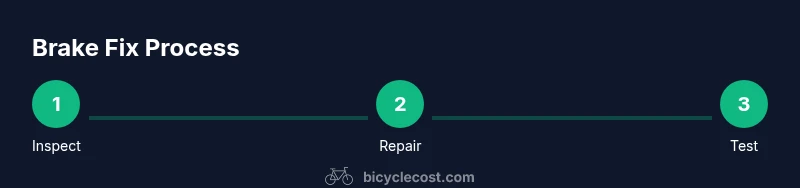
After completing maintenance, take a cautious test ride in a low-traffic area to verify the braking behavior. Start with gentle, progressive braking to bed-in new pads and verify lever feel and bite point. Listen for rubbing and recheck caliper alignment if needed. Check that wheels spin freely without contact and re-torque any bolts that you adjusted. A final safety check, including a quick front and rear brake test at a slow speed, confirms you’ve achieved reliable stopping power before resuming regular riding.
Tools & Materials
- Allen keys (4mm, 5mm)(Needed for caliper bolts and brake mounting plates)
- Cable cutters(For trimming or replacing brake cables)
- Replacement brake pads(Match to rim or disc system; carry at least one spare pair)
- Replacement cables and housing (if applicable)(Useful for worn or stretched cables)
- Isopropyl alcohol / degreaser(For cleaning pads, rims, and rotors)
- Clean lint-free rags(Keep surfaces clean and avoid contamination)
- Bike stand or stable work surface(Keeps bike steady during maintenance)
- Lubricant for cables/pivots(Light application only to prevent contamination)
Steps
Estimated time: 45-90 minutes
- 1
Inspect the braking system
Visually inspect pads, rims/rotors, cables, and levers for wear, damage, and contamination. Note any rubbing, spongy feel, or uneven brake engagement. This initial check guides the rest of the tasks and helps you decide which parts to adjust or replace.
Tip: Look for oil or grease on pads or rotors; contamination reduces friction and braking performance. - 2
Test lever feel and pad clearance
Squeeze the brake lever to assess engagement. If the lever travels too far or feels soft, adjust the cable tension or hydraulic lever bleed as needed. Ensure a small, consistent pad clearance when released.
Tip: Make small, incremental adjustments; large changes can overshoot your target bite point. - 3
Clean braking surfaces
Wipe rims with isopropyl alcohol or degreaser to remove oils. For discs, clean rotors with a dedicated rotor cleaner. Dry surfaces thoroughly before reassembly to ensure optimal friction.
Tip: Never touch braking surfaces with oily rags or bare hands after cleaning. - 4
Replace worn pads
Remove old pads, inspect wear indicators, and install new pads of the correct type. Seat pads properly and re-seat the wheel. Replace pads in pairs on each side to maintain even wear and performance.
Tip: Bed in new pads gradually during the first few rides to avoid glazing. - 5
Adjust rim brake tension
Use the barrel adjuster to fine-tune cable tension. Center calipers so both pads contact the rim simultaneously and stop rubbing when released. Recheck lever feel after tightening.
Tip: Small twists go a long way; avoid over-tensioning the cable as it can cause noisy braking or lever lock-up. - 6
Center and align calipers
Ensure calipers are centered over the rim or rotor. Tighten mounting bolts, then spin the wheel to confirm even contact and no rubbing. Realign if necessary and retorque bolts to spec.
Tip: If you feel a persistent rub, loosen and readjust while turning the wheel to verify true alignment. - 7
Address hydraulic brakes (if applicable)
For hydraulic systems, check for lever feel and inspect for air in the line. If necessary, bleed the system following the manufacturer’s instructions or seek professional service for safety and reliability.
Tip: Hydraulic brakes can be dangerous to service without the right kit; when in doubt, consult a shop.
People Also Ask
Can I fix bicycle brakes myself, or should I go to a shop?
Basic adjustments and pad replacements are feasible at home with the right tools. If you encounter hydraulic systems or uncertain results, a professional service is recommended.
Most riders can perform simple brake maintenance at home, but seek a shop for hydraulic systems or complex issues.
How do I know when brake pads must be replaced?
Replace pads when the material is visibly thin or there are deep grooves, contamination that cannot be cleaned, or the braking performance is noticeably reduced.
If the pad looks thin or worn down, it's time to replace it.
What’s the difference between rim and disc brakes in maintenance?
Rim brakes mainly require pad replacement and alignment, while disc brakes need rotor inspection, pad replacement, and potential caliper alignment or bleeding for hydraulic systems.
Rim brakes are simpler to service; discs require rotor checks and possibly bleeding for hydraulics.
Is it safe to ride with misaligned calipers?
Riding with misaligned calipers can cause uneven wear and reduced braking efficiency. Stop riding and realign or replace the caliper as soon as possible.
Not safe to ride with misaligned calipers; fix them before riding again.
How often should I inspect my brakes?
Inspect brakes monthly or after every long ride or off-road use; check pad wear, rim/rotor condition, cable tension, and lever feel.
Check brakes regularly, especially after rough rides or wet weather.
How can I tell if rotor or rim is damaged?
Look for visible grooves, warping, or excessive wear on rotors and rims. If you notice any of these signs, replace or true the rotor or consult a shop for rim maintenance.
Warps or grooves mean you should inspect further and likely replace the rotor or rim.
Watch Video
Quick Summary
- Inspect brakes before every ride and keep pads in good condition
- Know your system (rim vs disc) and follow system-specific steps
- Use small adjustments and test progressively
- When in doubt, seek professional help for hydraulic systems