How Much Does a Bicycle Tune-Up Cost? A Practical Guide
Discover how much a bicycle tune-up costs in 2026, including basic vs. comprehensive services, regional variations, and practical tips to save money on maintenance.


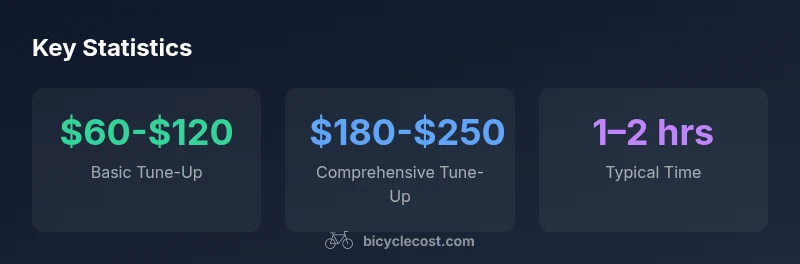
On average, a basic bicycle tune-up costs about $60 to $120, while a more thorough visit can run roughly $150 to $250. Prices vary by shop, region, and the exact services included. For the most accurate quote, ask for a detailed breakdown of what’s covered and any possible add-ons before you commit.
Understanding what a tune-up covers
When you ask how much does a bicycle tune up cost, you’re really asking what services are included and how those tasks translate into labor time. A typical basic tune-up covers drivetrain lubrication, brake and shifting adjustments, tire inflation, chain inspection, and a safety check. A more thorough tune-up adds wheel true/trueing, headset and bottom-bracket adjustment, cable replacement if needed, and a brake bleed for hydraulic systems. The exact scope varies by shop, but most reputable mechanics bill by service level rather than a flat hourly rate. According to BicycleCost, the cost reflects both the technician’s time and the risk mitigated by preventive maintenance. By understanding what’s included, you can better compare quotes and decide if a particular service matches your bike’s condition.
As you consider costs, remember that the phrase how much does a bicycle tune up cost is asking for a snapshot of what’s included and what it takes to restore optimal performance. A well-structured tune-up minimizes the chance of expensive repairs later and keeps components running smoothly for longer.
Factors that influence price
Pricing is rarely a single number. It’s shaped by service level, labor rates, shop type, and regional demand. Independent mobile mechanics may charge differently than a full-service shop with overhead. The bike’s condition matters too: a bike with seized cables, corroded parts, or hydraulics that require bleeding will push costs higher. Seasonal demand can also affect availability and pricing. In general, you’ll see clear price bands for basic, mid-level, and comprehensive tune-ups, with add-ons priced separately. The BicycleCost analysis highlights that the biggest drivers are labor time and parts replacement needs, not just the act of tuning itself. If you’re dialing in a budget, start with a basic baseline and add items only as needed.
How to estimate your local cost
To estimate locally, start by contacting a few shops for itemized quotes. Provide your bike make and model, last maintenance date, and a description of symptoms (if any). Ask specifically for what is included in the basic tune-up versus what would be considered a full service. If the shop offers a printed checklist, request it; it will show you exactly which tasks are included, such as chain inspection, cable adjustments, or wheel truing. If you want to understand how much does a bicycle tune up cost in your area, compare the same scope of work across several providers to avoid sticker shock. Don’t forget to inquire about any diagnostic fees or shop minimums that might apply.
Choosing between shop types
Shop type influences price and service levels. A neighborhood bike shop often provides high-touch service, flexible scheduling, and transparent pricing, sometimes with loyalty discounts. Big-box retailers or chain bicycle stores may offer lower base prices or bundle deals, but the service may vary in depth. Mobile tune-up services add convenience but can have higher travel fees. In all cases, ask for a written estimate that breaks down labor, parts, and any environmental or disposal fees. The goal is to understand the value you receive for the cost and align it with your bike’s needs.
DIY vs Professional tune-ups
DIY can save money but requires tools, time, and a basic safety margin. If you enjoy maintenance tasks and have the right tools, you can perform routine checks such as lube, brake adjustment, and tire inflation between professional visits. However, some tasks—like bearing service, bottom-bracket or headset adjustments, and hydraulic brake bleeding—are best left to pros to avoid safety risks. For most riders, a professional tune-up every 6–12 months (depending on use) is wise, while DIY can cover interim upkeep. Balance your confidence with safety and the complexity of your bike.
How to read a service quote and save money
A clear, itemized quote helps you see where the cost comes from. Look for sections like labor, parts, and shop fees. If a quote lumps items together, ask for a breakdown so you can identify optional upgrades versus essential work. To save money, combine tune-ups with regular maintenance tasks, plan off-season visits when demand is lower, and consider a maintenance package that covers several visits a year. Negotiating a price for bundled services can also yield meaningful savings over time. Remember to verify warranties on parts and labor and to keep records for future service planning.
Regional differences: urban vs rural shops
Prices can differ significantly by geography. Urban shops may incur higher rents and wages, reflected in labor rates, while rural shops may offer more competitive pricing. Access to skilled technicians and demand for specialized services can also drive price differences. If you’re in a city with high service demand, you might experience premium pricing, but you may benefit from faster turnaround and more robust diagnostics. Rural shops can provide excellent value, especially for routine maintenance, though scheduling may be less flexible. The key is to compare apples-to-apples quotes and verify what’s included in each service level.
Maximizing the value of your tune-up over time
A tune-up is one element of an ongoing maintenance plan. Protect your investment by cleaning your drivetrain regularly, keeping tires inflated to recommended pressures, and inspecting braking performance every few rides. Log maintenance dates and service notes to track wear patterns on components like chains and sprockets. When you combine routine checks with periodic professional tune-ups, you extend component life and reduce the risk of sudden failures. The result is safer riding and more reliable performance over the bike’s lifespan.
Service-level cost ranges for bicycle tune-ups
| Service Level | Typical Cost Range | What’s Included |
|---|---|---|
| Basic tune-up | $60-$120 | Lube, brake/shift inspection, tire inflation, chain check |
| Standard tune-up | $120-$180 | Includes basic plus cable adjustments, wheel true, minor adjustments |
| Comprehensive tune-up | $180-$250 | Everything in Standard plus parts inspection and minor replacements |
| Specialized tune-up | $250+ | Hydraulic bleed, bearing service, or major parts overhaul |
People Also Ask
What is included in a basic bicycle tune-up?
A basic tune-up typically includes lubrication, brake and shift adjustments, tire inflation, chain inspection, and a safety check. It focuses on wear-free components and does not replace parts unless needed. Always ask for a checklist to confirm inclusions.
A basic tune-up covers lubrication, brakes and shifts, inflation, and safety checks. Ask for the checklist to confirm what's included.
Why do tune-up costs vary by region?
Regional costs reflect labor rates, overhead, and demand fluctuations. Urban areas often show higher prices due to living costs, while rural shops may offer lower rates. Compare quotes from several shops to understand the range in your area.
Prices vary because of labor rates and local demand. Get several quotes to gauge your area’s range.
Can I get a price quote over the phone or online?
Many shops offer quotes over the phone or online, but complex issues may require an in-person assessment. For accuracy, ask for an itemized estimate and a written breakdown before approving work.
Yes, many shops quote online, but complex issues may need an in-person check. Always request a detailed written quote.
Is a tune-up worth it for a rarely used bike?
Even rarely used bikes benefit from tune-ups to prevent rust, seized components, and safety risks. A light annual or biannual inspection can prevent bigger, costlier problems later.
Even if you ride infrequently, a tune-up helps prevent rust and safety issues. A light yearly check is usually a good idea.
How often should I tune up my bicycle?
A common guideline is every 6–12 months for typical riders, more often for high-mileage or rainy climates. Your annual ride frequency and storage conditions should guide timing.
Most riders should plan a tune-up every 6–12 months, more often in harsher conditions.
Are parts replacement costs included in tune-ups?
Parts replacement is usually not included in a basic tune-up. If wear is detected, shops will quote parts and labor separately. You can opt for bundled packages that include periodic replacements.
Parts replacements are often quoted separately unless you choose a bundled package.
“A well-timed tune-up safeguards safety, reliability, and performance, and the price reflects the labor, expertise, and parts involved.”
Quick Summary
- Define your service level to estimate cost.
- Ask for itemized quotes for clarity.
- Plan regular maintenance to extend bike life.
- Compare like-for-like services across shops.
- Look for bundled maintenance options to save money.