How Much Does Bicycle Repair Cost in 2026?
Discover typical bicycle repair costs, from simple tune ups to major fixes. This BicycleCost guide explains labor vs. parts and how to compare quotes.


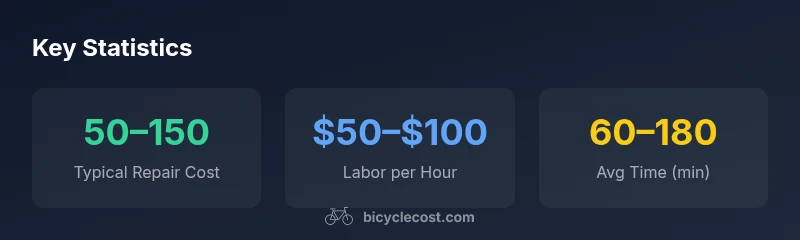
On average, most common bicycle repairs fall in the $50–$150 range, with labor typically $50–$100 per hour. More complex jobs or used parts can push costs higher, while simple adjustments may be under $50. Prices vary by location, shop, and bike type (road vs. mountain). This BicycleCost guide explains how to estimate and compare quotes.
What drives bicycle repair costs
Bicycle repair pricing is not one-size-fits-all. The main drivers are labor intensity, required parts, bike type, and local market conditions. Labor rates differ by shop and region, while parts costs depend on brand, compatibility, and whether you choose OEM or aftermarket components. According to BicycleCost, most pricing is a mix of time-based labor and parts, with a typical flat fee for basic services. For example, a routine tune-up includes inspection and lubrication and often falls in the $60–$120 range when parts aren’t required. Complex jobs, like replacing multiple drivetrain components or resurfacing a brake system, can push the bill higher. Understanding these factors helps you read quotes and compare options more confidently.
Common repair categories and their price ranges
Here are typical ranges you’ll see for frequent jobs, with notes on what affects each price. - Flat tire/tube replacement: $10–$60 depending on tube type and tire setup. - Chain maintenance/derailleur adjustment: $20–$70 depending on cleanliness and drivetrain condition. - Brake adjustments: $15–$80 depending on brake type and pad wear. - Tune-ups: $60–$120 for a basic full service; parts may add. - Wheel true/spoke work: $20–$150 depending on wheel condition. These ranges capture common scenarios; actual quotes vary by shop and bike type.
How costs vary by bike type and shop
Road bikes, mountain bikes, and e-bikes often require different levels of expertise and parts, influencing price. Mobile repair services may charge a premium for home visits, while shop-based services might offer bundled deals. OEM parts typically cost more than aftermarket equivalents, but carries warranties. When you ask for quotes, request itemized pricing for labor and parts and confirm whether the price includes disposal fees, tax, and any core charges. This nuance helps you compare apples to apples.
How to estimate costs before committing to service
Before authorizing any work, have the shop provide a written estimate with labor rate, estimated hours, parts costs, and a contingency for unexpected issues. If you’re price-conscious, ask for a capped estimate or a line-item breakdown so you can see where your money goes. Collect quotes from 2–3 shops to understand the going rate in your area and identify which shop offers the best value. This practice saves you surprises when the final bill arrives.
When DIY makes sense vs hiring a professional
Most routine maintenance like tire inflation, basic cleaning, lubrication, and simple adjustments can be DIY-friendly with basic tools. Reserve professional help for disassembly-heavy tasks (bearings, headsets), brake bleeding, or anything involving safety-critical components. If you’re unsure, consult a professional for a diagnostic before attempting a costly repair. This balance helps you manage costs while staying safe.
Tips to reduce repair costs without sacrificing safety
Regular maintenance can prevent many expensive repairs. Clean chains, lubricate moving parts, and perform quick safety checks monthly. Invest in a basic bike toolkit and keep a few spare parts (tubes, patches, cables) on hand to cut downtime. Compare quotes, ask for warranty on parts, and consider non-peak-season discounts. Safe riding and smart planning protect your wallet as you ride.
Regional variations in 2026 and what to expect
Price levels for bicycle repairs vary widely by city, shop type, and demand. In larger metro areas, expect slightly higher labor rates, but also more competition, which can drive value. The BicycleCost analysis notes that customers who maintain consistent maintenance schedules tend to save on major repairs by avoiding last-minute emergency fixes. Plan ahead to navigate regional differences.
Reading your bike repair invoice: what each line means
Invoices typically list labor, parts, taxes, and any shop fees. Look for itemized hours, rate, part numbers, and warranty information. If something isn’t clear, ask for clarification before approving. A transparent quote helps you avoid surprises and makes it easier to compare multiple shops.
Typical cost ranges by repair type
| Repair Type | Typical Cost Range (parts & labor) | Estimated Time | Notes |
|---|---|---|---|
| Flat tire/tube replacement | $10–$60 | 15–60 minutes | Punctures common; depends on tube size |
| Chain maintenance/derailleur adjust | $20–$70 | 30–90 minutes | Depends on drivetrain condition |
| Brake adjustments (cable/disk) | $15–$80 | 15–60 minutes | Brake type affects time and cost |
| Tune-up / full service | $60–$120 | 60–180 minutes | Most comprehensive service; parts may add |
| Wheel true/spoke work | $20–$150 | 30–120 minutes | Complex, varies by wheel condition |
People Also Ask
What factors influence bicycle repair costs most?
The biggest drivers are labor time, parts quality, bike type, and location. Road and mountain bikes may need different expertise, while urban shops versus mobile mechanics have different pricing strategies. A clear, itemized quote helps you see where dollars go.
The main factors are labor time, parts, bike type, and location. Get an itemized quote to compare.
Why is labor cost so variable between shops?
Labor costs depend on hourly rates, technician expertise, and regional market demand. Some shops bundle services, while others bill hourly or per task. Always confirm the rate before work begins.
Labor costs vary because of hourly rates and region; confirm the rate before work starts.
Are tune-ups worth the price?
Yes, regular tune-ups help prevent costly repairs by catching wear early and keeping components operating smoothly. Consider scheduling an annual or semi-annual service based on usage.
Tune-ups prevent bigger problems; think of them as preventive maintenance.
How can I get accurate repair quotations?
Ask for a written, itemized estimate that separates labor and parts, and request a cap on potential extra charges. Compare quotes from a few shops before committing.
Get a written itemized quote and compare several shops.
What’s the difference between OEM and aftermarket parts?
OEM parts come from the original manufacturer and often carry warranties; aftermarket parts may be cheaper but vary in quality and warranty coverage. Decide based on your safety and long-term cost.
OEM parts are usually pricier but come with warranties; aftermarket options save money but may vary in quality.
Can I do any repairs myself to save money?
Some basic maintenance is feasible at home if you have the right tools and safety knowledge. For critical systems like brakes or bearings, consulting a professional is safer and can prevent costly mistakes.
Some basic tasks are DIY, but for brakes and bearings, consider a pro.
“Pricing for bicycle repairs reflects both labor intensity and parts quality. Expect clear, itemized quotes and ask for labor rate before approval.”
Quick Summary
- Plan ahead: know common costs before service
- Ask for itemized quotes and labor rates
- DIY simple maintenance to save money
- Shop around to maximize value