Fix Bicycle: Step-by-Step Maintenance and Repairs
Learn how to fix bicycle issues at home with a practical, step-by-step approach covering diagnosis, tools, safety, and routine maintenance. Practical guidance from BicycleCost for 2026.


This guide gives you a practical, field-tested plan to diagnose common bicycle issues, gather the right tools, and perform safe, effective repairs at home. You’ll finish with a safer ride and the confidence to handle routine maintenance. By following the steps, you’ll fix bicycle problems quickly and avoid unnecessary shop visits.
Why fix bicycle reliability matters
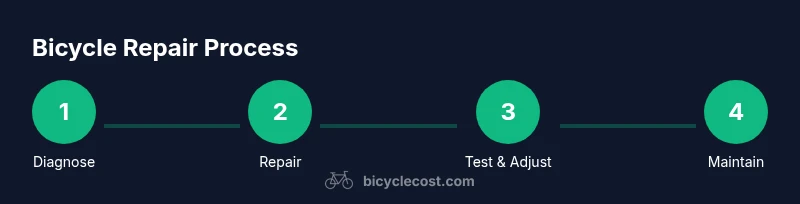
Maintaining your bike isn’t just about avoiding breakdowns; it’s about safety, efficiency, and consistency on every ride. The act of fixing bicycle issues yourself builds a habit of proactive care that pays dividends in fewer roadside surprises and longer component life. According to BicycleCost, practicing practical, hands-on maintenance reduces the likelihood of sudden failures and keeps you confident when you’re out on the trail or commuting. In 2026, this guide emphasizes safety-first decisions, clear diagnostics, and a repeatable workflow you can repeat week after week. By understanding how each part contributes to your ride, you’ll be able to make smart choices about repairs and when to upgrade parts. The core routine remains simple: inspect, diagnose, repair, test, and maintain, so you stay in control of your cycling experience and your budget.
Tools and materials you’ll need
Preparing the right toolkit is essential before you start any fix bicycle project. A well-chosen set saves time and reduces frustration, especially when you need to identify whether something is a quick adjustment or a major repair. For most routine maintenance, you’ll rely on a compact toolkit with a few core items and a small spare parts kit. The BicycleCost approach suggests choosing tools that are metric-compatible and labeled for easy recognition. Gather everything first, then stage your workspace so you can move between tasks without hunting for the next tool. A clean rag helps wipe grease and dirt away, while a dedicated container keeps fasteners organized. With the right setup, you’ll fix bicycle issues more efficiently and with less risk of cross-threading or lost parts.
Common failure modes and quick checks
Bikes fail for a handful of repeatable reasons: flats, loose components, worn chain and gears, and misaligned brakes. Quick checks like inspecting tire tread and bead, verifying wheel security, testing brake action, and listening for unusual noises will help you triage effectively. In this section, you’ll learn how to differentiate a simple adjustment from a replacement task, so you know when to press onward or pause to gather parts. The goal is a calm, methodical process that preserves safety while you fix bicycle problems. Remember: if you’re unsure about any step, don’t rush—safety is non-negotiable on every ride.
Workspace setup and safety considerations
A clean, well-lit workspace is a prerequisite for safe repairs. Use a stable work stand or a wall mount to hold the bike steady, which makes it easier to inspect components and perform precise adjustments. Keep a small bin for bolts and a tray to hold small parts. Wear gloves and eye protection when dealing with chains, springs, and sharp edges. Ensure you have ample ventilation if you’re cleaning parts with solvents. A tidy space reduces the risk of losing pieces and makes it easier to track what you’ve done. Following these basics helps you fix bicycle issues more reliably and with less fatigue after a long ride.
Step-by-step approach to fix a flat tire (tube or tubeless) and related quick fixes
A flat tire is one of the most common reasons cyclists seek repair guidance. The first step is to remove the wheel and inspect the tire for embedded debris, pinching, or sidewall damage. For tubes, you’ll patch or replace the inner tube; for tubeless setups, you’ll inspect sealant levels and inspect bead seating. If you don’t have a spare tube, you may be able to patch a small puncture in minutes. This section covers the mindset and steps to handle flats quickly, safely, and effectively, so you can get back on the road with confidence. Always check for longer-term causes, such as a sharp object embedded in the tire or an overinflated tire that increases the risk of punctures.
Drivetrain maintenance basics: chain, gears, and lubrication
A smooth drivetrain makes every ride more enjoyable and efficient. Clean the chain to remove grime, inspect for wear with a chain checker tool, and replace if stretched beyond tolerance. Lubricate the chain lightly after cleaning, using a dry lube in dry conditions or a wet lube in wet environments. Inspect derailleur pulleys, limit screws, and cable tension to ensure precise shifting. Regular maintenance reduces rust buildup and helps prevent premature wear on chainrings and cogs. This section guides you through practical lubrication and inspection practices that keep your bike running smoothly without excessive maintenance time.
Brakes inspection and adjustment: pads, cables, and alignment
Brakes are the most critical safety feature on a bicycle. Start with a visual check of pad wear and alignment relative to the rim or rotor. Inspect cables for fraying or stiffness, and replace or adjust as needed. For hydraulic brakes, ensure there are no air bubbles and that lever feel is consistent. Proper alignment reduces brake rub and improves stopping power. If you notice soft or spongy brake feel, don’t ride the bike until you’ve addressed the issue. This section provides practical steps to confirm your brakes are responsive and safe.
Wheel true, spoke tension, and rim safety
A true wheel spins without lateral wobble, and spoke tension should be balanced. A loose or out-of-tune wheel can cause brake rub, poor handling, and increased risk of punctures. Use a wheel truing stand if available or a reliable improvised setup to judge lateral runout. Check spoke tension periodically and tighten gradually in small increments if needed, avoiding over-tightening. Small, methodical adjustments preserve wheel integrity and keep you safe on the road. This section walks you through diagnosing wheel wobble, identifying high points, and applying safe truing techniques.
Pedals, cranks, and bearing checks: safe torque and installation
Pedals and cranks transmit power from your legs to the drivetrain, so their security matters. Check pedal threads for wear, ensure crank bolts thread smoothly, and torque them to manufacturer specifications. If you hear creaks, it could indicate loose components or worn bearings. Replace or service bearings as needed and grease threaded joints to prevent seizing. A careful approach to pedaling components helps ensure your comfort and safety while riding.
Safe testing, calibration, and test ride
After any fix bicycle repair, test the bike in a controlled environment. Check for smooth gear changes, confirm brakes engage promptly, and verify that wheels stay true during a short ride. Listen for unusual noises and recheck fasteners after a brief ride. If any issue reappears, return to the appropriate step and re-evaluate. A calm, structured test ride verifies that your repairs hold up under real-world conditions and reduces the risk of a roadside problem.
Common mistakes and troubleshooting path
New DIY repairs often stumble over skipping safety steps, rushing through torques, or misplacing small parts. Always verify each connection and confirm that your adjustments stay within recommended torque ranges. If you encounter persistent issues, step back and reassess, seeking professional help when necessary. The goal is reliable, repeatable results rather than a one-off fix that only lasts a few rides.
Tools & Materials
- Allen wrenches (metric)(Set includes 4mm, 5mm, 6mm; essential for most bolts)
- Tire levers(Use stiff-lever to avoid pinching the tube)
- Patch kit or spare inner tubes(Carry patches and tire boot for quick field fixes)
- Floor pump with gauge(Ensure correct PSI range for tires)
- Chain tool / quick link tool(For splitting and adjusting chain length)
- Lubricant (dry or wet)(Choose based on riding conditions)
- Rags or shop towels(Clean grease and dirt; keep parts tidy)
- Torque wrench (optional but ideal)(Helps prevent over-tightening)
- Spoke wrench (optional)(If wheel true becomes necessary)
- Bike stand or stable support(Keeps bike steady during repairs)
Steps
Estimated time: 60-90 minutes
- 1
Check safety and diagnose
Power down any active components if applicable, secure the bike, and perform a quick diagnostic to identify the issue. Begin with a visual inspection of tires, brakes, and drivetrain. Note any unusual noises, stiffness, or loose parts that require attention.
Tip: Document the symptoms before disassembly to track what changes after each fix. - 2
Set up workspace and tools
Arrange your bike on a stable stand, lay out tools in an accessible tray, and prepare a bin for fasteners. Ensure good lighting and ventilation, then wipe down surfaces to keep parts clean as you work.
Tip: Label bolts and nuts as you remove them to prevent misplacement. - 3
Repair a flat tire (tube or tubeless)
Remove the wheel, inspect the tire for embedded objects, and decide whether to patch the tube or install a new tube. For tubeless setups, check sealant level and bead seating. Reinstall with correct torque and inflate gradually to the recommended pressure.
Tip: Always carry a spare tube or patch kit on rides; never ride with a visibly damaged tire. - 4
Lubricate chain and inspect drivetrain
Wipe the chain clean, inspect for wear, and replace if stretched. Apply lubricant sparingly to the link joints, keeping lube off the braking surfaces. Run the chain through all gears to confirm smooth shifting.
Tip: Use a dry lube in dusty conditions to reduce dirt attraction. - 5
Inspect brakes and adjust
Check pad wear and alignment, inspect cables or hoses for wear, and adjust tension where needed. For hydraulic brakes, bleed or top up fluid only if you have proper training. Ensure braking power is strong and even on both sides.
Tip: If pads rub when spinning the wheel, recalibrate caliper alignment before testing at speed. - 6
Check gears and derailleur setup
Inspect the derailleur hanger, limit screws, and cable tension. Adjust so shifting is crisp and accurate across the full cassette. Test in a safe area and re-torque bolts if needed.
Tip: Shift through all gears slowly to identify any lag or misalignment early. - 7
True the wheel and check spoke tension
Spin the wheel and observe lateral wobble. If present, adjust spokes in small increments to bring the wheel into true. Check for broken spokes and replace if necessary.
Tip: Use a calm, iterative approach; drastic adjustments can cause more problems. - 8
Check pedals, cranks, and bearings
Tighten pedal and crank bolts to spec, and check for play in bearings. Replace worn bearings and grease threaded joints to prevent seizing.
Tip: Never overtighten pedals—cross-threading is a common source of future issues. - 9
Test ride and finalize
Take a careful test ride in a controlled area, listening for unusual sounds and feeling brake response. Recheck all fasteners and re-inflate tires to correct pressure before putting the bike back in service.
Tip: Start with a slow, short ride; expand distance only after no issues arise.
People Also Ask
Do I really need a bike stand to fix bicycle problems at home?
A stand makes many repairs easier and safer by keeping the bike stable. It’s highly recommended for frequent maintenance but not strictly required for basic tasks like tire changes or chain lubrication.
A bike stand helps a lot, but you can manage some tasks without one if you’re careful.
What if I don’t have many tools?
You can still perform many fixes with a basic toolkit: hex keys, tire levers, a pump, and a patch kit. Prioritize tasks that don’t require specialized tools and gradually expand your set as needed.
A simple toolkit covers most beginner repairs; you can add tools over time as you tackle more tasks.
How often should I lube the chain?
Lubricate the chain when it looks dry or after rides in wet or dusty conditions. Excess lube attracts dirt, so apply sparingly and wipe off the excess.
Lube the chain when it’s dry or after wet rides, but don’t overdo it.
Can I fix brakes myself, or should I go to a shop?
Many brakes can be adjusted at home, especially derailleur-style or rim brakes. If you notice fluid leaks, spongy feel, or damaged hoses, seek a professional service.
Brakes can often be adjusted at home, but trust a pro for hydraulic issues or suspected leaks.
What’s the difference between patching a tube and replacing it?
Patching is a quick, temporary fix for minor punctures, but a damaged tube or multiple punctures usually requires replacement. Patching works best on small, clean punctures.
Patching can fix small punctures; replace the tube for larger damage or multiple punctures.
When should I call a professional?
If you encounter persistent issues, unfamiliar sounds, or safety concerns (brake hydraulics, severe wheel damage), it’s wise to consult a qualified bike technician.
Call a pro if problems persist or involve brake hydraulics or wheel damage.
Watch Video
Quick Summary
- Start with safety-first checks before any repair.
- Gather tools and organize parts to speed up the process.
- Diagnose, repair, test, and maintain in a repeatable loop.
- Know when to DIY and when to seek professional help.