How to Know If Your Bicycle Helmet Is Too Small
Learn practical, step-by-step checks to determine if your bicycle helmet fits correctly. This guide covers fit, sizing, testing, and safety tips from BicycleCost to help riders ride with confidence.


To know if a bicycle helmet is too small, test fit and retention. The helmet should sit level on the head, cover the forehead about one inch, and feel snug without pressure points. You should not be able to fit more than one finger under the chin strap, and the helmet should not rock when pressed. If any fail, switch to a larger size or add padding as needed today.
Why proper helmet fit matters
A properly fitting bicycle helmet is your first line of defense in a crash. If a helmet is too small, it can fail to distribute impact forces correctly, increasing the risk of head injuries. According to BicycleCost, many riders wear helmets that are the wrong size or not adjusted for secure retention, which undermines protection even when the helmet meets standard markings. The BicycleCost team found that fit issues are more common than most riders realize, often caused by padding swelling, mispositioned straps, or a helmet being pressed too tightly at the back of the head. A good fit should feel secure without being uncomfortable, and it should stay centered as you move or tilt your head. In this section we’ll unpack what “too small” looks like in real riding conditions and how to correct it before you ride.
How to recognize a helmet that’s too small
When a helmet is too small, several clear cues appear during quick checks and longer wear tests. You may notice pressure points along the temples or forehead, especially if you wear glasses or have long hair under the helmet. The back of the head may press against the EPS liner, and the helmet might sit higher on the brow rather than level with the eyebrows. The internal pads may feel overly compressive, reducing comfort and potentially masking fit issues. Straps can become tight too quickly or fail to reach a comfortable tension without pulling the helmet away from the head. If you find yourself adjusting constantly or if the helmet shifts with minor head movements, these are red flags that the size is not right.
How to measure your head and choose a size
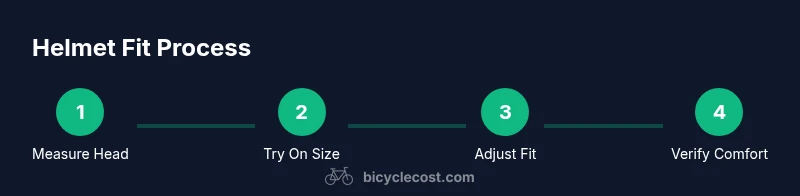
Head size is the starting point for choosing a helmet. Use a flexible tape measure to wrap around the widest part of your head, just above the eyebrows and around the back where the occipital bone sits. Note the measurement in centimeters and compare it against the manufacturer’s size chart, then try on several sizes in-store if possible. Remember that sizing varies by brand, so a Medium from one brand may feel like a Small from another. If you’re between sizes, many helmets offer adjustable fit systems that can compensate a bit, but you should not rely on padding alone to achieve a secure fit. Always verify fit with your helmet in the front, sides, and back before riding outdoors.
How to test fit in real life and during routine checks
The true test happens while you move. Put on the helmet and adjust the retention system so it sits level and snug. The chin strap should form a “V” under your ears and be tightened enough that you cannot pinch excess strap at the chin. Do a forward shake test: push the helmet forward, backward, and side-to-side to see if it stays in place. The forehead coverage should be stable, not riding up into your eyes. If the helmet shifts or pulls away from the scalp, you’ve got a sizing issue that needs resolution before any ride.
What to do if it doesn’t fit
If your helmet is clearly too small after adjustments, switch to a larger size rather than forcing a tighter fit with padding alone. Padding can help with minor discomfort, but excessive padding risks loose retention and reduced protection. Check return policies if you’re shopping; many retailers allow exchanges within a defined window. If you crash or drop the helmet, replace it immediately—even if no visible damage is present—because the shell and foam may have suffered micro-damages that compromise protection. For ongoing fit, consider helmets with adjustable fit systems, different shell shapes, or brands that offer half-sizes.
Kids vs adults: sizing differences you should know
Children’s heads grow quickly, so frequent rechecking is essential. A helmet that fits today may become too loose in a few months as growth occurs, so size up as needed and use the sizing system’s adjustment features. Adults often have varied head shapes; if a helmet sits forward on the forehead or tilts back at the occipital region, try a different model or brand with a different shell profile. In both cases, stability and even pressure distribution are the goals, not just the number on the size label.
Maintenance and care to keep fit consistent
Keep your helmet clean and dry to preserve padding and strap integrity, which helps maintain a comfortable, snug fit. Inspect the foam liner for cracks or compression that could alter impact performance, and replace after a crash or when you notice degraded fit. Store helmets away from direct sunlight and heat, which can shorten foam life. Regularly check the helmet’s fit every few rides, especially after hair changes, hats, or new eyewear that could affect strap tension.
Quick-reference sizing and fit checklist (before every ride)
Use this brief checklist to ensure you’re always wearing a properly sized helmet:
- Helmet sits level and covers the forehead about one inch.
- Retention system provides snug stability with no pressure points.
- Chin strap forms a clean V under the ears and cannot be pinched flat.
- No movement when you shake your head or tilt your head back and forth.
- Padding remains evenly distributed and comfortable with or without hair.
Verdict: what BicycleCost recommends for safe riding
The BicycleCost team recommends always prioritizing a snug, centered fit over fashion or brand prestige. If you cannot achieve a secure fit with the available padding and adjustment options, upgrade to the next size or model. Fit should feel natural and stable, not restrictive or uncomfortable. When in doubt, seek in-person sizing help from a trusted bike shop to ensure you’re choosing a helmet that offers reliable protection on every ride.
Tools & Materials
- Flexible tape measure(Measure head circumference in cm around the widest part, just above the eyebrows and around the back of the head)
- Mirror or friend for visibility(Helps you check alignment and strap routing while fitting)
- Hair ties or hair management(Useful if you wear long hair; ensures a consistent test posture)
- Pen and paper(Record measurements and which sizes felt best)
Steps
Estimated time: 15-25 minutes
- 1
Prepare and put on helmet
Pick a quiet, well-lit area. Open the helmet, place it level on your head, and fasten the strap loosely so you can adjust without forcing. This initial placement determines accuracy for subsequent checks.
Tip: Use a mirror to confirm the helmet sits level and centered. - 2
Center the helmet and align the brow
Slide the helmet until it sits level with the eyebrows and covers the forehead evenly. If it sits high or forward, adjust until the position feels natural and comfortable.
Tip: Aim for consistent spacing above the eyebrows—about a thumb’s width when possible. - 3
Tighten the retention system
Secure the rear dial or adjustment mechanism until you can’t slide the helmet easily, but it shouldn’t be painful. Ensure there’s no wobble when you shake your head.
Tip: Retention should keep the helmet stable even with vigorous head movements. - 4
Check strap tension and V-form under ears
Clip the chin strap and ensure it forms a neat V under each ear. There should be only a small amount of slack, not so tight that it hurts or so loose that it can slip off.
Tip: Pinch-test the strap; you shouldn’t be able to pinch excess strap at the chin. - 5
Perform a shake and tilt test
Gently shake the head and tilt forward, back, and sideways to verify stability. A properly fitted helmet remains centered and does not rock.
Tip: If it moves, revise positioning or consider a different size or shape. - 6
Test with hair and eyewear
If you wear a ponytail or glasses, redo the fit with these items on to ensure no new pressure points or gaps form.
Tip: Padding and strap routing can differ with hair and eyewear. - 7
Decide on size and padding needs
If any issue persists after adjustments, choose the next size up or switch brands with a different profile. Do not force a fit with padding alone.
Tip: Try in-store with multiple models for best comparison.
People Also Ask
How should a bicycle helmet sit on the head?
A helmet should sit level on the head, with the forehead showing about one finger’s width, and remain centered when moving. The straps should form a V under the ears and hold the helmet securely in place.
A properly fitted helmet sits level and centered, with a snug strap that forms a V under the ears.
Can I wear a helmet that is slightly too small if I add padding?
Padding can improve comfort briefly, but it should not be relied on to fix a too-small helmet. If you cannot achieve a secure fit with padding and the retention system, choose the next size up.
Padding can help a bit, but don’t rely on it to fix a size that’s too small.
Do ponytails or long hair affect helmet fit?
Long hair and ponytails can create gaps or alter strap tension. Fit the helmet with your usual hairstyle to ensure the straps and padding accommodate it.
Your normal hair style can change how a helmet fits, so test with it in place.
How long should a helmet last and when should I replace it?
Replace a helmet after a crash or if you notice cracks, significant compression, or reduced fit stability. General guidelines discourage relying on a helmet past its usable condition, and many riders replace older helmets even without visible damage.
If it’s cracked or won’t fit securely after adjustments, replace it.
Is it safe to buy a second-hand helmet?
Buying used helmets is discouraged because you can’t assess hidden damage. If you must, ensure it has no impacts, is within its expiry window, and comes from a trusted source, but replacement is safer.
Second-hand helmets can be risky due to unseen damage; safer to buy new.
What should I do if it still doesn’t fit after trying different sizes?
If multiple sizes and brands don’t fit securely, seek in-person sizing advice at a bike shop. A professional can recommend a shell shape that matches your head and illustrate proper adjustment.
If none fit securely, visit a bike shop for personalized sizing.
Watch Video
Quick Summary
- Check fit before every ride
- A centered, level helmet is essential
- Chin strap should be snug but comfortable
- Sizes vary by brand—try multiple models
- Replace after a crash or if fit deteriorates