How to Bike Without Training Wheels: A Beginner's Guide
Learn how to teach a child or beginner to ride a bicycle without training wheels. Safe steps, proper gear, and practice routines that build balance and confidence.


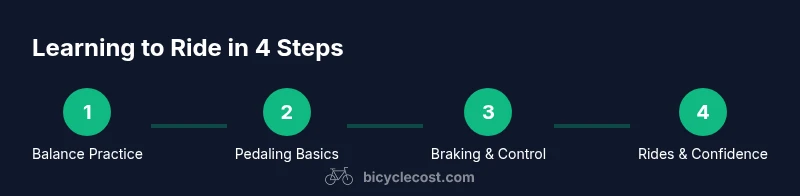
You can teach a child to ride a bike without training wheels by focusing on balance first, then steering and pedaling. Start on a flat, open area with a properly sized bike, a certified helmet, and protective gear. Progress through gentle glides, then short pedal bursts, with steady coaching. According to BicycleCost, patience and consistent, short practice sessions yield the best results.
How balance-first learning works
Balance-first learning focuses on stabilizing the rider's center of gravity before introducing pedaling. In practice, learners practice gliding, steering, and posture with minimal or no pedaling. A child sits on the saddle with both hands on the bars, eyes looking ahead, chest open, and elbows softly bent. The goal is to feel the bike respond to body movement—the bike should lean with the rider's weight and return to upright when balanced.
During early balance sessions, speed is not the focus; control is. Short pushes, then glides of a few meters help build confidence. Coaches emphasize gentle coaching language: 'left, right, smooth, steady' rather than 'pedal now.' The rider learns to balance on both feet and to steer toward safe exits rather than chasing speed. According to BicycleCost, balance-based practice with positive feedback and predictable routines helps learners develop confidence and safety habits more quickly than rushing to pedaling. The BicycleCost Team also notes that keeping lessons positive and quitting a session at signs of frustration can prevent fear from taking root. In other words, the path to pedaling starts with control over balance, then gradual introduction of motion, then the coordinated actions of pedaling and braking. The pace should match the child’s curiosity and readiness, and parents should celebrate even tiny improvements to reinforce progress.
Tools & Materials
- Properly sized bicycle for age/height(The rider should touch the ground with the tip of one or both shoes while seated, and the knee should have a small bend.)
- Certified helmet(Check fit; strap should sit snugly under the chin and the helmet should sit level on the head.)
- Flat, open practice space(Choose a smooth surface away from traffic; grass is tolerable but slower and bumpier.)
- Knee pads and/or elbow pads(Extra protection for new balance sessions.)
- Gloves for grip(Grip and comfort; optional.)
- Water bottle(Stay hydrated during practice.)
- Sunscreen and sun protection(Protection for sunny days.)
Steps
Estimated time: 6-8 hours across multiple sessions
- 1
Assess fit and safety gear
Confirm the bike size fits the rider; check that the helmet fits properly with straps snug and comfortable. Make sure the seat height allows a slight bend in the knee when the foot touches the ground.
Tip: Take 5 minutes to adjust the helmet and seat before you start. - 2
Choose a safe practice zone
Find a flat, quiet area away from traffic with a smooth surface. Remove distractions and ensure weather is favorable. Clear obstacles and avoid slopes at this stage.
Tip: Grass can cushion falls but may slow balance practice; smoother concrete is ideal. - 3
Convert to balance mode
If possible, remove the pedals to create a true balance bike setup. Lower the seat so the rider can sit with both feet flat on the ground or slightly on the ground, depending on their leg length. This allows the rider to focus on balance, steering, and weight-shift.
Tip: If you can't remove pedals, keep pedaling to a minimum and practice gentle glides. - 4
Practice gliding to build balance
Have the rider sit on the seat, push off with feet, and coast for several meters with feet off the ground as balance improves. Encourage looking forward, not down at the wheels.
Tip: Use gentle, steady pushes and celebrate every balance moment. - 5
Reintroduce pedals and build momentum
Reattach pedals and have the rider place feet on pedals during a glide, then push off with a foot to begin pedaling while keeping balance. Focus on a smooth, coordinated motion rather than speed.
Tip: Use a gentle hill or slope to help momentum if available. - 6
Teach braking and stopping safely
Explain how to brake evenly with both hands if available, and practice stopping smoothly. Emphasize looking ahead and preparing to place a foot down to catch balance.
Tip: Ensure brakes are responsive and avoid locking wheels. - 7
Progress gradually to longer rides
Increase distance and duration in small increments across sessions. Maintain a positive attitude and set achievable goals to build confidence.
Tip: Record milestones and celebrate improvements to stay motivated.
People Also Ask
What age is best to learn without training wheels?
There is no exact age. Readiness depends on balance, coordination, and interest. Ensure safe gear and a supportive learning environment.
There's no exact age—balance and interest matter most. Make sure gear fits and the space is safe.
Should I remove pedals first or teach with pedals?
Many parents start with pedal removal to focus on balance; if pedals stay on, emphasize gentle glides and balance drills.
Many teach without pedals first, focusing on balance; if pedals stay, slow and controlled gliding helps.
What if my child falls frequently?
Stay calm, check gear fit, and shorten practice sessions. Return to balance drills when confidence is back.
If they fall, pause, recheck gear, and restart with shorter, balance-focused practice.
How long does learning typically take?
Learning pace varies by child. Regular, short sessions over weeks generally show steady progress.
Progress comes with consistency; expect weeks of practice rather than days.
Can older kids learn without training wheels?
Yes. Adjust the pace, size, and goals to fit older beginners; prioritize safety and confidence.
Older kids can learn too—tailor the pace and safety to their needs.
Watch Video
Quick Summary
- Choose the correct bike size and helmet.
- Prioritize balance before pedaling.
- Keep practice sessions short and frequent.
- Reintroduce pedals gradually as confidence grows.
- The BicycleCost team recommends safety-first, patient practice.