Can We Learn Bike Without Knowing How to Cycle? A Beginner's How-To
A practical, step-by-step guide for beginners who want to learn to ride a bike even if they have never cycled before. Includes safety tips, drills, and progression plans.


Can we learn bike without knowing cycle? Yes—it's doable with a structured plan. You can learn to ride a bike even if you’ve never cycled before. Start with a safe, flat area, a properly fitted helmet, and a patient guide. A progressive focus on balance, propulsion, braking, and steering helps beginners progress quickly while minimizing falls. Plan multiple short sessions across days rather than one long crash course.
Can we learn bike without knowing cycle? A practical kickoff
For many adults and teens, the question can we learn bike without knowing cycle is the starting point of a journey into cycling independence. The good news is that you can develop the core skills of balance, pedal control, steering, and braking even if you've never ridden before. This guide from BicycleCost breaks down a safe, evidence-based approach to learning, focusing on gradual progression, deliberate practice, and safety. You’ll learn how to set up your gear, choose a forgiving practice space, and structure sessions that build confidence without overwhelming you. Throughout, the key is to treat learning to ride as a series of small wins, not a heroic sprint. By the end, you’ll have a clear plan to go from standing over the bike to cruising calmly down a quiet street.
Foundational skills before you roll
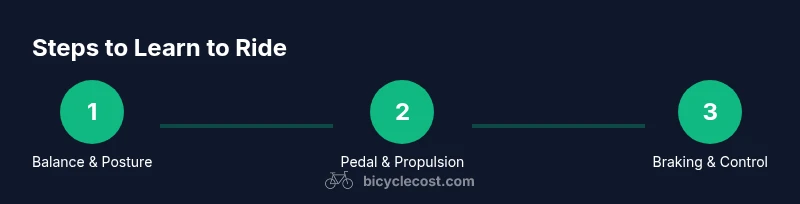
Before you actually move, there are several non-negotiable fundamentals. Balance is the backbone of riding, but it’s closely linked to posture: shoulders relaxed, eyes forward, elbows loose. Braking should be smooth and progressive, not abrupt, so you build confidence rather than fear. Pedal control starts with stationary practice: learn to find the pedals with your feet and practice lifting your feet slightly to simulate propulsion. Finally, braking, steering, and changing speed should be practiced together in simple drills. In BicycleCost’s experience, consistency matters more than intensity—short, frequent sessions beat long, infrequent ones for beginners.
Equipment and bike setup for beginners
Your bike must fit you well, and your helmet must fit your head snugly. Start with a bicycle that allows you to stand over the frame with a small clearance and to place your feet flat on the ground when seated. A properly inflated, low-resistance tire reduces wobble and makes coasting easier. Wear a helmet that meets the safety standard in your country and adjust the chin strap so it sits snugly under your chin. Accessories like gloves, closed-toe shoes, and bright clothing improve grip and visibility. Finally, check brakes, gears, and tires before every session; a quick pre-ride check saves wasted time and prevents mishaps.
A progressive learning path: From stance to stride
Learning to ride is a progression from static balance to dynamic riding. Start by dismounting and straddling the bike, then practice sitting on the saddle with one foot on a pedal at the 3 o’clock position. Push off with that foot and glide for short distances using the other foot for balance. When balance feels natural, introduce the other foot onto the pedal and begin gentle pedaling. Each milestone should feel comfortable before moving to the next, and never rush into traffic until you’ve mastered stopping, steering, and safe distance management. The can we learn bike without knowing cycle question becomes moot as you build a reliable toolkit of motor skills and situational awareness.
Drills you can do on flat surfaces
Flat, smooth surfaces are ideal for initial practice. Drills to build balance: (1) one-foot gliding with both feet off the pedals for short bursts; (2) coordinated pedaling while keeping a straight line; (3) controlled braking to a complete stop. Drills to build confidence: (4) take-your-time mounting and dismounting to avoid unplanned falls; (5) steering practice with marked lanes or taped lines to reinforce straight tracking. Do each drill slowly at first, then increase speed as balance and control improve. Keep sessions short and focused; fatigue is a common trigger for mistakes.
Common challenges and how to fix them
Wobbling and fear are the two biggest barriers for beginners. To fix wobble, lower your center of gravity and look ahead rather than at the front wheel. If you fear steering, practice gentle, wide circles at a safe speed. Fatigue makes errors more likely, so schedule breaks and stay hydrated. If you stall or lose balance, place a foot down and reset rather than forcing a high-stakes attempt. Remember, progress is nonlinear; celebrate small wins to stay motivated.
Building a practice plan and tracking progress
A consistent plan beats marathon sessions. Start with two 20-minute sessions per week and gradually add one longer ride in a safe environment. Use a simple checklist to track milestones: balance, pedal engagement, braking, steering, and the ability to ride in a straight line for 50 meters. Record notes after each session: what felt easy, what caused wobble, and what needs more practice. A regular cadence reduces intimidation and builds muscle memory. If you’re working with a coach or friend, book recurring short sessions to stay accountable. The BicycleCost approach emphasizes gradual mastery over time, not overnight perfection.
Safety considerations and environment
Riding on public roads requires higher skill and caution, so wait until you’re consistently balanced, braking reliably, and comfortable with traffic-free routes before attempting real-world rides. Wear bright, reflective clothing and keep lights if you’ll ride near dusk. Always check weather conditions and avoid wet surfaces until you’ve gained confidence. Teach children or family members nearby about safe distances and signal usage to create a safer learning bubble. Remember that safety is a habit you cultivate through steady practice and thoughtful planning.
Resources and next steps
Beyond this guide, seek local beginner courses or community bike programs if possible. Look up BicycleCost’s practice templates and safety guidelines to customize your plan. For ongoing learning, pair with a friend who can provide feedback and encouragement. As you improve, gradually increase distance and complexity, but maintain a personal safety margin. The journey from unsure to confident rider is rewarding and accessible with patience and consistent effort.
Tools & Materials
- bike(Frame size suited to your inseam; you should be able to stand over the frame with a small clearance.)
- helmet(CPSC-certified helmet that fits snugly with the strap fastened.)
- bike pump(Accurate gauge and correct tire pressure for your bike tires.)
- gloves(Grip and comfort; not essential but helpful for beginners.)
- closed-toe shoes(Flat-soled shoes with good grip.)
- water bottle(Helps with hydration during practice.)
- bike light/reflective gear(Improves visibility in low light.)
- basic repair kit(Patch kit and tire levers for flats.)
Steps
Estimated time: 60-120 minutes
- 1
Choose a Safe Practice Area
Look for a flat, smooth, open space away from traffic, pedestrians, and obstacles. The aim is to minimize risk while you learn balance and basic control. Make sure the surface is dry and free of gravel that can trip you up. A quiet parking lot or empty cul-de-sac works well.
Tip: Pro tip: Have a friend stand by for reassurance and to spot if you start to lose balance. - 2
Inspect and Prepare Your Bike
Check that the brakes engage smoothly, tires are inflated to the recommended PSI, and the seat height allows a slight bend in the knee when the foot is on the pedal at the lowest position. Make sure the handlebars are secure and the quick-release skewers are tight. A quick pre-ride check sets a solid foundation for safety.
Tip: Pro tip: Do a 2-minute test ride near your practice area to confirm everything feels stable. - 3
Adjust Seat and Handlebars
Set the seat so your leg is almost fully extended with your heel on the pedal at the bottom of the pedal stroke. Adjust handlebars to a comfortable reach so your shoulders stay relaxed. This setup helps you balance without overextending or slumping.
Tip: Pro tip: If you ride with a friend, have them watch for any awkward reach or posture. - 4
Mount and Position Your Body
Swing one leg over the saddle and sit, with the pedals level. Keep your elbows soft, chest up, and eyes forward. Place the balls of your feet on the pedals and prepare to push off with the back foot.
Tip: Pro tip: Practice a few gentle, stationary 'pumps' to feel the pedal bite before moving. - 5
Balance Practice: Glide First
Push off with your dominant foot and glide with both feet off the pedals for 2–4 seconds to feel balance. You’re not trying to ride yet—focus on keeping the line straight and your head up. Swap feet and repeat to build confidence on both sides.
Tip: Pro tip: Keep your gaze fixed a few meters ahead to improve balance. - 6
Pedal Engagement and Gentle Riding
Place one foot on a pedal and gently push to start moving, then bring the other foot up. Concentrate on a smooth, even pedal stroke rather than speed. If you lose balance, place a foot down and reset.
Tip: Pro tip: Use a slower, controlled pace so you can react to balance changes. - 7
Braking and Stopping Safely
Practice braking gently to a complete stop in a straight line. Avoid abrupt stops that throw you forward. Once you can stop reliably, experiment with light braking while maintaining balance.
Tip: Pro tip: Practice braking with both hands lightly on the lever area and keep your elbows in. - 8
Steering and Turning Basics
Practice wide, gentle turns in a calm loop. Focus on turning your head and shoulders toward the direction you want to go. Keep your speed steady so you can recover quickly if you drift.
Tip: Pro tip: Look where you want to go, not at your front wheel. - 9
Progression: Longer Sessions
As confidence grows, extend practice time and try small trips in a safe environment. Increase distance gradually and introduce simple routes with mild gradients only when you’re ready. Always stop if you feel unsure.
Tip: Pro tip: Schedule fixed practice days and log your rides to monitor progress.
People Also Ask
Do I need prior cycling experience to begin learning now?
No. The learning path is designed for absolute beginners. Start with balance and basic control in a safe space, then gradually introduce pedaling and braking as confidence grows.
Absolutely not. You can start with balance and control today and build from there.
What gear is essential for a safe start?
At minimum, a properly fitting helmet, a suitable bike, closed-toe shoes, and comfortable clothing are essential for safe practice. Visibility gear is recommended if practicing near low light.
You’ll want a helmet, a bike that fits, and sturdy footwear to begin safely.
How long does it typically take to learn to ride?
Time varies by individual, space, and practice frequency. Most beginners see noticeable progress after several sessions spanning a few days to a few weeks.
Progress depends on practice and space, but you’ll likely gain confidence after a few sessions.
Is it safer to learn on grass or pavement?
Grass can be softer for falls but provides more resistance and can hide hazards; pavement offers smoother surfaces but higher risk in falls. Start on a smooth, flat pavement if available, or a quiet parking lot.
Pavement is usually smoother; grass slows you down but can soften a fall.
What should I do if I fall while learning?
If you fall, stay calm, check for injuries, and slowly stand. Resume practice once you’re ready, with an assessment of what caused the fall to prevent repeats.
If you fall, take a moment to recover, then rejoin practice when safe.
Watch Video
Quick Summary
- Learn through progressive steps.
- Wear proper gear from day one.
- Use short, frequent sessions for steady progress.
- Track your practice to stay motivated.
- Progress safely before venturing on public roads.