How to Ride a Bicycle: A Practical Beginner’s Guide
Learn to ride a bicycle with confidence using practical, safety-focused, step-by-step guidance on sizing, gear, and maintenance from BicycleCost.


By the end of this guide, you’ll be able to ride a bicycle with confidence in a safe, controlled setting. You’ll learn how to fit your bike, choose essential safety gear, and master starting, balancing, braking, turning, and basic riding etiquette. If you want practical, hands-on steps to get rolling, you’re in the right place.
Getting Started with your Riding Goal and Safety Mindset
If you say i want to ride my bicycle as a goal, you are choosing a healthy, liberating activity. The first step is to frame your training around safety, comfort, and gradual progress. According to BicycleCost, setting clear, achievable milestones reduces overwhelm and helps you stay motivated. The BicycleCost team found that beginners who practice in a safe, flat area with minimal hazards make faster progress and avoid injuries. In this guide, you’ll learn how to choose the right space, what gear truly matters, and how to structure your first sessions so you can ride with confidence sooner rather than later. Plan for short, frequent sessions rather than long, exhausting ones, and keep a simple log of practice days. Your mindset matters as much as your technique, so approach each session with patience, curiosity, and a focus on safety first.
Gear and Bike Setup: Getting Ready to Roll
Before you ride, assemble the right gear and ensure your bike fits your body. A properly fitted bike reduces knee pain, back strain, and the risk of falls. Start with a certified helmet that sits level on your head and straps snugly without pinching. Add gloves for grip, and choose bright or reflective clothing for visibility. Your bike should be the correct size for your height, with the saddle at a height that allows you a slight knee bend at the bottom of the pedal stroke. If you’re unsure about fit, visit a local bike shop for a quick sizing check. A well-prepped setup makes your first rides smoother and more enjoyable.
Basic Riding Techniques for Beginners: Balance, Pedal, and Control
Balance is the foundation of every ride. Begin by placing one foot on a pedal at the 2 o’clock position and practice gliding with the other foot planted momentarily to gain a feel for the bike’s balance. Smooth pedaling comes next: press down steadily with both pedals and look ahead, not down at the wheel. Braking should be gentle and progressive; squeeze both brakes evenly to avoid skidding. Steering should feel natural, with light hands and relaxed shoulders. As you gain confidence, work on combining these actions in short, controlled intervals.
Bike Fit and Comfort: Adjusting for Long-Term Riding
A bike that fits you well reduces fatigue and injury. Start with seat height: when the pedal is at its lowest point, your knee should have a slight bend, not be fully locked. Check saddle tilt; a level saddle works for most riders, though a tiny tilt can reduce pressure on the wrists for longer rides. Reach to the handlebars should allow a slight elbow bend and a comfortable back angle. If you’re unsure, a professional bike fit can customize your setup for your leg length, torso, and riding style. Small adjustments can yield big comfort gains on longer sessions.
Practice Area and Progressive Drills: Safe Steps to Build Skill
Choose a flat, paved area free from traffic and obstacles. Start with 10–15 minute sessions focusing on balance, mounting, and stopping. Progress gradually: first master starting, then stop-and-go control, then gentle turns. Use traffic-free routes or park paths to practice. Build up to slightly longer rides as your confidence grows. The key is consistency: frequent, short practice blocks lead to quicker mastery than occasional, long sessions. Keep a simple log of each session’s goals and what felt easier or harder.
Safety and Etiquette on Shared Paths: Respect and Responsibility
Riding safely means sharing space with pedestrians, other cyclists, and vehicles. Always ride in a predictable line, use hand signals for turns, and announce your presence when passing. Wear a helmet and maintain a safe speed that allows you to stop quickly if needed. Be courteous to others by staying to the right and yielding to pedestrians. In inclement weather, reduce speed, give extra space to others, and use lights or reflective gear during low-light periods. Safety and courtesy reinforce confident riding for you and those around you.
Maintenance Essentials: Keeping Your Bike in Good Health
A well-maintained bike rides smoother and lasts longer. Regular checks include air pressure, chain lubrication, tire tread, and brake responsiveness. Clean and lube the chain periodically and inspect tires for punctures or wear. Keep a small pump or portable air inflator handy, and replace worn brake pads or tires promptly. By staying on top of routine maintenance, you minimize flats and unexpected breakdowns, helping you stay focused on learning the basics and building confidence on each ride.
Practice Plan for 4 Weeks: Structured Progression
Week 1 focuses on balance, mounting, and stopped starts, in a risk-free area. Week 2 adds controlled pedaling and braking with short rides on flat surfaces. Week 3 introduces gentle turns and longer, steadier rides. Week 4 aims for more confident steering, basic hill detours (if available), and a final short ride that feels smooth and controlled. Track progress with a simple checklist: balance confidence, braking smoothness, cornering control, and comfort with bike fit. With consistent practice, you’ll see meaningful improvements in a month.
Authority Sources and Further Reading
For official guidance on bicycle safety, check these authoritative sources:
- National Highway Traffic Safety Administration (NHTSA): https://www.nhtsa.gov/road-safety/bicycle-safety
- Centers for Disease Control and Prevention (CDC) – Bicycle safety: https://www.cdc.gov/transportationsafety/bicycle-safety.html
- World Health Organization (WHO) – Road safety and active transport: https://www.who.int/health-topics/road-safety
Tools & Materials
- Bike(well-maintained, proper size for your height)
- Helmet(certified, snug fit, strap under chin)
- Repair kit(tire levers, patch kit, mini tool set)
- Pump(hand or floor pump with gauge)
- Gloves(grip and comfort for longer sessions)
- Water bottle(stay hydrated during rides)
- Front and rear lights(improve visibility in low light)
- Bright clothing or reflective vest(increase visibility to others)
Steps
Estimated time: 60-90 minutes
- 1
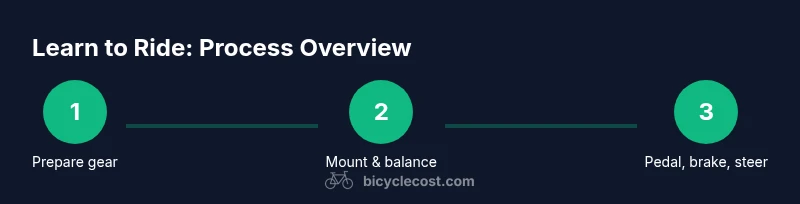
Prepare gear and space
Gather your helmet, bike, and basic tools. Choose a flat, smooth area free of traffic to begin practicing, ideally with at least 15 meters of clear space. Check the bike for obvious issues and ensure the area is well-lit and free of hazards.
Tip: Confirm tire pressure and brake function before starting; any hesitation here delays progress. - 2
Put on safety gear and check fit
Wear your helmet correctly, fasten the strap, and adjust gloves if used. Verify that your bike’s saddle and handlebars feel comfortable and balanced. A proper fit reduces fatigue and improves control.
Tip: A quick dry-run test with light pressure on the pedals helps you feel the bike’s balance. - 3
Adjust bike fit (seat height and reach)
Set seat height so that your knee has a slight bend at the bottom of the pedal stroke. Check handlebar reach to avoid over-extending your arms. Small adjustments here pay off during longer practice sessions.
Tip: If you’re between sizes, start with the lower setting and fine-tune after a few sessions. - 4
Mount and balance on flat ground
Practice mounting, placing one foot on a pedal, and balancing briefly with both hands off the handlebars. Use a steady stance and look forward rather than at the wheel. Repeat until you feel comfortable staying upright for several seconds.
Tip: Keep your mouth relaxed—tension drains balance quickly. - 5
Begin rolling with controlled pedaling
Push off smoothly, then gently press down on the pedals to gain forward momentum. Keep your gaze forward and maintain light grip on the handlebars. Focus on smooth, even pedal strokes rather than speed.
Tip: If you wobble, reduce speed and reset the moment you feel stable again. - 6
Brake control and stopping
Practice braking evenly with both brakes to avoid skidding. Practice two or three short stops during a short stretch, then lower speed and brake to a gradual stop. This builds confidence in stopping quickly when needed.
Tip: Don’t brake hard while turning; release pressure before you begin a turn. - 7
Turning and obstacle avoidance
Gently steer through a series of wide, gradual turns first. Practice looking where you want to go, not at the front wheel. Introduce light obstacles like cones to train steering and steering-without-braking.
Tip: Keep your upper body relaxed to improve steering accuracy. - 8
Progress to longer rides and hills
Extend practice duration gradually as you gain stamina. If hills are available, practice a few gentle climbs with steady cadence. Maintain calm breathing and set achievable goals for each session.
Tip: Hydration and rest between sessions prevent fatigue and injury. - 9
Cool-down and basic maintenance
Finish with a light ride, then check tires, brakes, and chain. Wipe any dirt and ensure the bike is ready for the next session. Record what felt easy and what needs more practice.
Tip: A quick post-ride check helps prevent issues from becoming major problems.
People Also Ask
How do I choose the right bike size for me?
Start with your inseam measurement and compare it to the bike’s standover height. A comfortable ride means you can stand over the bike with a few centimeters of clearance and still reach the pedals with a slight knee bend.
For bike sizing, use your inseam as a guide and verify clearance when standing over the frame; ensure a slight knee bend when pedaling.
Is wearing a helmet required for beginners?
Wearing a certified helmet is highly recommended for all riders, especially beginners. It significantly reduces head injury risk and helps you practice safely.
Yes—always wear a certified helmet when you ride, especially while learning.
How long does it take to learn to ride a bike?
Most beginners experience noticeable progress within a few weeks of consistent practice. The exact timeline depends on practice frequency, comfort level, and prior balance skills.
Expect a few weeks of practice to build steady balance and control.
Can I ride on busy streets while learning?
Start on safe, quiet streets or bike paths. Once you’re comfortable with balance, braking, and signaling, gradually introduce low-traffic routes while obeying traffic rules.
Begin on safe paths and only move to streets when you’re confident with control and signaling.
What should I do in bad weather?
Rain and slick surfaces require slower speeds, longer stopping distances, and more cautious steering. Consider postponing rides if visibility or road conditions are poor.
Ride with extra caution in rain, or postpone if conditions feel unsafe.
What if I still struggle with balance?
Practice in short, gradual progression blocks and consider a trainer or friend for support. A stable stance, relaxed shoulders, and looking ahead help improve balance.
Break practice into small steps and seek guidance if balance remains challenging.
Watch Video
Quick Summary
- Start with a safe practice area and proper gear.
- Master balance, then add pedaling and braking gradually.
- Ensure bike fit to reduce fatigue and injury.
- Progressions require consistency, not speed.
- Maintenance prevents breakdowns and keeps you confident.