How to Ride a Bicycle: A Practical, Step-by-Step Beginner Guide
Learn how to ride a bicycle with a clear, step-by-step plan. This beginner guide covers gear, balance drills, pedaling, steering, braking, and safety tips to build confidence on your first rides.


Learning to ride a bicycle combines balance, coordination, and safe practice. This guide walks you through choosing the right bike, building balance drills, and progressing to pedaling, steering, and braking on flat ground. By the end, you’ll approach your first ride with confidence and a practical plan to stay safe on paths, parks, or quiet streets.
Why learning to ride a bicycle matters
For most people, learning to ride a bicycle opens up freedom, exercise, and easy transport. According to BicycleCost, mastering balance and safe riding builds confidence and reduces the risk of injury during everyday cycling. The skill translates to longer rides, better fitness, and a sense of independence for all ages. In this section, we’ll explore why this skill is worth investing time in and how it connects to practical cycling in daily life, commuting, and recreation. Learning to ride also strengthens coordination, core stability, and spatial awareness, which can make other activities easier and more enjoyable. By approaching practice with a structured plan, you reduce fear, build muscle memory, and create a foundation for safer journeys on bike paths, trails, or urban streets. The journey starts with simple balance drills, proceeds to smooth pedaling, then advances to steering, braking, and navigating real-world scenarios. The goal is progress, not perfection, and every small milestone brings you closer to confident, enjoyable riding.
Choosing the right bike and safety gear
The first step is selecting a bike that fits your body and riding goals. A properly sized frame lets you touch the ground with tips of your toes while maintaining full leg extension when you pedal. Before buying, check standover height, reach to the handlebars, and saddle height; classic sizing guides can help, but the best test is a short ride where you can stand and touch the ground comfortably. Safety gear is non-negotiable: a certified helmet that fits snugly, gloves for grip, and sturdy footwear with a flat sole. Consider knee and elbow protection for beginners, especially during balance drills or if you’re practicing on slopes. Clothing should be close-fitting to avoid snagging; bright or reflective colors improve visibility. If the bike is second-hand, inspect brakes, tires, chain, and gears for smooth operation. A basic repair kit, a pump, and spare tubes ensure you can handle common flats or minor adjustments without being stranded. By pairing the right bike with reliable protection, you set a solid foundation for safe, enjoyable practice.
Understanding balance and stance
Balance is the cornerstone of learning to ride. Start by standing next to the bike first to feel its weight, then sit and place both feet on the ground. Keep your back straight, chest up, and eyes forward to anticipate obstacles. When you’re ready to try, rest one foot on a pedal at the 2 o’clock position and gently push off with the other foot. The goal is to feel a smooth, continuous movement without wobbling. Arms should be relaxed and elbows slightly bent; grip should be light so you can absorb small bumps. A common mistake is looking down at the front wheel; keep your gaze forward, scanning at least 10–15 meters ahead. If you lose balance, return to a stable stance by putting both feet on the ground and re-centering slowly. Practice this stance repeatedly in a quiet area before introducing forward motion. The more you practice balance, the less you’ll rely on the ground for support, and the more confident your first glides will feel.
Starting with balance drills on a gentle slope
A gentle slope reduces the fear of falling and helps you feel gravity’s role in balance. Stand beside the bike, hold the handlebars, and walk the bike to a slight incline if needed. Practice rolling back and forth with one foot on a pedal in the 2 o’clock position, lifting the other foot briefly to feel how the bike responds. Over time, you’ll push off with one foot, glide a small distance, and allow the bike to coast with minimal pedaling. If you want more support, scoot along with both feet on the pedals, pumping your legs to gain momentum while keeping your eyes forward. When a slight incline is not available, practice controlled balance on level ground by using a low-speed, sliding motion to keep momentum. Focus on maintaining a steady breathing pattern, which helps reduce tension and improves control. Patience matters; most beginners need several short sessions to gain reliable balance before pedaling seriously.
Pedaling, steering, and gaining momentum
Once balance feels stable, introduce pedaling while maintaining the same relaxed posture. Start with one foot on a pedal and the other on the ground to push off, then bring both feet to the pedals as you roll forward. Look ahead, steer gently, and keep your body centered over the bike. Pedaling should be smooth and consistent, not jerky; avoid heavy force that unsettles balance. Practice straight-line riding first, then small, gentle curves. If you start to weave, adjust your gaze, move your hips slightly, and let the handlebars follow your natural line. Use small, progressive motions—think of the bike as an extension of your body rather than a separate machine. Try to ride for 20–30 seconds at a time, then pause to assess your balance and breathing before continuing. Turn practice into short sessions across several days to build endurance and refine control.
Braking, stopping, and safety margins
Braking requires sensitivity and timing. Get comfortable with two-finger braking on flat sections before introducing speed variance. Practice braking gradually to come to a smooth stop, leaving a safe distance from imagined obstacles. Remember that the front brake provides most stopping power, but using it alone can cause skidding on loose surfaces; use a balanced mix of front and rear brakes. Practice stopping in a straight line, then in a gentle curve to simulate real-world conditions. Always look well ahead to anticipate corners, pedestrians, or parked cars. If you’re riding with others, leave extra space and communicate clearly with hand signals. Check tires for proper inflation and listen for any clicking or rubbing noises that could indicate a misaligned wheel or loose components. With consistent practice, braking becomes natural and controlled, increasing your confidence during longer rides.
Transitioning to real-world riding: streets and paths
Real-world riding introduces variables like traffic, pedestrians, and surface changes. Start on quiet residential streets or bike paths with low speeds and broad visibility. Position yourself where drivers can see you—usually near the left third of the lane on two-way streets, or in the center of the right lane where legal. Use clear hand signals and make eye contact with drivers at intersections. Dress for visibility, wear a helmet, and ride predictably: smooth accelerations, steady steering, and minimal sudden movements. Pause to check mirrors or look for hazards at intersections. When you encounter roundabouts, yield and choose a safe lane, then continue at a comfortable pace. If you must ride on busy roads, ride with a buddy or use protected bike lanes when available. Always maintain awareness and adapt to changing conditions, including weather, road repairs, and the behavior of other road users.
Troubleshooting common issues and maintenance basics
Even new riders benefit from some light maintenance knowledge. Before each ride, check tire pressure, brakes, chain, and gears. If the chain feels stiff, apply a light lubricant and wipe away excess. Flat tires are common; carry a patch kit and know how to replace an inner tube. Brakes should respond promptly without squealing; if they rub, inspect wheel alignment and brake pads. Tires should have even wear and no embedded objects. Carry a small pump and spare tube for emergencies. Clean the chain after wet rides to prevent rust and rust. Store your bike in a dry place to protect components. Regular inspection prevents breakdowns and helps you ride with greater confidence.
Practice plan to build confidence and endurance
Consistency beats intensity when learning to ride. Schedule short practice sessions two to three times per week, gradually increasing duration and complexity. Start with balance drills and slow, straight-line riding, then add gentle turns and light pedaling. As confidence grows, introduce moderate speeds on flat ground and practice braking at longer distances. Track your progress with simple notes about balance, timing, and comfort level. End sessions on a positive note with a cool-down and a brief reflection about what felt easy and what needs more work. If possible, invite a friend or family member to ride alongside you; social support can boost motivation and accountability. The goal is to reach a consistent, safe riding rhythm that you can sustain over time.
Tools & Materials
- Bike sized to the rider(Proper frame size so you can touch the ground with tiptoes and fully extend legs when pedaling)
- Certified helmet(Snug fit, adjustable straps, and certification label)
- Flat, closed-toe shoes(Non-slip sole for pedal grip)
- Safe practice area (flat, smooth surface)(Open space away from traffic and obstacles)
- Bike pump with gauge(Inflate tires to recommended pressure range printed on tire sidewall)
- Spare inner tube and patch kit(Essential for flats during practice sessions)
- Tire levers(Helpful for removing the tire when changing tubes)
- Gloves (optional)(Improves grip and protects palms)
- Knee and elbow pads (optional)(Adds protection for falls during balance drills)
Steps
Estimated time: 60-90 minutes
- 1
Check gear and bike fit
Put on the helmet and adjust straps for a snug fit. Confirm the bike frame size lets you touch the ground with your toes and that your saddle height allows a slight knee bend when the pedal is at its lowest point.
Tip: Have a friend help verify fit and stability before you begin. - 2
Choose a safe practice area
Find a flat, smooth surface away from traffic and obstacles. Clear the area of debris and wear bright clothing to improve visibility. Make sure there is enough space to maneuver without crossing paths with other people.
Tip: A quiet park pathway or empty parking lot is ideal for beginners. - 3
Check bike components and air pressure
Inspect brakes, tires, chain, and gears. Inflate tires within the recommended pressure range printed on the tire sidewall. Ensure the wheels spin freely without wobble or rubbing.
Tip: If you notice any brake rub, stop and adjust before continuing. - 4
Mount and balance with one foot ready
Stand beside the bike, place one foot on a pedal at about the 2 o’clock position, and keep the other foot on the ground to push off.
Tip: Keep your back straight and eyes forward; avoid staring at the front wheel. - 5
Push off and coast to balance
Push off with the grounded foot and let the bike roll slowly while you feel the balance. Don’t rush to pedal yet; just get comfortable gliding.
Tip: Practice short glides of 5–10 seconds before adding pedaling. - 6
Add gentle pedaling and straight-line riding
Place both feet on the pedals and push smoothly to gain forward motion. Keep a steady posture, gaze ahead, and ride in a straight line first.
Tip: If you waver, correct your balance with gentle weight shifts and look forward. - 7
Steer, then introduce gentle turns
Practice small, gradual turns while maintaining balance. Use your hips and shoulders to guide the bike rather than twisting the handlebars aggressively.
Tip: Look where you want to go, not at the wheels. - 8
Brake and exit safely
Practice gradual braking in a straight line and come to a complete stop in a controlled manner. Dismount safely and repeat the steps to reinforce muscle memory.
Tip: Begin with light braking and progress to moderate braking as you gain confidence.
People Also Ask
Do I need training wheels to learn?
Training wheels can help some learners, but many beginners progress faster by focusing on balance and confidence on two wheels. If you use training wheels, transition gradually to one wheel or none as balance improves.
Training wheels are optional; many learners do best by practicing balance and confidence on two wheels and then transitioning off the wheels as balance improves.
What size bike should I start with?
Choose a bike with a frame size that allows you to touch the ground with the ball of your foot while seated. A professional fitting at a bike shop can help, but the safest rule is comfortable reach to the handlebars and correct saddle height for a slight knee bend.
Start with a bike size that lets you touch the ground easily and keep a small knee bend when pedals are at the lowest point.
Can I learn on sidewalks?
Yes, sidewalks can be a quiet place to begin, but move to bike paths or streets as you gain balance. Stay to the side, watch for pedestrians, and avoid busy curb cut zones where cars may cross.
Sidewalks can be fine for early balance work, but plan to practice on safer paths with fewer pedestrians as you gain skills.
Is a helmet mandatory?
Wearing a helmet is strongly recommended for beginners. A properly fitted helmet reduces the risk of head injury in a fall and should be worn at every practice session and ride.
Yes, wear a properly fitted helmet every time you ride, even for short practice sessions.
How long does learning typically take?
Learning duration varies by person, but most beginners gain basic balance and pedal control after a few focused sessions. Consistent practice accelerates progress more than long, irregular sessions.
Most people pick up the basics after several guided practice sessions; consistency matters more than duration.
What should I wear for safety?
Wear a visible helmet, closed-toe shoes, and bright clothing. Gloves can help grip, and knee and elbow pads provide extra protection during early balance drills.
Wear a helmet, sturdy shoes, and bright clothes; add gloves and pads if you’re practicing balance drills.
Watch Video
Quick Summary
- Start with proper gear and fit.
- Balance is foundational for safe riding.
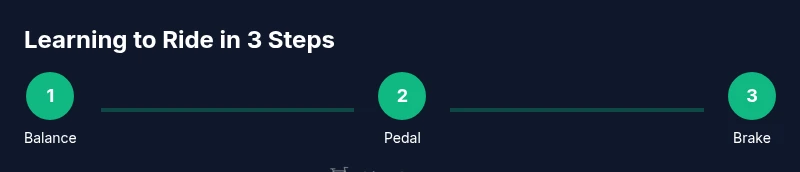
- Progress from balance to pedaling, steering, and braking.
- Practice consistently to build confidence and skill.