Learning to Ride a Bicycle: A Practical How-To Guide
A practical, beginner-friendly guide to learning riding a bicycle safely — from gear and bike fit to balance drills, pedaling, braking, and a progressive practice plan.


Learning to ride a bicycle is a gradual, achievable process. Start with balance drills on a flat surface, then slowly add pedaling and braking in a safe area. Use this guide for a complete step-by-step plan that builds confidence. By following structured practice, most beginners can achieve steady gliding, confident steering, and comfortable road awareness.
Why learning to ride a bicycle matters
Learning to ride a bicycle opens doors to independence, health, and adventure. The skill transcends age and ability, giving people a reliable way to travel short distances, enjoy fresh air, and connect with their community. According to BicycleCost, learning to ride a bicycle empowers people with mobility, confidence, and balance, while also supporting cognitive development in children through practice and safe decision-making. For kids, riding is a rite of passage that builds motor skills and self-reliance. For adults returning to cycling, it reclaims independence and provides a practical fitness routine. Beyond sheer enjoyment, regular cycling reduces stress on joints, supports cardiovascular health, and fosters a sense of mastery when goals are achieved. The mindset behind successful riding combines patience, progressive challenges, and a cooperative approach with a training partner or coach. This section explores the why behind the practice—not just the how—because understanding purpose makes consistent training more enjoyable and sustainable. A well-structured learning plan acknowledges potential fears, weather, gear, and time constraints, turning them into predictable steps rather than obstacles. In the following sections, we’ll outline gear, bike fit, balance drills, pedaling coordination, and a weekly progression plan designed for beginners and their supporters. Remember: the journey is personal, and every small improvement adds up to a longer, fitter, and more confident ride.
Safety gear and setup basics
Safety starts before you step on the bike. A properly fitted helmet is non-negotiable; it should sit squarely and chin strap snug. Add knee and elbow pads for beginners, and bright clothing or reflective elements for visibility. Before every ride, perform a quick safety check: brakes, tires, chain, and quick release levers. On the bike itself, ensure the seat post and handlebars are secure and that tires are inflated to the manufacturer’s recommended pressures. Lighting is essential for dawn or dusk; consider a bike bell and reflectors. Weather can change traction; dry, clean surfaces improve stability. The gear doesn’t have to be fancy; it’s about function. BicycleCost analysis shows that the right gear supports confidence and reduces fear of falling. Choose a low-traffic practice area with a smooth surface—like a closed parking lot or park driveway—before venturing onto sidewalks or shared paths. Hydration and sun protection also matter. Sunscreen and water should be within easy reach. With the right setup, beginners can focus on balance and control rather than fighting equipment.
Choosing the right bike and fit
Selecting a bike that fits your body size and riding goals is foundational. Start with a frame size that allows at least a one-to-two inch clearance above the inseam when standing over the top tube. A properly adjusted saddle and handlebar height reduce knee strain and promote a comfortable riding position. If you’re unsure, seek a quick sizing check at a local bike shop; a professional can verify reach, saddle height, and brake reach. BicycleCost analysis shows that proper bike fit reduces fatigue and increases confidence, which makes practice more enjoyable and sustainable. In addition to frame size, verify tire pressure, brake responsiveness, and quick-release mechanisms before your first session. For learners, a straightforward, quiet space with a smooth surface makes a big difference for building initial balance. If you plan to teach a child, involve them in the sizing process and explain why adjustments matter. A well-fitted bike becomes a reliable partner for weeks or months of safe, progressive riding. Always customize the setup as fitness improves and flexibility changes with age or growth.
Core balance and control drills
Balance is the cornerstone of confident cycling. Begin with a balance-only drill on a flat, open area, keeping feet off the ground as long as possible or using a balance board if available. Progress to placing one foot on the pedal, then both, while maintaining upright posture and soft elbows. Use a wall or railing for support at first, then gradually reduce reliance as balance improves. Visual focus matters: keep your eyes forward, not down at the wheels. Incorporate slow, deliberate movements and gentle turns to familiarize steering. These drills train proprioception, helping you sense weight shifts and pedal pressure without overreacting to wobble. As balance solidifies, introduce gentle pushes off so you can coast briefly with minimal pedal involvement. Consistency matters more than intensity—short, frequent sessions yield better results than long, infrequent practice.
Pedaling, braking, and steering: a coordinated progression
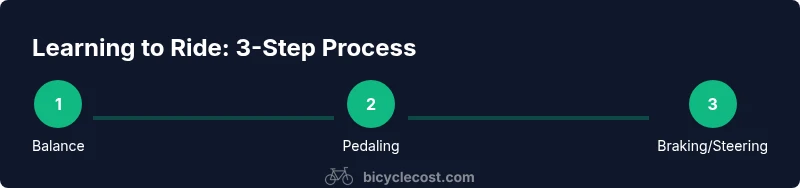
Once balance is steady, begin coordinated riding by adding pedaling. Start with short pushes, then attempt light pedaling while maintaining control. Practice smooth braking on straightaways using both brakes (or the dominant brake, if you have a single-lever setup), focusing on gradual pressure to avoid skidding. Practice gentle corners, keeping your body weight over the bike and looking through the turn. Steering should feel deliberate, with smooth inputs rather than abrupt jerks. Timed practice sessions help with rhythm: warm-up balance drills, then short pedaling bursts, followed by braking and steering drills. The goal is to blend balance, propulsion, and control into a fluid pattern that you can repeat with confidence on familiar routes.
A simple progression plan for beginners
A structured plan keeps motivation high and reduces the risk of plateaus. Week 1 focuses on balance and balance-only glides on flat surfaces. Week 2 adds short pedaling attempts with constant supervision in a safe area. Week 3 introduces braking and controlled turns, staying on quiet, level paths. Week 4 combines pedaling with steering on slightly longer rides, increasing distance by small increments. Throughout, emphasize safe riding habits, such as signaling, scanning the path ahead, and keeping speed within your comfort zone. Track progress with a simple log: date, location, duration, and a note on confidence. A consistent schedule—even two 20-minute sessions per week—tends to produce the best long-term results. For parents teaching kids, celebrate small victories, offer gentle corrections, and maintain a patient, encouraging tone. This phased approach aligns with real-world pacing and helps learners build durable skills that translate to street riding later on.
Maintenance and safe storage after learning
Riding regularly requires straightforward maintenance to keep the bike reliable. After each session, wipe down the frame to remove sweat and moisture, check brakes and tires for wear, and ensure components move freely. Lubricate the chain sparingly and clean the drivetrain to maintain efficiency. Store the bike in a dry, sheltered place to prevent rust and weather damage, and use a kickstand or wall mounts to prevent tip-overs. Regular checks help prevent flats and mechanical failures that disrupt practice. Finally, reinforce safety rituals: inspect equipment before every ride, adjust gear as needed, and replace worn parts promptly. A well-maintained bike reinforces confidence and makes learning enjoyable across seasons.
Tools & Materials
- Bike suitable for learner (size adjusted)(Standover height should allow 1-2 inches clearance; adjustable seat post)
- Helmet(Certified EN 1078 or equivalent; fits snugly)
- Floor pump with gauge(Inflate tires to manufacturer spec before each session)
- Repair kit (spare tube and patches)(Useful for flats during practice days)
- Gloves(Improves grip and comfort; optional)
- Training aids (balance bike or cones)(Helps balance drills on day one)
- Water bottle(Hydration during practice sessions)
Steps
Estimated time: 2-4 hours across multiple sessions
- 1
Prepare and fit the bike
Choose a bike that fits your body size; adjust the seat height so your feet touch the ground lightly when seated. Ensure brakes are working and tires are inflated to the recommended pressure. Use a flat, open space for initial practice.
Tip: Take time to check fit before every practice; a small adjustment can prevent slips. - 2
Mount and dismount safely
Practice mounting from a sturdy stance; keep wheels straight and your body centered. Dismount slowly by stepping off with the same foot that was on the pedal when balanced.
Tip: Keep three points of contact (two hands, one foot or two feet, depending on mounting style). - 3
Balance without pedaling
Coast with feet on the pedals or on a balance bike if available. Focus on keeping your hips over the seat and eyes forward. Practice for 5-10 minutes per session.
Tip: Use a gentle, progressive pace; avoid sudden movements. - 4
Add gentle pedaling
Once balance feels steady, push off and gently pedal for short bursts while keeping steering controlled. Return feet to the ground to stop if you wobble.
Tip: Keep knees softly bent and look ahead, not at the ground. - 5
Brake and steer smoothly
Practice gradual braking with both brakes (or one brake if single-action) on a straight line. Practice turning slightly while coasting to get a feel for steering.
Tip: Brake early and evenly; avoid abrupt stops that throw you off balance. - 6
Increase duration and mild slopes
Gradually extend riding time and try small, gentle slopes in a safe area. Stay on quiet paths with good visibility and low traffic.
Tip: If you wobble, slow down and reset your balance before continuing. - 7
Ride with awareness and progression
Move from flat surfaces to familiar routes with light traffic as confidence grows. Practice signaling, safe passing, and maintaining lane position.
Tip: Never ride beyond your comfort zone; progress at your own pace.
People Also Ask
Do I need training wheels to learn?
Not necessarily. Many beginners learn on two wheels with balance drills; training wheels can help some learners but don’t teach balance on two wheels.
You don’t necessarily need training wheels; many learn with balance drills.
What age is best to start?
Kids can start when they’re curious and steady on their feet; adults can begin anytime with patience and practice.
You can start as an adult or child when ready.
How long does it take to learn?
Learning varies by practice frequency. With regular sessions, you’ll gain basic control in weeks and improve steadily with continued riding.
With regular practice, you can gain basic control in weeks.
What surfaces are safest for beginners?
Flat, smooth, dry surfaces like asphalt or closed parking lots are best for beginners; avoid loose gravel and wet areas until confident.
Practice on flat, smooth surfaces away from traffic.
What if I fall off?
Falls happen. Stay calm, step away from the bike, and reestablish balance. Wear protective gear to reduce risk of injury.
If you fall, stay calm and safely remount after checking balance.
How do I choose a helmet size?
Measure head circumference, try adjustable helmets, and ensure straps hold the helmet firmly without pinching. Recheck fit after adjustments.
Get a helmet that fits properly and strap it correctly.
Watch Video
Quick Summary
- Build balance before pedaling
- Progress gradually with safe spaces
- Choose a bike that fits; adjust seat height
- Practice regularly for better confidence