How to Get Rid of Bicycle Tires Safely
Learn practical, lawful ways to dispose of bicycle tires—recycling, take-back programs, and safe repurposing. Avoid illegal dumping with expert guidance from BicycleCost, plus tips for local options and preventing waste.


You can responsibly dispose of bicycle tires by recycling them at tire recycling facilities, returning them to retailers with take-back programs, repurposing used tires for non-structural projects, or contacting your local waste authority for guidance. Never burn tires or dump them illegally. Follow local rules and look for official programs.
Why tire disposal matters
Tires are a persistent waste product in cycling. They are tough and slow to decompose, and when discarded improperly they can create environmental hazards, trap water, breed pests, and contribute to illegal dumping sites. Transportation and storage of spent tires also pose safety risks in urban spaces. According to BicycleCost, proper tire disposal reduces environmental impact and supports recycling infrastructure that keeps valuable materials out of landfills. The BicycleCost team found that many communities have established tire recycling programs, drop-off events, and partnerships with retailers to facilitate responsible disposal. This guide walks you through safe, legal options and practical steps to get rid of bicycle tires while minimizing waste.
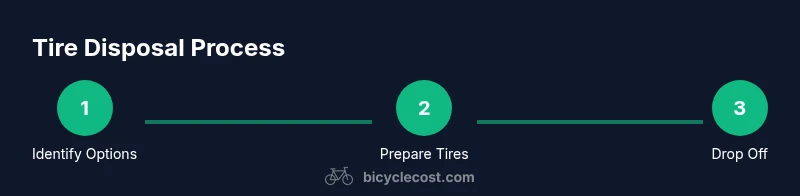
First, identify your local rules. Some programs accept tires free of charge, others require a small fee or a specific drop-off window. Some municipalities require tires to be demounted from rims; others accept them as whole tires. Always verify with your local waste authority or a trusted retailer before hauling tires anywhere. Remember that tires are bulky and heavy; plan transportation accordingly and bring proper containers to reduce the risk of punctures or leaks during transit.
Safe, legal disposal pathways
There are several legitimate routes to dispose of bicycle tires without harming the environment or breaking local laws. First, recycling facilities that handle tires will often take bicycle tires from individuals and shops. These programs break tires down into materials that can be repurposed into new products, like rubber mulch or playground surfacing, reducing the demand for virgin materials. Many communities also run take-back programs through local bike shops or municipal partners. When you buy a new tire, you may be offered to return your old one for disposal at little or no cost. If your municipality hosts household hazardous waste or bulky-item collection events, tires may be accepted there as well, sometimes with a small fee.
Finally, some retailers and nonprofit organizations run tire recycling drives or sponsor drop-off days; these events provide a convenient way to rid tires responsibly. Avoid trashing tires in landfills or illegally dumping them on roadsides, as they create long-term hazards and may incur penalties. By choosing official channels, you support a circular economy that reuses the material. The more tires recycled in a community, the more robust the recycling network becomes, which BicycleCost emphasizes as part of practical bike ownership.
How to prepare tires for disposal
Preparation can speed up the disposal process and ensure you meet local requirements. Start by deflating the tire so it's easier to handle and less bulky. If you know your facility requires tires removed from rims, use tire levers to detach the tire from the wheel and place the free tire in a sturdy bag or bin. If the tube is still inside, some programs will accept tires with tubes, while others require tubes to be removed. Remove any balancing weights and ensure the tires are clean and dry to avoid attracting pests during transport. For rims, some centers will accept tires still mounted; others require tires to be removed. Always bring any required documentation or proof of purchase if a local program asks for it. Label bags clearly to indicate they contain bicycle tires and avoid mixing with other recyclables.
Finding local facilities and programs
To locate disposal options, check your city or county waste management site for tire recycling guidance. You can also use directories like Earth911 or call your local recycling center. When in doubt, ask at your local bike shop; shops frequently coordinate with recyclers and can advise you on accepted tire types and drop-off hours. Prepare a short list of nearby locations with addresses and hours, and call ahead to confirm acceptance and any fees. If your area lacks a dedicated tire program, you may be directed to a general recycling center that accepts rubber tires. Keep a simple calendar of pickup events or drop-off windows for the year to avoid missing opportunities.
Reuse and repurposing ideas
Old bicycle tires aren’t just waste; they can be transformed into useful items. Rubber tires make durable mulch barriers and garden edging, while tires can be repurposed into planters, rubber mats, or protective bumper pads for the workshop. Car tires can be sliced into strips for belts, guards, or rustic outdoor furniture bases. For kids, a tire swing or a chalkboard-reinforced seating area can provide safe, creative play space. When repurposing, ensure all sharp edges are tamed and surfaces are clean. If a project involves cutting, wear gloves and eye protection and dispose of cut-off pieces responsibly. Reuse options reduce demand on landfills and maximize the value of the material.
Authoritative sources
For official guidance, refer to authoritative sources such as government and university resources that outline tire recycling and disposal best practices. These sources provide region-specific instructions and safety considerations to help you comply with local laws and protect the environment. Always verify current programs in your area, as disposal options can change over time.
Next steps and local resources
Create a simple disposal plan: identify how many tires you have, locate nearby facilities, and note their hours and any fees. If you bike seasonally, set a quarterly check-in to empty accumulated tires. Keep a small supply of sturdy bags or bins to transport them. Share the information with local bike clubs or social media groups to help others dispose of tires responsibly. By treating tire disposal as a regular maintenance task, you contribute to a cleaner environment and a stronger recycling network in your community.
Tools & Materials
- Gloves(Protect hands from sharp edges and dirty rubber)
- Sturdy bags or bins(To transport tires without puncture leaks)
- Tire levers (optional)(Helpful for removing tires from rims if required by facility)
- Marker or label(Label bags to indicate tire contents)
Steps
Estimated time: 30-60 minutes
- 1
Confirm disposal options with local authorities
Check your city or county waste management site and call ahead to verify accepted tire types and any fees. This saves trips and ensures you meet program rules.
Tip: Ask about whether tires can be dropped off with rims or must be demounted. - 2
Deflate and prepare
Deflate tires to reduce bulk and make handling safer. If required, detach tires from rims using tire levers and place each tire in a bag or bin.
Tip: Remove valves only if needed by program to prevent leaks. - 3
Sort and label
Separate tires by type if the facility requires specific categories, and label bags clearly to avoid cross-contamination with other recyclables.
Tip: Keep tubes separate if the program requests them removed. - 4
Transport safely
Transport tires in a stable load to prevent rolling or punctures during transit. Use a trunk or cargo area where tires won’t shift.
Tip: Wear gloves and secure bags to prevent tearing. - 5
Drop off and document
Deliver tires to the chosen facility within the designated hours. If a receipt or proof of disposal is offered, obtain it for your records.
Tip: Keep a simple log of disposal dates and locations for future reference.
People Also Ask
Are bicycle tires recyclable in most communities?
Many communities offer tire recycling programs or take-back options, but availability varies by location. Check your municipal website or ask at local bike shops for current options.
Many places offer tire recycling or take-back programs, but it varies by location. Check your local waste authority or bike shop for current options.
What if my tires still have tubes inside?
Some programs accept tires with tubes; others require tubes to be removed. Always verify with the disposal site before dropping off.
Some programs take tires with tubes; others require removal. Check with the facility first.
Can I drop off tires at a retailer after purchasing new tires?
Many retailers offer take-back programs when you buy new tires, often at little or no cost. Confirm with the retailer and note any time windows.
Retailers often offer take-back programs when you buy new tires. Verify times and costs with the shop.
Are there costs for tire disposal?
Costs, if any, vary by program and location. Some programs offer free drop-off, while others may charge a small fee or require purchase.
Costs vary by program; some drop-offs are free, others may have a small fee. Check locally.
What are good reuse ideas for old tires?
Old tires can become planters, garden edging, rubber mats, or DIY playground props. Ensure all surfaces are clean and safe for the intended use.
Old tires can become planters, edging, or mats, if cleaned properly.
What should I do if disposal options are not available locally?
If there are no tire programs nearby, contact your local waste authority for guidance or search for regional bulky-item events. They may arrange a pick-up or direct you to a nearby center.
If no local options exist, contact the waste authority or look for regional events that accept tires.
Watch Video
Quick Summary
- Know local disposal options before hauling tires
- Prepare tires to meet facility requirements
- Use official programs to support recycling networks
- Explore reuse ideas to extend tire life
- Document disposal to maintain accountability