How to Find Bicycle Donations Near Me: A Practical Guide
Learn practical steps to locate bicycle donations near you, prep your bike for donation, and choose reputable programs that put bikes into hands that need them.


This guide helps you locate reputable bicycle donations near you, prepare your bike for donation, and choose the right recipient. You’ll learn how to evaluate options, contact local programs, and drop off or arrange pickup. Before you start, ensure the bike is safe to ride, with functioning brakes, and include any accessories you want to donate.
Understanding the landscape of bicycle donations near me
Finding a meaningful place to donate a bicycle starts with knowing what a donation program looks like in your area. Bicycle donations near me is a common search that can lead to a spectrum of opportunities: nonprofit bike shops, community bike programs, shelters, schools, and city-run reclamation projects. Each program has its own intake rules, refurbishing capacity, and distribution plan. According to BicycleCost, local bike networks thrive on community partnerships and volunteer support, which means your search should focus on organizations with clear missions, transparent acceptance policies, and reliable pickup or drop-off options. Start by adding your city or neighborhood to the search when you look for bicycle donations near me, and then verify which programs refurbish bikes, which redistribute them as-is, and which offer youth or senior programs. If you own more than one bike, note which ones are in the best condition and which could be donated for parts. The goal is to connect with programs that will actually place the bike with a rider in need, not simply collect items.
Choosing reputable programs
Not all donation programs are created equal. When you’re evaluating bicycle donations near me opportunities, prioritize organizations with transparent intake criteria, written mission statements, and a track record of safe refurbishment. Look for programs that provide receipts for tax purposes and can attest to the bike’s safety after inspection. If possible, visit the site or request a brief virtual tour to see how bikes are inspected, repaired, and stored before donation. Reputable programs typically publish guidelines on accepted bikes (age, condition, and whether accessories are included) and offer a clear process for pickup or drop-off. For donors, the quickest way to screen is to verify that the organization is a registered charity or a recognized community program and that they partner with professional mechanics or certified volunteers. When you search bicycle donations near me, also check local policies about liability and safety standards to protect yourself and the recipient.
Preparing your bike for donation
Getting your bike ready increases its value to donors and reduces the amount of processing time. Start by cleaning and inspecting the bike: check brakes, gears, tires, and the frame for cracks. Remove personal items (seat covers with your name, a GPS device, or a bike computer) and include any accessories you’re comfortable donating (helmet, lock, lights). Gather essential documents if the program requires a form or receipt, and wipe down surfaces to demonstrate care and responsibility. If the bike has minor issues (a squeaky chain or loose brake pads), consider addressing these with basic tools (Allen wrenches, tire levers) so the bike can be safely ridden by its new owner. For bikes that are not rideable, confirm whether the program accepts disassembled parts or salvageable components for refurbishment or recycling.
Finding a program near you
To locate bicycle donations near you, use a three-pronged approach: (1) search engines with specific phrases like 'bicycle donations near me' plus your city, (2) visit local bike shops and community centers, which often host donation drives or know about partner organizations, and (3) check municipal or county recycling programs that run bike recycling or donation events. Social media groups and neighborhood newsletters can also point you to pop-up drives or seasonal campaigns. When you contact a program, ask about intake hours, whether they accept bikes in your particular condition, and if they require an appointment. Tracking down reliable options may take a little digging, but it pays off with a smoother donation experience for you and a faster route to a new rider.
The donation process: drop-off, pickup, or mail
Donation options vary by program. Some programs offer curbside pickup for larger bikes or multiple bikes, while others require you to drop off at a designated location. If pickup is available, confirm the date, time window, and whether you or the recipient’s courier needs to be present to sign a receipt. For drop-off, arrive during posted hours and bring any required documentation. In all cases, obtain a donation receipt and keep it for your records. If a program offers tax documentation, ensure you receive a formal acknowledgment of your donation that includes the bike’s description, condition, and approximate value. If you’re donating from a different country, or if the program ships bikes internationally, verify any additional steps or restrictions. By following these steps, you will complete your donation with clarity and confidence and can proudly say you supported a local rider in need.
Tax considerations and receipts
Donations can have tax implications, particularly in the United States and other countries with charitable deduction rules. If you itemize deductions, you may be eligible for a receipt that documents the donation. The exact value depends on the bike’s condition and the program’s policies. Always request a written donation receipt that includes the donor’s name, date, organization, and a reasonable description of the bike donated. If you’re unsure about the tax implications, consult a tax professional or refer to official guidance from government sources such as IRS materials on charitable contributions. Remember, the goal of bicycle donations near me is to place bikes into hands that can use them, not to maximize tax benefits at the expense of donor satisfaction.
How BicycleCost can help and next steps
BicycleCost can help you navigate the donation landscape with practical, step-by-step guidance. We encourage donors to verify program credibility, prepare bikes for donation, and select options that align with their values of safety and community impact. If you’d like, we can tailor a list of local programs by city and provide a quick comparison of intake rules and pickup options. With thoughtful preparation and careful selection of a recipient program, your donated bike can make a meaningful difference in someone’s mobility and quality of life. For more information, explore official resources and trusted local programs, and remember: every donation counts when it comes to strengthening community mobility.
Tools & Materials
- Basic bike repair/tools kit (Allen keys, screwdrivers)(Include sizes commonly used on bikes (e.g., 4, 5, 6, 8 mm))
- Cleaning supplies(Mild soap, water, sponge, and rags for thorough cleaning)
- Documentation for the donation(Donation forms or receipts; bring anything your program requires)
- Optional accessories(Helmet, lock, lights, or pump if accepted by the program)
Steps
Estimated time: 60-120 minutes
- 1
Inspect bike condition
Do a quick safety check: test brakes, gears, tires, and the frame for cracks. Note any issues you can reasonably fix or disclose to the program. This prepares you for an accurate donation description.
Tip: Run the brakes after cleaning to confirm smooth stopping. - 2
Gather required documents
Collect any donation forms or receipts the program requires. If you’re unsure, contact the organization in advance to confirm what to bring.
Tip: Having documents ready speeds up the intake process. - 3
Clean and prepare the bike
Wash the bike and wipe down components. Remove personal items and data. If you must leave parts or accessories, confirm acceptance with the program.
Tip: A clean bike helps volunteers assess condition quickly. - 4
Choose pickup or drop-off
Decide whether the program offers curbside pickup or requires you to drop off. If pickup is available, confirm date, time, and who signs the receipt.
Tip: Schedule during posted hours to avoid delays. - 5
Submit receipt and documentation
Obtain a formal donation receipt and keep copies for your records. Ensure the description matches the bike’s condition and included accessories.
Tip: Double-check donor information to prevent processing delays. - 6
Follow up on impact
Ask the program for a short update on how the bike was used or who received it if available. This helps you see the impact of your donation.
Tip: A quick thank-you note can strengthen future partnerships.
People Also Ask
What counts as a bicycle donation near me?
A bicycle donation is any bike given to a charity or program that will reuse, refurbish, or repurpose it for another rider. Programs vary in what they accept and how they process bikes, so verify intake rules before donating.
A bicycle donation is any bike given to a charity that will reuse or refurbish it for someone in need.
How do I know if a program is reputable?
Check for clear mission statements, intake guidelines, and receipts. Look for transparency about how bikes are refurbished and who benefits from donations. If possible, visit the site or ask for a tour or references.
Look for clear mission statements, intake rules, and transparent refurbishment processes.
Can I donate a bike that doesn’t ride well?
Many programs accept non-rideable bikes for parts or refurbishment. Always confirm acceptance of salvageable frames, parts, or dismantled bikes with the program before bringing it in.
Some programs accept bikes for parts if they aren’t rideable; check first.
Will I get a tax receipt for my donation?
In many regions, donations qualify for tax deductions if you itemize. Request a formal receipt that lists the bike, condition, date, and organization details. Consult local tax guidance if unsure.
You may be eligible for a tax receipt—ask for a formal donation receipt.
What should I bring when I donate?
Bring the bike, any required forms, and evidence of ownership if required by the program. Remove personal data and detritus from the bike and accessories to avoid delays.
Bring the bike, required forms, and remove personal items.
How long does the donation process take?
Time varies by program. Expect 30-90 minutes for a drop-off, or longer if pickup is arranged. Scheduling ahead helps minimize wait times.
Time depends on the program; plan for 30-90 minutes.
Watch Video
Quick Summary
- Identify reputable programs by city and mission.
- Prepare your bike with safety and transparency in mind.
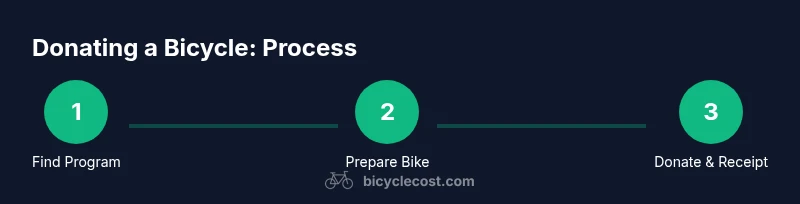
- Use a three-step approach: find options, donate, and follow up on impact.
- Keep receipts and understand local tax guidance if applicable.
- Bike donations near me strengthen community mobility through trusted channels.