How to Get Rid of a Bicycle: A Practical Disposal Guide
Learn practical, eco-friendly ways to dispose of a bicycle. Donating, selling, recycling parts, or safe scrapping—with step-by-step instructions, safety tips, and local resource guidance.


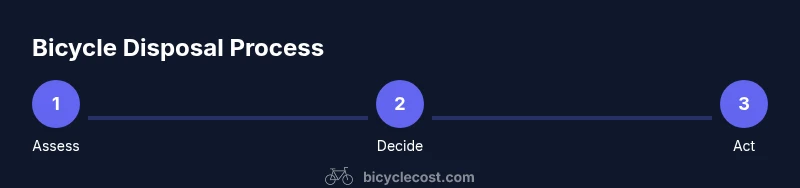
To get rid of a bicycle responsibly, first assess its condition and choose the best path: donate if usable, sell or gift for a small value, recycle salvageable parts, or scrap only if completely non-repairable. Check local disposal rules, remove valuables, clean the bike, and arrange pickup or drop-off. Prioritize eco-friendly options and follow safety guidelines.
Why disposing of an old bicycle matters
According to BicycleCost, disposing a bicycle thoughtfully reduces waste and supports community reuse. Leaving a bike on the curb or in a vacant lot can create hazards, attract pests, and violate local ordinances. Many municipalities offer curbside recycling or drop-off programs for bikes and bike parts, which helps recover metals, rubber, and plastic components. Beyond compliance, responsible disposal preserves space and keeps streets tidy for other riders. A well-handled process also benefits charitable networks that repurpose usable bikes for lower-income riders or schools. This guide outlines practical paths to take, from donating a working bicycle to recycling parts when the frame is no longer serviceable. Throughout, you’ll find real-world tips, concrete steps, and safety reminders to help you choose the best option for your situation.
Assessing your bicycle's condition
Start by inspecting frame integrity, rust, and any structural damage. Check the drivetrain, brakes, gears, wheels, and tires for wear. If most components work and the frame is solid, donation or sale is often the most environmentally friendly option. If significant rust or damage limits safety, focus on salvaging usable parts or recycling metal. Document any issues with photos; many charitable organizations ask for a quick honesty note about the bike’s condition. Remember that even damaged bikes can provide value through parts like gears, handlebars, or rims. By assigning a realistic condition, you’ll avoid wasting resources and speed up the disposal process.
Donating and giving away: a fast track to reuse
Donating keeps bicycles out of landfills and supports communities in need. Seek local bike libraries, youth programs, schools, or charities that accept bikes in varying conditions. Before dropping off, wipe down the bike, remove personal items, and remove the seat if necessary for shipping. Obtain a receipt if the organization offers tax benefits. If you cannot find a local program, consider partner shops that refurbish bikes for resale or donation. Always confirm acceptance criteria (some places require functional brakes, tires, or pedals) to prevent giving them a bike they cannot use.
Selling or trading in a usable bike
Selling a bike is a great way to extend its life and recover some value. Take clear, well-lit photos from multiple angles, highlight key specs (frame size, wheel size, braking system), and disclose any known issues. Set a fair price by checking local listings for similar models and conditions. Use reputable marketplaces or local bike shops that offer consignment. Be honest about the bike’s condition to avoid disputes and returns. If you prefer a quick option, consider parting out bikes with high-value components, but ensure you’re compliant with local laws and the buyer’s safety expectations.
Recycling parts and responsible material recovery
Many bike parts are recyclable as metals or plastics. Remove non-recyclable items and disassemble what you can: brakes, chains, gears, and tires may require special handling. Take frames and metal components to a local recycling center or metal scrap yard; some centers accept bicycles and helper parts for free or a small fee. If tires are in good condition, consider local tire recyclers rather than curbside pickup. For chain and gears, look for electronics-free recycling programs or metal reclamation facilities. Remember to separate rubber, foam, and textiles where facilities request it.
Scrapping and disposal: when it's truly beyond repair
If the bike is unsafe or beyond practical repair, scrapping is acceptable, but do not discard batteries or hazardous components with ordinary trash. Electric bicycles (e-bikes) require special handling for the battery and controller; take them to a certified e-waste facility or the bike shop that handles e-bike recycling. When discarding, remove the drivetrain and any expensive components for resale or recycling first, then recycle the rest as scrap metal. Always check local rules about scrap disposal fees or restricted items to avoid fines.
What to prepare before disposal
Create a quick disposal plan by listing options (donation, resale, recycling) and identifying nearby organizations. Gather items that will ease the process: a clean rag, zip ties or straps for securing components, a cardboard box for loose parts, and a vehicle or rack for transport. Take photos of the bike’s current condition for your records or donation receipts. If you’re scrapping, separate metal parts from non-metal components and bag small parts to prevent loss. Finally, contact the chosen recipient to confirm intake times and any required paperwork.
A practical disposal plan tailored to you
If the bike is still rideable, donate or sell and consider including a note about any quirks to help a new rider. If not, prioritize recycling parts and metal salvage first, then consider charitable reuse for components that can be refurbished. A mixed approach—donating usable parts while recycling the rest—often yields the best environmental outcome and supports local communities. Always document the transaction for your records and future reference.
Environmental impact and community benefits
Responsible disposal reduces landfill burden and supports circular economy practices. Recycling metals saves energy and raw material usage, while donations create access to bicycles for people who may depend on them for transportation to work or school. Community programs also promote safer streets by keeping abandoned bikes off sidewalks and reducing clutter. When you dispose of a bike correctly, you contribute to a cleaner environment and a more sustainable mobility ecosystem.
Tools & Materials
- Box or bags for parts(Cardboard box or sturdy bags for loose parts)
- Rope or ratchet straps(Secure components during transport)
- Cleaning supplies(Brush, rag, bike cleaner)
- Basic toolset (Allen wrenches, etc.)(For disassembly if needed)
- Vehicle or rack for transport(Access to a car or bike rack)
- Documentation (receipts or donation forms)(Keep for tax records or receipts)
- Protective gloves(Safety when handling rusty parts)
- Labels or markers(Identify parts for recycling or donation)
Steps
Estimated time: 2-4 hours
- 1
Assess bike condition
Inspect frame integrity, brakes, tires, and gears. Decide whether the bike is rideable or salvageable. Take photos to document the condition for donation or resale.
Tip: Be honest about any safety issues; this speeds the process and prevents problems later. - 2
Choose disposal path
Based on assessment, select donation, resale, recycling, or scrapping. Contact local organizations to confirm acceptance criteria and timing.
Tip: If in doubt, start with donation—many programs accept bikes in various states. - 3
Prepare bike for transfer
Clean the bike, remove personal items, and secure loose parts. If donating, wipe down and disable any quick-release components when advised by the recipient.
Tip: Keep a spare chain or a few small parts in a bag for the recipient. - 4
Arrange transport
Coordinate pickup or take the bike to the designated drop-off. Use straps to secure the bike and avoid damage during transport.
Tip: Avoid leaving it unattended in public spaces; schedule a pickup when possible. - 5
Disassemble for recycling
If required by the recycling center, disassemble into metal frames, wheels, and removable parts. Separate tires if your center accepts them separately.
Tip: Label components to speed up sorting at the facility. - 6
Obtain receipt and record
Get a donation receipt or confirmation of disposal for your records. This helps with personal finance tracking and any potential tax considerations.
Tip: Save digital copies in a dedicated folder for this bike.
People Also Ask
Can I just leave my old bicycle on the curb for trash pickup?
Curbside disposal policies vary by city. In many areas, bikes are not accepted as general trash and must be recycled or donated. Check local guidelines or contact the waste management department to avoid fines.
Curb pickup rules vary; many places require donation or recycling instead of trash disposal.
Where can I donate a bicycle in my area?
Look for local bike shops, charitable charities, schools, or community programs that accept used bikes. Some shops refurbish donations for resale or repair programs for those in need.
Search for local bike shops or charities that accept bike donations; many have drop-off days.
Is it cheaper to donate or sell a bicycle?
Donating is often free and supports community programs, while selling can recoup some value. If the bike is in good condition, selling may cover parts or maintenance costs.
Donating is usually free, selling can earn a bit, and both keep bikes out of landfills.
What parts are typically recycled from bikes?
Metal components like the frame, rims, and gears are commonly recycled as scrap metal. Tires and tubes may go to special recycling streams if available.
Metal parts are often recycled; tires may go to specialty recycling streams.
Do I need to remove the tires before disposal?
Tires can be left on if the recycling center accepts whole bikes; otherwise, remove them and recycle separately. Always check facility guidelines first.
Check with the facility; some accept whole bikes, others prefer tires removed.
Are there safety concerns when transporting a bike to disposal?
Yes. Secure the bike to prevent movement, protect others from protruding parts, and wear gloves to avoid cuts or pinched fingers.
Secure the bike during transport and wear gloves for safety.
Watch Video
Quick Summary
- Assess condition before choosing a path
- Donating or selling extends life and supports communities
- Recycling and scrapping should prioritize safety and local rules
- Keep records for receipts and tax purposes