Exercise Cycle for Weight Loss: A Practical Guide 2026
Learn how to use an exercise cycle for weight loss with a structured plan, progressive workouts, nutrition basics, and safety tips. A clear, actionable approach from BicycleCost for sustainable fat loss.


Begin a structured exercise cycle for weight loss by combining interval and steady rides, aiming for 150-300 minutes of cycling weekly. Progress gradually, vary workouts, and pair activity with balanced nutrition. Prioritize consistency, adequate recovery, and safe progression. This guide from BicycleCost will walk you through planning, executing, and tracking results for sustainable fat loss.
Understanding the Exercise Cycle for Weight Loss
An exercise cycle for weight loss blends different cycling intensities to boost fat oxidation, improve metabolic efficiency, and preserve lean muscle. The goal is to create a moderate energy deficit through activity while fueling recovery with balanced nutrition. Cycling is especially friendly for joints and allows clear progression from easy spins to structured intervals. When designed thoughtfully, an exercise cycle supports consistent adherence, which is the most powerful predictor of long-term weight loss. In practical terms, you’ll mix short, hard efforts with longer, easy spins to maximize calorie burn without burning out. According to BicycleCost, consistency and progressive overload are the two lever points that move weight loss outcomes forward over weeks and months. The approach also emphasizes listening to your body and adjusting plans based on how you feel, which helps prevent injuries and burnout.
Designing a Sustainable Weekly Plan for the Exercise Cycle
A sustainable weekly plan balances frequency, duration, and intensity. For most beginners and intermediates, 3-5 cycling sessions per week totaling roughly 150-300 minutes works well. Structure your week with 1-2 interval or tempo days, 1 long endurance ride, and 1-2 easy recovery spins. Rest days are essential; they let muscles repair and adapt, which ultimately improves performance and fat loss. Begin with shorter sessions and gradually extend duration or add a few minutes to each interval. A gradual ramp protects joints and keeps motivation high. Remember that nutrition and sleep amplify results, so align meals with activity and aim for consistent sleep patterns. BicycleCost analysis shows that a steady, progressive plan outperforms sporadic, high-intensity bursts when the goal is sustainable fat loss.
Types of Workouts That Drive Fat Loss
In an exercise cycle for weight loss, you’ll rely on three core workout types:
- Intervals: Short, hard efforts with brief recoveries push cardiovascular capacity and help burn more calories per minute.
- Tempo rides: Sustained, steady efforts at a moderate intensity improve fat oxidation and endurance without excessive fatigue.
- Endurance/easy spins: Longer, comfortable rides build base fitness and burn calories while aiding recovery. A balanced week includes all three, rotated to avoid plateaus. Start with 1 interval day, 1 tempo day, and 1-2 endurance days, then progressively add length or intensity.
Monitoring Progress Without Obsession
Tracking progress is about meaningful signals, not numbers for their own sake. Use a mix of metrics: weekly ride duration, average heart rate or perceived exertion, distance covered, and body measurements. Check in monthly on weight trends but also note improvements in power output, terrain you can conquer, or time to complete a loop. Photos, clothing fit, and energy levels are practical qualitative indicators. If you rely solely on scale weight, you may miss muscle gains or fat loss dynamics. Keep a simple log, review it weekly, and adjust training load modestly based on how you feel.
Nutrition Basics to Support the Exercise Cycle for Weight Loss
Nutrition frames the success of any cycling weight-loss effort. Maintain a modest energy deficit while ensuring enough protein to preserve lean mass. Protein targets commonly fall in the range of 1.2-1.6 g/kg body weight daily for active individuals, paired with sufficient carbohydrate to fuel workouts and healthy fats for recovery. Hydration matters, especially on longer rides. Emphasize whole foods: lean proteins, vegetables, whole grains, fruits, and healthy fats. Timing matters too—consuming a small, balanced meal or snack before workouts and post-workout protein within a couple hours can support recovery and performance. The goal is sustainable change, not extreme restriction.
Safety Considerations and Common Mistakes
Before every ride, perform a quick warm-up to increase blood flow and reduce injury risk. Ensure proper bike fit—saddle height, reach, and cockpit position affect comfort and knee health. Avoid pushing through pain; fatigue is normal, pain is not. Common mistakes include overdoing high-intensity work too soon, neglecting rest days, and ignoring nutrition signals. Start with a conservative plan and progress gradually. If you have any medical concerns, consult a clinician before starting a new cycling program.
Equipment, Gear, and Maintenance for Fat-Loss Cycling
A reliable bike that fits well is the foundation. Other essentials include a helmet, water bottle with a reliable cage, a pump or CO2 inflator, spare inner tubes, and appropriate cycling apparel. For tracking progress, a basic bike computer or smartphone app helps monitor pace, distance, and time. Regular maintenance—checking tires, brakes, chain lubrication, and drivetrain cleaning—prevents avoidable downtime during a weight-loss program. A well-maintained bike contributes to comfort and consistent training adherence.
Progressions and Pitfalls in a Fast-Track Cycle Plan
Progression should be gradual: small increases in duration, intensity, or volume every 1-2 weeks. A common pitfall is ramping both volume and intensity too quickly, leading to fatigue or injury. A practical approach is to increase one variable at a time (e.g., 5-10 minutes per week or a 5-10% raise in interval intensity). Include low-stress recovery rides to aid adaptation. If progress stalls, reassess nutrition, sleep, or stress levels, then adjust. Patience and consistency trump short bursts of hard work without recovery.
Common Myths About Cycling for Weight Loss
Myth: “You can spot-reduce fat from the legs.” Reality: Fat loss occurs systemically; targeted reductions are not possible. Myth: “More intense sessions always equal faster fat loss.” Reality: recovery and consistency drive results; overemphasis on intensity can backfire. Myth: “Weight loss is linear.” Reality: Expect fluctuations due to water balance, glycogen stores, and hormones. Myth: “Diet alone is enough.” Reality: Exercise supports fat loss, preserves muscle, and improves metabolic health. The best outcomes come from combining cycling, nutrition, sleep, and stress management.
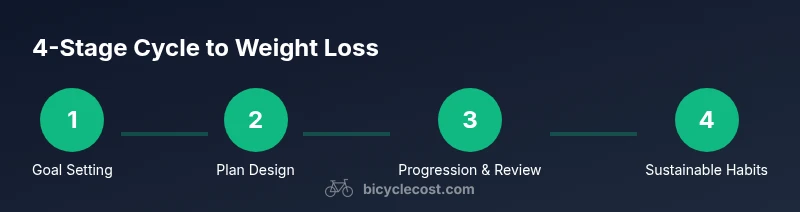
Putting It All Together: A Sample 4-Week Cycle Plan
Week 1 focuses on establishing consistency: three rides (two easy, one longer at moderate pace) totaling 150-180 minutes. Week 2 adds a tempo or interval session once or twice, with total weekly time around 180-210 minutes. Week 3 increases either duration or intensity on one ride and maintains others, aiming for 210-240 minutes. Week 4 integrates a single longer endurance ride, plus two shorter, easier rides, bringing weekly time to 210-260 minutes. Each ride should start with a 5-10 minute warm-up and end with a 5-10 minute cool-down. Adjust according to how you feel and consult nutrition guidance to support energy needs.
Final Note on Persistence and Patience
A successful exercise cycle for weight loss hinges on steady, sustainable progress rather than dramatic, short-lived changes. The combination of regular cycling, smart pacing, balanced nutrition, and adequate recovery builds lasting habits. As you gain experience, you’ll discover which workouts feel best, where your dietary boundaries lie, and how to balance life commitments with training. The BicycleCost team believes in practical, science-informed methods that suit real-life schedules.
Tools & Materials
- Bike (road or mountain, properly fitted)(Choose frame size that allows a slight knee bend at the bottom of pedal stroke; ensure comfortable reach)
- Helmet(CPSC/EN-approved; adjust strap for a snug, secure fit)
- Water bottle and cage(Hydration during workouts is essential; consider electrolyte options for longer sessions)
- Bike pump or CO2 inflator(Keep tires within recommended PSI for your riding style)
- Spare inner tubes(Carry at least one spare tube and patches; awareness of flats reduces downtime)
- Cycling shorts or padded liner(Optional but improves comfort on longer rides)
- Heart rate monitor or smartwatch(Helpful for pacing and progress tracking, not mandatory)
- Nutrition for workouts(Energy bars, gels, or a small balanced snack for longer sessions)
- Bike lock and lights (if riding in low light)(Safety for urban rides; ensure lights are charged)
Steps
Estimated time: 4 weeks
- 1
Assess baseline fitness and goals
Record your current cycling duration, average pace, and perceived exertion on a typical ride. Define weight loss goals that are realistic and time-bound, such as a gradual 0.5-1 kg per week dependent on body mass and health. Establish a simple weekly plan that balances workouts and rest.
Tip: Use a simple table or app to log weekly rides and feelings after each session. - 2
Set your weekly training framework
Decide on 3-5 rides per week and assign one interval/tempo session, at least one longer ride, and 1-2 easy recovery spins. Keep rest days in between hard efforts to ensure adaptation.
Tip: Block workout times in advance to protect training consistency. - 3
Choose workout types and durations
Plan each session with clear duration goals: e.g., 30-45 minutes easy spin, 20-30 minutes intervals, or 60-90 minutes endurance ride. Alternate intensities weekly.
Tip: Always include a 5-10 minute warm-up and cool-down. - 4
Implement progressive overload
Increase weekly duration by 5-10% or add 1-2 interval efforts every 1-2 weeks. Avoid inflating both duration and intensity at the same time to prevent injury.
Tip: Log progression changes to track adaptation over time. - 5
Monitor nutrition to support training
Plan meals with enough protein, colorful vegetables, and complex carbs to fuel workouts and recovery. Adjust portions based on weekly energy expenditure and satiety signals.
Tip: Keep a simple food log to ensure consistent intake. - 6
Prioritize recovery and safety
Incorporate sleep, hydration, and easy days to support recovery. Check for signs of overtraining such as persistent fatigue or sleep disruption; back off if needed.
Tip: Stretch and mobility work after rides to reduce soreness. - 7
Review and adjust after four weeks
Evaluate progress in both weight and fitness, adjust goals, and refine workouts. If weight loss stalls, revisit nutrition or introduce a new training stimulus.
Tip: Use a 4-week cycle to build sustainable habits rather than chasing quick results. - 8
Scale up gradually for long-term results
Prepare to extend your plan to 6-8 weeks or longer if goals persist. Maintain balance between effort, recovery, and nutrition.
Tip: Avoid drastic changes; sustainability is the key to lasting fat loss.
People Also Ask
How often should I cycle for weight loss?
Aim for 3-5 rides per week, mixing hard and easy days. Adjust based on how you feel and your recovery capacity.
Most people benefit from three to five rides weekly, with a mix of intensity and recovery.
Should I count calories or track macros while cycling for weight loss?
Calorie awareness helps, but focus on consistent meal timing, protein intake, and whole foods. Use moderate tracking if it improves adherence.
Calorie awareness can help, but prioritize protein, fiber, and regular meals.
Is cycling alone enough for weight loss, or should I combine with other workouts?
Cycling supports fat loss and fitness, but combining with resistance training enhances fat loss and preserves muscle mass.
Cycling helps a lot, and adding strength work improves results.
Can beginners safely start with high-intensity intervals?
Start with easy intervals and longer recoveries. Build up gradually to reduce injury risk and improve adherence.
Yes, but start slowly and increase intensity carefully.
What signs indicate overtraining on a cycling plan?
Persistent fatigue, sleep disruption, mood changes, and declining performance signal excessive load.
Watch for persistent fatigue and mood changes; back off if they appear.
How do I stay motivated over four weeks?
Set small weekly goals, celebrate progress, and vary routes to keep rides interesting.
Set small goals and switch up routes to stay engaged.
Watch Video
Quick Summary
- Plan for 3-5 rides weekly with varied intensities.
- Mix intervals, tempo, and endurance for best fat loss.
- Prioritize protein and overall nutrition to support recovery.
- Track progress using multiple metrics, not just weight.
- Progress slowly to prevent injuries and sustain gains.