Exercise Bicycle Workout: A Complete How-To Guide
Learn a practical, science-backed exercise bicycle workout plan for all levels. Build endurance, burn fat, and improve cadence with clear steps, safety tips, and ready-to-use schedules.


Finish a safe, effective exercise bicycle workout that suits your goals—endurance, fat loss, or cardio fitness. You’ll need a bike, timer, water, and adjustable resistance. This guide reveals warm-up, interval structures, cadence targets, and cooldowns, plus ready-to-use templates and progress tips. According to BicycleCost, a structured, progressive plan boosts adherence and results for riders at all levels.
Warm-up and Baseline Fitness
An effective exercise bicycle workout starts with a smart warm-up that prepares muscles, joints, and the cardiovascular system for what follows. For beginners and seasoned riders alike, a 5–10 minute dynamic warm-up on the bike helps prevent injuries and raises cadence gradually. In this guide, we’ll define a practical warm-up and baseline training approach for an exercise bicycle workout, emphasizing safe progression and signals of readiness. Begin with a light pedal at a comfortable resistance, then include leg swings or ankle circles while staying seated to wake up the hip flexors and hamstrings. As you progress, increase resistance slowly to avoid sudden spikes in heart rate. During warm-up, focus on smooth pedal strokes and maintaining an upright posture with relaxed shoulders. The primary goal is to raise core temperature and lubricate joints so that sprinting and interval efforts feel more controlled rather than abrupt. Throughout the session, monitor breathing, but avoid breath-holding. This section aligns with BicycleCost guidance on sustainable, injury-free cycling training.
Core Components of a Bike Workout
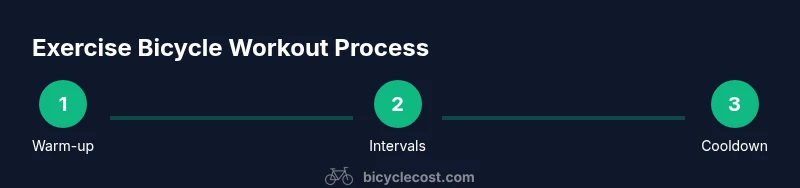
A well-rounded exercise bicycle workout blends three core components: a purposeful warm-up, a structured main set, and a calm cooldown. The warm-up should last 5–10 minutes and prime leg muscles and the cardiovascular system. The main set may mix steady-state riding with intervals, depending on your goals. Cadence and resistance should be varied strategically to challenge your legs without compromising form. Cooling down helps the heart rate gradually return to baseline and aids recovery. If you can, track cadence (RPM), resistance level, and perceived exertion to optimize progression. This section emphasizes practical choices—don’t chase fancy gear; start with a comfortable resistance and a sustainable cadence, then adjust as fitness improves.
Sample Workouts for Fat-Burn and Intervals
Fat-burn sessions on an exercise bicycle workout focus on higher effort with shorter recoveries. A typical 25–30 minute template includes 6–8 cycles of 1 minute hard work at a challenging but sustainable intensity, followed by 1 minute easy pedaling. Keep cadence around 70–85 RPM during work intervals and around 50–60 RPM during recovery. If you lack a power meter, use RPE (rating of perceived exertion) and heart rate as your guide. The aim is to elevate heart rate while maintaining good form. This template is beginner-friendly yet scalable for intermediate riders.
Sample Endurance Ride Templates
Endurance-focused sessions prioritize steady effort over a longer duration. A 40–60 minute ride might use a moderate resistance where you can maintain a steady cadence around 60–75 RPM. Focus on deep, controlled breaths and a relaxed upper body. Include a brief 5-minute uptick in effort mid-session to simulate hills, then settle back to the endurance level. For most riders, progressing by 5–10 minutes every 1–2 weeks is a sensible way to build stamina without overtraining.
Sample HIIT Protocols on the Bike
High-intensity interval training on a stationary bike packs plenty of benefits in short sessions. A common 15–20 minute HIIT pattern: 30 seconds of hard work (50–90% of max effort) followed by 60 seconds of easy recovery; repeat 6–8 times. Maintain solid form—upright posture and a smooth pedal stroke—during the work intervals. If you’re newer to HIIT, start with 10 minutes total and gradually increase as fitness improves.
Progression, Pacing, and Tracking
Progression should be gradual and consistent. Increase either duration, resistance, or cadence by small amounts every 1–2 weeks, never all at once. Use a simple tracking system (date, ride length, average cadence, average HR, and perceived effort). BicycleCost Analysis, 2026 shows that riders who track cadence and gradually increase duration see the best long-term adherence. Even without a power meter, you can gauge progress by steadier effort at the same perceived exertion.
Common Mistakes and Fixes
Common errors include skipping the warm-up, riding with poor posture, and chasing too-ambitious intervals too soon. Fixes are straightforward: add 5–10 minutes of warm-up, set a neutral spine and relaxed shoulders, and choose intervals you can complete with good form. If fatigue sneaks up, reduce resistance slightly or extend recovery; consistency beats intensity in the long run.
Safety, Setup, and Equipment Tips
Seat height, handlebar position, and proper footwear are the foundation of safe indoor cycling. Ensure the knee tracks over the pedal and that you can reach pedals without overextending the knee. Use proper shoes or secure straps if clip-in pedals are used. Stay hydrated, listen to your body, and stop if you feel dizzy or faint. Regular maintenance checks on the bike prevent unexpected issues during workouts.
Building a Simple Weekly Plan
A practical weekly plan might include 3 cardio-focused sessions plus 1 recovery day. For example: Monday–Endurance Ride, Wednesday–Intervals, Friday–HIIT, Saturday–Light Recovery Ride. Adjust days to fit your schedule and goals. Always include a warm-up and cooldown on each session, and log your outcomes to monitor progress over time. This approach aligns with BicycleCost guidance on sustainable training.
Tools & Materials
- Exercise bicycle (stationary bike)(Ensure adjustable seat/handlebars; stable frame.)
- Heart rate monitor(Chest strap or wrist-based; sync with bike computer if available.)
- Timer or stopwatch(For precise interval timing and rest periods.)
- Water bottle(Stay hydrated; keep nearby during rides.)
- Towel(For sweat management and comfort.)
- Appropriate footwear(Stable shoes; avoid loose laces; clip-in pedals require cycling shoes.)
- Cycle computer or smartphone app(Helpful for RPM, distance, and cadence tracking.)
Steps
Estimated time: 30-45 minutes
- 1
Check bike setup and safety
Inspect the seat height, handlebar position, and pedal alignment before you ride. Ensure the bike is stable, the belt or chain is quiet, and your shoes are secure. This step reduces the risk of injury and ensures efficient power transfer.
Tip: If you’re new, have someone adjust the seat height so your knee is slightly bent at the bottom of the pedal stroke. - 2
Warm up with easy pedaling
Start with 5–10 minutes of light pedaling at a low resistance to wake up muscles and joints. Gradually raise cadence to 60–70 RPM and focus on smooth, controlled movements.
Tip: Keep shoulders relaxed and back neutral; avoid hunching over the handlebars. - 3
Introduce interval blocks
Begin with short work intervals (e.g., 30–60 seconds) at a challenging but sustainable resistance, followed by equal or longer easy recovery. Repeat 4–6 times and adjust based on how you feel.
Tip: Use RPE or %HRmax to guide effort; you should be able to speak in short phrases during work. - 4
Incorporate cadence and resistance changes
Leverage a moderate cadence (60–75 RPM) during endurance portions and push to higher cadences (80–95 RPM) during less intense bursts if form allows. Alternate resistance to maintain diversity without compromising technique.
Tip: Avoid bouncing on the saddle; keep hips still and pedal with a full range of motion. - 5
Cool down and stretch
Finish with 3–5 minutes of easy pedaling to gradually lower heart rate, followed by light stretches for calves, quads, hamstrings, and hips.
Tip: Hydrate during cooldown and breathe deeply to promote recovery. - 6
Track progress and adjust the plan
Record ride duration, cadence, heart rate, and perceived effort. Revisit your plan every 2–4 weeks, increasing duration or resistance gradually as your fitness improves.
Tip: Small, consistent gains compound; avoid big jumps that risk injury.
People Also Ask
Do I need a heart rate monitor for this workout?
A heart rate monitor is helpful to pace yourself and stay in target zones, but it’s not strictly required. If you don’t have one, use perceived exertion and cadence to guide effort.
A heart rate monitor helps you pace better, but you can still train effectively using how hard you feel and your cadence.
How long should a beginner ride on an exercise bike?
Begin with 15–20 minutes and gradually build up to 30–45 minutes as comfort and endurance improve.
Start with fifteen or twenty minutes, then increase gradually as you feel more comfortable.
Can I use this workout on a regular road bike?
This plan is tailored for indoor stationary bikes. A road bike requires different settings and safety considerations; adapt sections to your equipment and space.
This guide is for indoor bikes; road bikes aren’t the same and need different tweaks.
What cadence is best for most sessions?
Aim for a steady cadence around 60–75 RPM for endurance portions, with occasional bursts up to 90–95 RPM during harder efforts if comfortable.
Keep a steady cadence of around sixty to seventy-five RPM most of the time, then push higher if you can safely.
How many times per week should I train on the bike?
Start with 2–3 sessions per week, then add one optional recovery ride or rest day as needed. Listen to fatigue and adjust.
Begin with two to three sessions weekly, adding more only if you feel rested and capable.
Watch Video
Quick Summary
- Start with a deliberate warm-up and safe setup
- Mix endurance, interval, and cooldown for balance
- Progress gradually with duration, cadence, or resistance
- Track metrics to see measurable improvements
- Prioritize form and safety over intensity