What can cycling help to lose weight: A practical guide
Explore how cycling supports weight loss, the science behind calorie burn, pacing strategies, and a practical plan that combines training and nutrition for sustainable results.


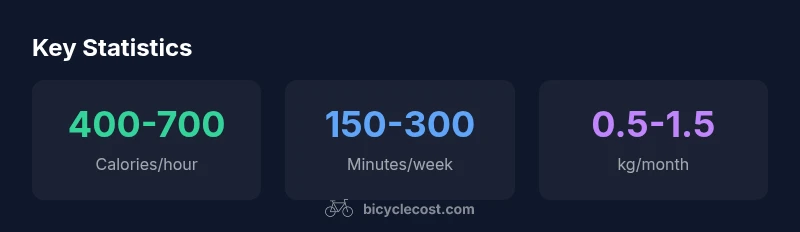
Regular cycling supports weight loss by creating a sustainable calorie deficit, boosting cardiovascular fitness, and improving appetite regulation. For many adults, moderate cycling at varying intensities can burn roughly 400-700 calories per hour, depending on weight and effort, contributing to a weekly deficit when paired with mindful nutrition. According to BicycleCost Analysis, 2026, consistency and progressive training are more important than a single hard ride.
What can cycling help to lose weight
What can cycling help to lose weight? This question frames a practical, data-informed approach to fitness. The BicycleCost Team notes that cycling is uniquely suited to long-term adherence because it combines cardiovascular benefits with low joint stress. In real-world terms, regular cycling creates a reliable calorie deficit when paired with sensible nutrition and daily activity. The key takeaway is consistency: small, repeatable weekly gains compound into meaningful results over months.
How calories burn on a bike
Calorie expenditure during cycling comes from sustained energy demand, primarily from the aerobic system. At moderate effort, your body uses fat and carbohydrates to fuel movement, depending on intensity and duration. Heavier riders burn more calories per minute than lighter riders at the same pace, and terrain—flat, hilly, or mixed—modulates the demand. Over weeks, this cumulative burn translates into fat loss if intake remains controlled. The 2026 BicycleCost Analysis emphasizes that even non-sport-specific daily activity adds up, making cycling a practical pathway for many people to reach a deficit without extreme dietary restriction.
Intensity, duration, and consistency
Intensity, duration, and consistency interact to determine weight-loss outcomes. Short, frequent rides build habit formation, while longer sessions at moderate intensity expand caloric burn without excessive fatigue. High-intensity intervals can boost fat oxidation and metabolic rate, but they require careful progression to minimize injury risk. A pragmatic plan blends both: base endurance rides, occasional intervals, and rest days. The BicycleCost approach supports tailoring relative to current fitness, schedule, and comfort level, all while tracking progress to avoid plateaus.
Nutrition and lifestyle synergy
Weight loss from cycling is not driven by exercise alone. Nutrition quality and timing synergize with training. Prioritize protein for lean mass preservation, fiber-rich carbohydrates for satiety, and healthy fats for energy balance. Hydration matters, too. A modest, sustainable caloric deficit—rather than drastic cuts—helps avoid hunger and rebound weight gain. Sleep and stress management further influence appetite and recovery, enabling safer, more consistent progress.
Practical cycling plans for weight loss
A practical plan begins with a baseline assessment: current activity level, available days, and typical foods. A simple, scalable framework might include three 45–60 minute rides per week at moderate intensity, plus one longer ride on the weekend. As fitness improves, gradually extend one session to 75–90 minutes or introduce light intervals. Cross-training (e.g., strength work) reinforces fat loss and preserves muscle mass, improving body composition over time. The plan should accommodate work and family demands, making consistency feasible rather than daunting.
Common mistakes and how to fix them
Common missteps include focusing only on workouts and ignoring nutrition, under- or over-estimating intensity, and skipping rest days. To fix this, log activity, monitor hunger cues, and adjust portions rather than eliminating meals. Set realistic weekly goals, vary rides to prevent boredom, and keep a simple plan that you can repeat. If progress stalls, reassess energy intake, sleep quality, and recovery practices; small, data-informed tweaks often yield results.
Tracking progress and adjusting your plan
Consistency matters more than perfection. Use a simple tracker to monitor weekly minutes, ride variety, and perceived exertion. Every 2–4 weeks, re-evaluate your goals, adjust intensity, and consider a minor dietary tweak to maintain a gentle deficit. Celebrate small wins, like completing a longer ride or maintaining steady weekly minutes, to sustain motivation. The BicycleCost approach recommends documenting both workouts and dietary changes to identify what reliably drives weight loss.
Weekly activity scenarios and rough weight-loss targets
| Activity Level | Weekly Minutes | Estimated Burn | Weight Loss Target |
|---|---|---|---|
| Light cycling | 60-120 | 2000-4500 calories/week | 0.5-1 kg/month |
| Moderate cycling | 150-210 | 3500-7000 calories/week | 0.5-1.5 kg/month |
| Vigorous cycling | 240+ | 7000+ calories/week | 1-2 kg/month |
People Also Ask
Can cycling alone lead to noticeable weight loss?
Yes, cycling alone can create a calorie deficit and support weight loss, especially when done regularly at moderate intensity. However, results are deeper and more sustainable when nutrition and recovery are aligned with training. Tracking weekly minutes helps ensure progress stays on track.
Yes, cycling can help with weight loss, but pairing it with good nutrition yields better, longer-lasting results.
How many minutes per week should I cycle to lose weight?
Aim for 150-300 minutes of moderate cycling per week as a starting point. If your schedule allows and appetite supports it, gradually increase toward 300 minutes or more while maintaining daily activity.
A good starting point is 150 to 300 minutes weekly; adjust based on how you feel and progress.
Is high-intensity interval training on the bike better for weight loss than steady cycling?
HIIT can accelerate fat loss and improve metabolic rate, but it carries higher injury and recovery demands. Steady cycling is safer for beginners and promotes consistency. A blended approach—mostly steady with occasional intervals—often yields the best long-term results.
HIIT can help, but start with steady rides and add intervals gradually.
How does nutrition affect cycling weight loss?
Nutrition sets the calorie balance. Prioritize protein to preserve lean mass, include fiber for fullness, and distribute carbohydrates around workouts. Avoid extreme deficits; modest, sustainable changes support progress and adherence.
What you eat matters as much as how you train.
Will cycling reduce fat evenly or just scale weight?
Weight loss from cycling often improves body composition by reducing fat while preserving or even increasing lean mass with strength training. Expect changes in measurements and clothes fit before dramatic scale shifts.
It improves fat more than just dropping pounds, especially with strength work.
What safety considerations should beginners keep in mind?
Begin with low-to-moderate intensity, ensure proper bike fit, wear a helmet, and stay hydrated. Build slowly to avoid overuse injuries, and consult a clinician if you have medical concerns before starting a new exercise program.
Start easy, fit your bike, and listen to your body.
“"Consistency in cycling, paired with mindful nutrition, yields sustainable fat loss and better body composition over time."”
Quick Summary
- Start with 150 minutes of cycling per week as a baseline.
- Combine steady rides with occasional intervals for best results.
- Pair training with a balanced, protein-rich diet for body composition improvement.
- Track minutes and effort to avoid plateaus, not just total miles.