Is Bicycle Good for Weight Loss? A Practical Guide
A data-driven exploration of whether cycling supports weight loss, how to optimize rides, and a starter plan for sustainable results, grounded in BicycleCost analysis (2026).


Is bicycle good for weight loss? The short answer is yes: cycling supports weight loss when paired with a modest caloric deficit and a sustainable routine. It burns calories, strengthens the heart, and is scalable for beginners, making it a practical foundation for long-term weight management. Individual results vary with diet, consistency, and daily activity, but cycling remains a versatile, low-barrier option for many.
Is cycling good for weight loss?
Many readers ask: is bicycle good for weight loss, and if so, how much impact does cycling have? The short answer is affirmative. Cycling can contribute meaningfully to energy balance when paired with a sustainable caloric deficit and regular rides. It is scalable for beginners, easy to fit into a busy schedule, and gentler on joints than some high-impact activities. In this article, we explore how cycling affects energy expenditure, what to measure, and practical steps to maximize fat loss while maintaining health and enthusiasm. The BicycleCost team emphasizes practical methods grounded in real-world experience, not hype.
Energy balance is the cornerstone of weight loss: calories out must exceed calories in over time. Cycling helps increase energy expenditure in a controlled, enjoyable way. It also supports cardiovascular health, mood, and daily activity levels, which can aid adherence. Importantly, results hinge on your overall energy intake, workout consistency, sleep, and stress management. Evidence-based guidance suggests cycling works best when part of a broader lifestyle program rather than a one-off effort.
For most people, weight loss is gradual. Expect modest progress over weeks to months rather than sensational, rapid drops. That gradual pace fosters sustainable changes to body composition, insulin sensitivity, and appetite regulation. The BicycleCost team notes that patience, consistency, and a balanced diet are essential components of any successful weight-loss strategy that includes cycling.
How cycling compares with other activities for weight loss
Cycling sits between low-impact activities (like brisk walking) and higher-impact options (like running) in terms of joint load and calorie burn. It tends to allow longer sessions at moderate intensity, which can accumulate substantial energy expenditure over the course of a week without excessive fatigue. Compared with brisk walking, cycling can reach higher energy expenditures per hour with comparable perceived effort for many people, especially when terrain includes hills or when cadence increases. The lower risk of overuse injuries makes cycling a sustainable choice for longer-term weight management.
In a broader context, the most important factor is adherence. If you enjoy cycling and can fit it into your weekly routine consistently, you’ll likely see meaningful results over time. For many, cycling’s accessibility—bike availability, bike paths, and social riding options—enhances consistency more than chasing a perfect calorie burn on a single workout. In short, cycling offers a favorable balance of calories burned, joint health, and long-term sustainability compared with some other activities.
When you combine cycling with appropriate nutrition and sleep, it forms a robust foundation for weight loss while improving overall health. The goal is to create a sustainable habit that you can maintain for months and years, not just weeks.
How to maximize weight loss with cycling
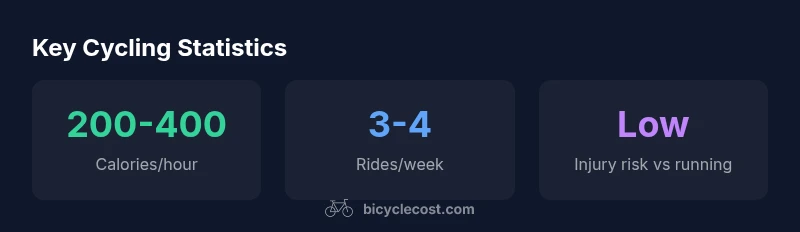
To harness cycling for weight loss, pair physical activity with mindful nutrition and progressive training. Start with 3–4 rides weekly, mixing endurance sessions with occasional intervals to boost metabolic rate. Interval work—short bursts of higher intensity with recovery—can increase calorie burn and post-exercise energy expenditure, but should be introduced gradually to protect motivation and joints. Longer, steady rides build cardiovascular fitness and contribute to weekly energy expenditure without excessive fatigue.
Nutrition plays a pivotal role. Focus on balanced meals that emphasize high-quality protein, fiber, and hydration. Avoid extreme calorie deficits that undermine energy and recovery. Tracking simple metrics—ride duration, perceived effort, and weekly weight changes—helps you observe trends without becoming obsessed. Investing in bike fit and maintenance reduces discomfort and mechanical resistance, supporting longer, more consistent training.
The BicycleCost team emphasizes a holistic approach: cycling matters, but so do daily habits, sleep quality, and nutrition choices. When these elements align, weight-loss efforts become more predictable and less stressful.
Bike sizing, fit, and comfort for sustainable workouts
A proper fit reduces fatigue, discouragement, and injury that can derail weight-loss efforts. Start with a bike that fits your inseam and riding style, and adjust saddle height, reach, and handlebars to maintain comfortable joints during longer sessions. A comfortable riding position encourages longer, more frequent rides and reduces pain that could derail progress. If you’re new to cycling, consider a professional fitting or at least a basic sizing check to ensure your feet reach the pedals with knees slightly bent. Invest in a comfortable saddle, appropriate clothing, and reliable pedals.
Regular maintenance—chain lubrication, brake checks, tire pressure—lowers mechanical resistance and improves safety. A well-fitted bike makes consistent training more enjoyable and sustainable over months, which is essential for weight loss. Small adjustments, done gradually, can yield meaningful comfort gains that translate into adherence.
Beyond hardware, pay attention to your cycling environment. Choose routes you find enjoyable, with a safe surface and reasonable traffic conditions. A positive riding experience reinforces consistency, which in turn supports weight-loss goals.
Common myths and realistic expectations
Myth: cycling alone will drop pounds quickly without dietary changes. Reality: weight loss requires a sustainable energy deficit; cycling can help, but nutrition matters most. Myth: more time on the bike always means better results. Reality: quality matters as much as quantity—intensity, duration, recovery, and consistency all influence outcomes. Myth: you must ride hard every session. Reality: a balanced approach that includes easy, moderate, and occasional hard days yields better adherence and adaptation. The most important factor is consistency over time, not occasional bursts of effort.
Realistic expectations: you will likely see slow, steady changes in body composition, performance, and energy levels. Weight can fluctuate due to water, glycogen, and hormonal factors, so focus on long-term trends rather than day-to-day changes. Setting a sustainable pace, celebrating small wins, and maintaining a flexible plan helps prevent burnout. The BicycleCost team’s approach centers on practical progress rather than perfection, promoting long-term success.
A practical starter plan for beginners (6 weeks)
Week 1–2: three rides per week, mostly easy to moderate, focusing on form and cadence. Week 3–4: introduce one interval workout per week, 15–20 minutes total of higher effort broken into short bursts. Week 5–6: increase total weekly duration by 15–25% and add a longer ride. Track progress with a simple log: ride duration, perceived effort, and weight change. Pair rides with light resistance training 2 days per week if possible, and ensure you have a balanced diet that supports training. The BicycleCost team recommends adjusting intensity to your current fitness level, with gradual progression to prevent injuries and sustain motivation.
Energy expenditure by common activities
| Activity | Typical Duration | Calories (rough estimate) |
|---|---|---|
| Cycling (moderate pace) | 60 minutes | approx. 200-400 kcal |
| Cycling (vigorous pace) | 45 minutes | approx. 300-500 kcal |
| Walking (brisk) | 60 minutes | approx. 150-350 kcal |
People Also Ask
How many hours per week should I cycle for weight loss?
Aim for about 3–4 hours per week to start, distributed over 3–4 sessions. Increase gradually as your fitness improves, without sacrificing recovery or sleep.
Start with 3–4 hours per week and build up gradually as you feel stronger and more energized.
Is cycling alone enough to lose weight?
Cycling can contribute significantly, but lasting weight loss usually requires a caloric deficit created by diet and activity. Use cycling as a key part of a broader plan.
Cycling helps a lot, but diet matters too.
Should I mix cycling with strength training?
Yes. Adding resistance work preserves lean mass, boosts resting metabolism, and improves performance. Two short strength sessions weekly can enhance results.
Yes—combine cycling with some strength workouts for better results.
What about diet and calories for weight loss while cycling?
Focus on a sustainable energy deficit with balanced meals, adequate protein, and fiber. Avoid extreme cuts that undermine energy and recovery.
Diet matters a lot; don’t rely on exercise alone.
Is high-intensity interval training (HIIT) cycling faster for weight loss?
HIIT can boost calorie burn in shorter sessions, but it’s not essential. A balanced plan with easy, moderate, and occasional intervals works well for many people.
HIIT helps, but consistency and recovery matter more.
“Cycling creates meaningful energy deficit when done consistently and paired with smart nutrition. It also offers accessibility and lower injury risk, making it a practical foundation for weight loss.”
Quick Summary
- Start with 3–4 weekly rides to build habit
- Pair cycling with balanced nutrition for sustainable weight loss
- Prioritize proper bike fit to ride longer and more comfortably
- Mix endurance days with occasional intervals to boost calorie burn
- Monitor progress with simple logs and adjust over time