Can a Bicycle Be Converted to Electric? A Practical Guide
Discover how to convert a bicycle to electric, compare hub and mid-drive kits, estimate costs, evaluate safety and maintenance needs, and follow BicycleCost’s practical, step-by-step guidance.


Yes, a bicycle can be converted to electric using a kit—front hub, rear hub, or mid-drive. Mid-drive is often preferred for torque, efficiency, and smoother pedal assist across hills, but the right choice depends on your bike’s frame, weight, riding style, terrain, and local regulations. Consult a qualified shop if unsure.
What does converting a bicycle to electric entail?
Converting a bicycle to electric means adding powered assistance to your pedaling, usually by installing a motor, a rechargeable battery, a controller, and a rider-friendly display. Can a bicycle be converted to electric? Yes, in most cases, but success depends on frame geometry, weight tolerance, and brake compatibility. According to BicycleCost, the overarching goals are reliable power delivery, safe wiring, and maintaining ride feel. Most riders start with a complete conversion kit rather than a DIY Frankenstein build, because kits provide tested compatibility and faster support if something goes wrong. Before you buy, assess your riding goals (commuting, exploring hills, or long-distance trips), the bike’s current condition, and local rules regarding motorized assistance. You'll also want to confirm that your frame can accommodate the added weight and that the wheels and brakes can handle the extra load. This upfront planning reduces the risk of component clashes and helps ensure a safe, predictable modification.
Conversion options: hub vs mid-drive
There are three primary ways to power a conversion: front hub motors, rear hub motors, and mid-drive systems mounted near the crank. Hub motors position weight in the wheel and are typically easier to install, but can affect steering feel (front hub) or wheel wear (rear hub). Mid-drive kits attach to the crankset and leverage the bike’s gears for efficient climbing and natural pedaling feel, but they require more precise alignment and sometimes more complex electrical routing. Hub kits are often cheaper and simpler, while mid-drive kits generally deliver better performance on varied terrain. When deciding, consider your bike type (trekking, road, mountain), typical terrain, and how much you value ride feel versus ease of installation. For many riders, mid-drive offers the best balance of power with pedal assist that respects your existing gearing, while hub kits are excellent for simple upgrades or aging frames. BicycleCost’s guidance emphasizes starting with a kit that includes full mounting hardware and a reputable warranty to minimize surprises during install.
Compatibility and choosing the right kit
Choosing the right kit starts with a chassis assessment: frame material, dropout width, brake type, and wheel size. Steel frames typically tolerate higher torque, while aluminum frames may require careful torque management. Disc brakes are generally compatible with most electric kits, but rim brakes can complicate rotor spacing on a rear hub kit. Ensure the kit voltage and motor power align with local regulations and your expected riding range. Battery capacity should match your daily needs, factoring terrain, rider weight, and assist level. A quality controller and waterproof connectors reduce failure risk. Finally, select a kit from a reputable supplier that offers clear instructions, recognized warranties, and accessible customer support. This upfront diligence helps avoid incompatibilities that require costly frame work or component replacements.
Safety, regulations, and warranties
Electric conversion introduces new safety considerations: heavier wheels, added electrical wiring, and higher speeds require more robust braking and reliable handling. Always install proper fenders, lights, and a visible horn or bell for street use. Check local laws on motor power and top assisted speeds, as these rules vary by region. Many original frame warranties may be voided by aftermarket conversions, so verify policy with the bike manufacturer and the kit supplier. Keep wiring neatly secured away from moving parts, and routinely inspect battery connections and seals for moisture. A professional inspection after install can catch issues that DIY checks miss.
Costs, maintenance, and upkeep expectations
Costs for converting a bicycle to electric vary widely based on kit type, battery quality, and installation complexity. Expect a range from hundreds to more than a thousand dollars for a complete kit with reputable components and mounting hardware. Ongoing maintenance includes regular battery care, cable inspections, motor cooling checks, brake pad replacement, and drivetrain lubrication. Batteries age, so plan for eventual replacement; understanding the warranty period helps you budget for future maintenance. If you ride heavily on hills or long commutes, expect somewhat higher maintenance needs and more frequent component checks. A well-chosen kit with proper mounting can deliver reliable performance for many seasons with reasonable care.
Getting started: a quick-start plan
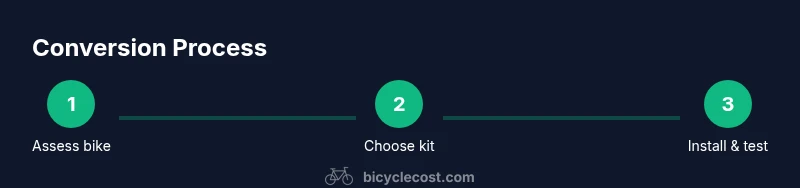
Begin with a clear goal: how far you want to ride and at what top speed. Next, check your bike’s frame, wheel dropout, and brake compatibility. Select a compatible kit from a reputable vendor and purchase the battery with matching voltage and capacity. Gather the required tools and safety gear, then follow the manufacturer’s installation guide or schedule a professional install. Finally, test the system at low speeds, gradually increasing reach while monitoring heat, battery level, and braking response. A staged approach reduces risk and provides early warning signs of potential issues.
Real-world considerations and caveats
Conversions work best on bikes designed for higher pedal effort and decent frame strength. Consider your storage space, daily use needs, and local charging availability. Some riders prefer to buy a purpose-built electric bike rather than convert an existing ride to avoid warranty concerns, weight distribution issues, and potential legal restrictions. If you’re unsure about any step, consult a certified technician. The goal is a safe, reliable system that augments your riding rather than complicates maintenance.
Tools & Materials
- Electric conversion kit (hub or mid-drive)(Includes motor, controller, and mounting hardware; choose hub or mid-drive based on your bike and goals)
- Battery pack(Match voltage/capacity to kit and your typical ride distance)
- Battery mounting hardware(Brackets, straps, and liners for secure placement)
- Wheel adapters/spacers (if using hub kit)(Only needed for some frames or wheel types)
- Torque arms (for high-torque hub kits)(Important on certain forks to prevent axle flex)
- Electrical tape, zip ties, heat shrink tubing(Cable management and protection)
- Screwdrivers, hex wrenches, and pliers(Common sizes vary by kit; have a basic tool set ready)
- Multimeter/voltage tester(Useful for verifying connections during setup)
- Safety gear (gloves, eye protection)(Protective equipment during installation)
Steps
Estimated time: 2-6 hours
- 1
Assess bike and kit type
Inspect frame strength, dropout width, and brake compatibility. Decide between a hub or mid-drive kit based on terrain and desired ride quality. Confirm wheel and crank interfaces align with the chosen kit.
Tip: Take measurements and photos before removing parts to reference during install. - 2
Gather tools and materials
Collect the required tools and the full kit components. Organize cables and mounts to minimize mid-project rework. Check that the battery is compatible with the kit's voltage and connector type.
Tip: Arrange a clear workspace and lay out parts in install order. - 3
Remove or prep existing components
If upgrading wheels, remove the current wheel and inspect the frame dropout. Prepare the crank area for a mid-drive kit or the wheel hub area for hub kits. Keep fasteners organized for reassembly.
Tip: Keep spare bolts and spacers to avoid rework later. - 4
Mount the motor and wheel/crank
Install the motor on the chosen location (front/rear hub or crank). Align the wheel with the brake rotor and ensure the motor is fastened securely. For mid-drive, align the chainring and assist sensor per kit instructions.
Tip: Torque to spec and check for pedal clearance during turning. - 5
Install battery, wiring, and controller
Mount the battery in a secure position, route cables away from moving parts, and connect the controller. Route the display and throttle where easily reachable. Test electrical continuity before finalizing routing.
Tip: Seal exposed connectors against moisture and dust. - 6
Configure, test, and fine-tune
Power on, calibrate the system with the kit's software, and test ride at low speed. Check for overheating, wobble, and brakes response. Adjust assist levels, throttle behavior, and regenerative settings if available.
Tip: Start conservative and gradually increase assist as you gain confidence.
People Also Ask
Can any bicycle be converted to electric?
Most bikes can be converted, but frame strength, dropout width, and brake compatibility are key limits. Some frames may not fit certain kits or require frame welding, which is not recommended for DIYers.
Most bikes can be converted, but frame strength and compatibility matter. Some frames may not fit certain kits.
What is the difference between hub and mid-drive kits?
Hub kits power a wheel via a motor inside the wheel, while mid-drive kits attach to the crank and use the bike’s gears. Mid-drive offers better efficiency and climbing ability, hub kits are simpler and often cheaper.
Hub kits put the motor in the wheel; mid-drive uses the crank. Mid-drive is usually more efficient.
Do electric kits affect warranty?
Many manufacturers limit or void warranties after aftermarket conversions. Check the bike maker’s policy and the kit supplier's terms before proceeding.
Aftermarket conversions can affect warranties; check policies before you start.
Are there legal restrictions on conversion?
Yes. Local laws vary on motor power and top assisted speed. Some places require registration or limited speeds for electric assist.
Laws differ by location; know your local speed limits and registration rules.
How much does it cost to convert a bike?
Costs vary from hundreds to more than a thousand dollars depending on kit quality, battery capacity, and installation complexity.
Costs can range from hundreds to well over a thousand dollars.
Is professional installation required?
Not always, but complex mid-drive setups or high-torque hubs benefit from professional installation to ensure safety and reliability.
Professional install is recommended for complex setups.
Watch Video
Quick Summary
- Assess frame and wheel compatibility before buying.
- Mid-drive kits offer better hill performance with pedal assist.
- Follow local laws on motor power and speed limits.
- Plan for proper cable management and safety checks.
- Maintenance includes battery care and regular inspection.