Which Bicycle Is Expensive? A Practical Price Guide
Explore what makes a bicycle expensive, how price bands vary by materials and components, and practical tips to maximize value without overspending.


Which bicycle is expensive? In practice, expensive is a function of components, materials, and build quality rather than a single model. The priciest bikes typically pair ultra-light carbon frames with top-tier groupsets, premium wheels, and bespoke finishes, but price alone doesn’t guarantee value. Value comes from fit, intended use, and reliable after-sales support, not just a high sticker price.
Which bicycle is expensive? Debunking the myth
The phrase which bicycle is expensive often leads shoppers to assume the price tag tells the whole story. In reality, cost is a function of many variables, and the most expensive bike isn’t always the best fit for every rider. According to BicycleCost, the highest price tags usually appear on models that combine ultra-light carbon frames, top-tier electronic shifting, performance wheels, and bespoke finishes. But price alone does not guarantee value; fit, purpose, and after-sales support matter just as much.
To understand true cost, consider four drivers: frame material and engineering, drivetrain and brakes, wheelset and tires, and finish/customization. A carbon frame reduces weight and stiffness, advancing performance in sprinting and climbing, but it also increases manufacturing complexity and cost. The drivetrain (e.g., electronic groupsets) can dramatically affect efficiency and precision but adds thousands to the bill. Wheel quality and aerodynamics improve speed and handling but often claim the lion’s share of the premium. Finishes—hand-painted schemes, engravings, and limited editions—tastefully raise the price while appealing to collectors.
For many riders, the 'expensive' label attaches to ambition more than actual need. If you ride uphill in poor weather, an expensive bike with top components may translate into real gains; if you mostly commute on flat asphalt, a mid-range build can cover a similar distance with less risk of depreciation. The BicycleCost team notes that the best value mixes performance with reliability and serviceability, rather than chasing the most expensive label.
Price drivers explained: frame, components, and finish
Price is pulled in several directions at once. Frame material and engineering set the ceiling early—carbon frames are lighter and stiffer but cost more to manufacture. Aluminum alloys with butted tubes can deliver excellent stiffness at lower price, trading some weight. The choice of drivetrain and brakes carries a big premium; electronic groupsets (like electronic shifting) offer crisp, reliable shifts and programmable ergonomics but add thousands to the purchase price. Wheelset quality dramatically affects rolling efficiency, ride feel, and acceleration, and high-end wheelsets demand premium hubs, lighter rims, and complex manufacturing. Brakes matter too, with higher-end disc brakes delivering better modulation and heat management in demanding conditions.
Finish and customization add the final layer of cost. Special paint, subtle finishes, and branded collaborations fetch higher prices, and some buyers chase limited editions or bespoke sizing and fit options. Maintenance access and serviceability also factor into the overall cost, especially if a rider relies on local specialty shops for tuning. In short, the same model can feel very different depending on the component choices, which is why two bikes that look similar can have a large price gap.
Price bands you’ll encounter in the market
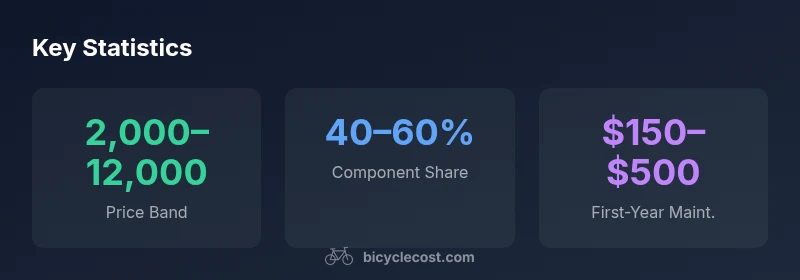
In practice, most riders fall into a few broad bands. Entry-level premium bikes typically sit in the low-to-mid thousands, mid-range builds sit in the mid-to-upper thousands, high-end performance bikes often span into the five-figure territory, and ultra-premium or custom builds can exceed that with bespoke frames and limited production. Note that regional pricing, currency, and availability influence these bands, and sales events, used markets, and demo bikes can shift where a given bike lands on the spectrum. The key takeaway is that the price band reflects the intended use, the quality of components, and the level of service backing the purchase, not merely the brand name.
Assessing value: how to choose without overpaying
To assess value, compare more than the sticker price. Look for:
- Frame material and construction quality; verify weight, stiffness, and warranty.
- Drivetrain level and compatibility with expected riding goals.
- Wheel quality, tubeless readiness, and hub stiffness.
- Brakes and rotor sizes suitable for your terrain and climate.
- Fit and comfort; a well-fitted bike often feels far cheaper over time than a poorly fitted one.
- After-sales service: access to local support, warranties, and the ability to get parts quickly.
Use ride tests or demo days to evaluate real-world performance. Model-year changes matter; last year’s bike may offer nearly identical performance at a lower price. Read independent reviews, compare total cost of ownership, and don’t omit maintenance costs when calculating the long-term value of the bike.
Buying strategies and practical tips
If you’re shopping for an expensive bike, plan ahead.
- Consider last year’s model or factory demos to save money while keeping performance close to current releases.
- Look for bundled packages that include wheels, tires, and service plans.
- Compare multiple retailers and negotiate on price, especially around holidays or end-of-season sales.
- Factory-direct or direct-to-consumer brands can sometimes offer better value, though service access varies.
- Check the warranty and return policy; a generous warranty can improve long-term value.
- Weigh used-market options; a well-maintained used bike with recent parts can deliver near-new performance at a fraction of the cost.
Maintenance costs and total cost of ownership
The sticker price is just the beginning. High-end bikes require careful maintenance and regular service to maintain performance. Expect costs for annual tune-ups, tire and brake wear, and occasional component replacements. Longevity depends on usage, storage conditions, and care; with proper maintenance, a quality bike can offer reliable service for many seasons. The total cost of ownership grows with miles ridden, but the long-term benefits in efficiency, enjoyment, and resale potential may offset upfront expenses for riders who value performance and reliability.
Representative price bands and features by category
| Category | Typical price band | Key features |
|---|---|---|
| Entry-level premium bike | 1,500–3,000 | Balanced components, good value, reliable fit |
| Mid-range performance bike | 3,000–6,000 | Higher-end groupset, lighter frame, better wheels |
| High-end performance bike | 6,000–12,000 | Carbon frame, top-tier wheels, advanced shaping |
People Also Ask
What makes a bicycle expensive?
Expensive bicycles typically combine premium materials, high-end groupsets, advanced wheels, and custom finishes. The true cost also reflects engineering, fit, and after-sales support.
Expensive bikes usually mean premium parts and good service; choose based on goals and budget.
Is it worth buying an expensive bike for casual riding?
For casual riders, value comes from fit, reliability, and maintenance costs. An expensive bike may offer marginal performance gains but higher upfront costs; balance with how often you ride and your goals.
It can be, if the bike keeps you comfortable and lowers maintenance in the long run.
How can I avoid overpaying for a bike?
Shop around, compare similar models, and consider last-year models or demos. Check bundles, warranties, and service plans to maximize value.
Shop around and compare features—not just the price tag.
Do expensive bikes hold their value over time?
Some high-end bikes retain value better due to components and brand reputation, but market demand and condition greatly affect resale value.
Resale value depends on condition and demand for the model.
Should I buy new or used when the price is high?
Used bikes can offer near-new performance at lower cost if a thorough inspection is done. New bikes come with warranties and the latest tech.
Used can be smart if you verify condition; new offers latest tech and warranties.
What about warranties on expensive bikes?
Look for comprehensive warranties on frame, drivetrain, and bearings. A strong warranty can offset higher upfront costs.
A good warranty plus local support adds value over time.
“Expensive bikes can deliver great performance, but true value comes from how well the bike matches your goals, durability, and service network.”
Quick Summary
- Identify your riding goals first.
- Prices reflect component quality and frame materials.
- Value hinges on fit and reliability, not just brand.
- Compare total cost of ownership, including maintenance.
- Shop smart with demos and end-of-season deals.