What to Do with an Old Bicycle: A Practical Guide
Discover practical, safe options for an old bicycle: donate, sell for parts, upcycle, or recycle. This step-by-step guide helps cyclists extend life, reduce waste, and keep bikes on the road.


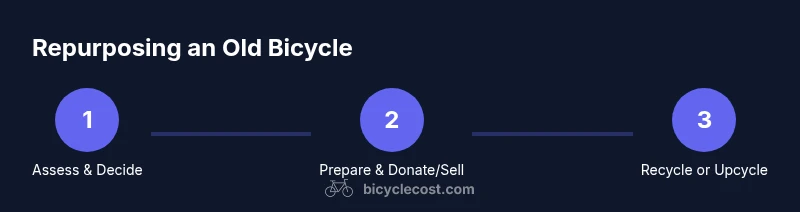
You can extend the life of an old bicycle by choosing practical options like donation, sale for parts, or recycling. Start with a safety check, then decide the destination, and follow the steps to prepare, transport, and finalize your choice.
Assessing the bike's condition
In the broad question of what to do with old bicycle, the first step is a careful assessment of usability and safety. Look over the frame for cracks, check the brakes, test the gears, and inspect tires for wear or dry rot. The BicycleCost team emphasizes evaluating whether the bike can be safely ridden, repaired with common parts, or should be retired from road use. If you find severe frame damage or a damaged steering head, consider recycling parts rather than attempting a rideable repair. The initial assessment helps you decide whether the bike can be donated, sold for parts, or requires a rebuild. This is also the moment to document any issues for future buyers or donation programs. In addition to safety, consider the bike's sentimental and monetary value. An old bicycle with intact parts may be more valuable for refurbishment or as a donor frame. If you discover that the bike has rare components, you may want to preserve them for future projects. This stage sets the tone for the rest of the process and makes the next steps clearer, saving you time and effort. According to BicycleCost, a quick audit of an aging bike can reveal whether it's ready for donation, sale, or responsible recycling.
Safety checks you should perform
Safety is non-negotiable when dealing with an aging bicycle. Start by checking the brakes for responsiveness, ensuring the levers engage smoothly and the pads grip the rims or discs without rubbing. Test the tires for tread depth, puncture resistance, and proper inflation. Inspect the chain, derailleur, and cables for rust or stiffness, lubricating or replacing as needed. Check for frame cracks, loose components, and handlebar alignment. A wobble in the front wheel or a loose headset is a red flag. If any component is unsafe or beyond a simple repair, do not ride the bike; instead, recycle or repurpose it. Taking these precautions protects you and others and sets you up for a successful donation or resale.
Cleaning and minor maintenance that adds value
A clean bicycle presents better conditions for donation or resale. Start with a mild soap solution, rinse gently, and dry thoroughly to prevent rust. Remove dirt from chainrings and sprockets, then apply a light lubricant to moving parts. Check for stiff pedals, squeaks, or rust and address them with basic tools. When you can't fix everything, highlight the repairs you performed in photos or notes for potential buyers or donation centers. A well-maintained bike shows care and can fetch a higher donation value or sale price.
Choosing the best destination: donate, sell, or recycle
Deciding the best path depends on safety, condition, and how much effort you want to invest. Donating is ideal for bikes with some usable parts and still good tires; it supports community programs and reduces waste. Selling works if the bike is functional and you can show clear photos and a simple history. Recycling makes sense for bikes with severe wear or broken parts that are not worth repairs. If the bike has electronics, such as an e-bike conversion, research local disposal rules since batteries require special handling. This stage is where you balance time, impact, and personal goals. BicycleCost analysis shows that reuse options typically yield better environmental outcomes than outright disposal.
Donating: where and how to donate
Donating is often the easiest option for a bike with usable parts. Look for local nonprofit bike shops, community repair programs, shelters, or youth organizations that accept bicycles in any condition. Before donating, contact the organization to confirm acceptance, drop-off hours, and any repair expectations. Include a simple description of the bike's condition and a few high-quality photos. If possible, remove personal data (like bike accessories or trackers) and wipe the bike clean. Donating helps others ride and teaches the value of reuse.
Selling or giving away for parts: platforms and tips
If the bike is rideable but not perfect, you can sell it or part it out. Use clear, well-lit photos, list truthful details about the bike's condition, and disclose any mechanical quirks. Popular local marketplaces work well for simple transactions, while parts can be sold individually on niche forums or recycling centers. For items not worth a full ride, consider offering components like wheels, tires, or saddles to hobbyists. When handing off, meet in a public area and, where possible, remove personal data from accessories. This approach minimizes waste and can fund your next bike project.
Recycling and responsible disposal
For bikes or parts that can’t be reused, recycling is the next best option. Remove batteries from any e-bike components and take them to a proper e-waste facility if required by local rules. Take tires and tubes to a recycler that accepts rubber; some programs will even pick up large metal frames. If the local programs require decommissioning, document the bike’s serial numbers and parts you removed. Recycling reduces environmental impact and helps conserve resources for new bikes and components.
Upcycling ideas to extend value
Old bicycles can inspire creative upcycling projects. Turn parts into art, furniture, or garden decor; repurpose tires as planters; or convert a frame into a sturdy workbench support. Upcycling not only minimizes waste but also creates unique, practical items. Document your project in photos and share them with local makerspaces or clubs. This approach creates a social, educational, and sustainability-minded benefit from what might otherwise have been discarded.
Transport and safety: handing off the bike
Transporting an old bike safely requires a simple plan. Use a bike rack or a sturdy strap to secure the frame and wheels when moving to a donation site or buyer. If you’re using a car, remove loose parts to prevent damage and cover exposed areas to prevent dirt transfer. Wear gloves and consider protective gear during handling. After the handoff, keep a basic checklist of components you removed or replaced for records and future projects. These practices boost safety and reduce the risk of accidents during transfer.
Quick final checklist for what to do with old bicycle
- Assess safety and usability. - Clean the bike and document repairs. - Decide on donation, sale, or recycling. - Gather photos and a simple description for listings. - Check local drop-off hours and bike repair programs. - Remove personal data from accessories. - Transport securely with proper straps. Implementing these steps ensures a smooth transition from old bike to its new life. The BicycleCost team recommends using reuse options whenever possible to reduce waste.
Tools & Materials
- Camera or smartphone for photos(Take clear, well-lit shots from multiple angles)
- Mild soap and water(Use non-abrasive cleanser)
- Soft rags or microfiber cloth(Dry parts thoroughly to avoid rust)
- Bike stand or stable surface(Helpful but not mandatory)
- Lubricant (bike oil)(Use a light amount on the chain and moving parts)
- Screwdrivers, wrenches, and basic tools(For minor adjustments or disassembly)
- Gloves(Protect hands during cleaning and transport)
- Transport strap or bungee cords(Secure bike during move)
- Documentation or serial number record(Helpful for information sharing)
Steps
Estimated time: 2-5 hours
- 1
Assess safety and usability
Inspect frame, brakes, gears, and tires. Note any repairs that may be needed to make the bike rideable, or decide that it should be retired from riding entirely.
Tip: Document issues with photos and be honest about condition - 2
Clean and lubricate
Wash the frame, chain, and components with mild soap. Dry thoroughly and lubricate moving parts to prevent rust and ensure a clear assessment.
Tip: Avoid high-pressure sprays that can force water into bearings - 3
Remove personal data and parts
Remove accessories that contain personal data (GPS trackers, owner’s nameplates) and decide what parts to keep, sell, or donate.
Tip: Photograph components before disassembly for reference - 4
Decide the destination
Choose whether to donate, sell, or recycle based on condition and effort. This sets the next steps for preparation and transport.
Tip: A quick egress plan helps avoid wasted trips - 5
Prepare for donation or sale
If donating, package or secure the bike according to the program's guidelines. If selling, prepare a clear listing with photos and honest details.
Tip: Include a short maintenance note for transparency - 6
Find a destination and drop-off
Reach out to local bike shops, charities, or recycling centers to confirm acceptance and drop-off times. Bring documentation if requested.
Tip: Call ahead to confirm acceptance to avoid wasted trips - 7
Transport the bike securely
Use a rack or straps to transport safely. Remove loose parts and protect the frame during transit.
Tip: Use soft straps to avoid scratches - 8
Follow up and record
Keep a record of where the bike went and what was done. This helps with future donations or projects and reduces curiosity about its fate.
Tip: Take a final photo at handoff for your records
People Also Ask
Is there value in an old bicycle?
Yes. Even if the bike isn’t rideable, usable parts can be donated or sold, and some organizations accept bikes for refurbishment. The frame and components may have resale or reuse value.
Yes, there is value. Donatable parts or refurbished bikes can support charities and hobbyists.
Where can I donate an old bicycle?
Look for local nonprofit bike shops, youth programs, shelters, and community repair organizations. Call ahead to confirm acceptance requirements and drop-off hours.
Check local bike shops and community programs for donation options.
Should I remove tires before donation?
In many cases, donation programs accept tires, but some require removal for safety or storage. Check with the recipient and provide a brief description of the tire condition.
Ask the program about whether tires are accepted or should be removed.
Can I recycle a bike with damaged components?
Yes, many parts can be recycled or repurposed. Contact local recycling centers to understand what they accept and whether they offer pickup.
Yes—check local centers for acceptable parts and recycling options.
What about e-bikes or bikes with batteries?
E-bike batteries require specialized disposal. Follow local guidelines and take batteries to approved facilities or retailers that accept them.
E-bike batteries need special handling; take them to approved disposal sites.
What if the bike is not rideable?
If not rideable, salvage usable parts for donation or sale, and recycle the rest. Many programs accept non-working bikes for parts.
Non-rideable bikes can still donate parts or be recycled.
Quick Summary
- Assess safety before anything else
- Donating or reusing saves resources
- Document condition and take clear photos
- Choose the destination that matches the bike's condition
- Transport securely and follow up after handoff