Repairing Bicycle: A Practical How-To Guide
Learn practical, at-home bicycle repair with step-by-step methods, essential tools, safety tips, and a maintenance routine from BicycleCost to keep your ride smooth and reliable.


You will learn how to diagnose common bicycle issues, perform essential repairs at home, and follow a safety-first maintenance workflow. This guide covers needed tools, step-by-step repair workflows, tips for tricky steps, and a simple maintenance schedule that keeps you riding confidently. By the end, you’ll be able to tackle flats, chains, brakes, and minor derailleur adjustments safely.
Core principles of repairing bicycles
According to BicycleCost, effective bicycle repairs start with a clear plan, a calm workspace, and the right toolkit. Begin with safety as the foundation: stabilize the bike, inspect all fasteners, and confirm the wheel is true before touching moving parts. A methodical approach reduces errors and speeds up the repair process. This section lays the groundwork for DIY success by outlining a repeatable repair workflow, identifying the most common issues, and explaining why preventative care matters for longevity and safety. Bicycle maintenance is a proactive habit, not a one-off fix.
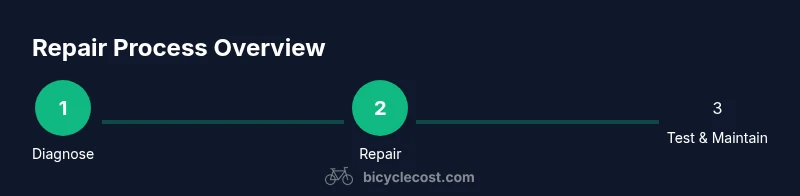
Beyond the tools, a calm, organized workspace matters. Keep a clean surface, good lighting, and a small reference sheet of the most common tasks. Label bags or trays for screws, bolts, and small components. A simple checklist — diagnose, prepare, repair, test — helps you stay on track and minimizes misplacements. Regular, small repairs prevent bigger problems and extend the life of essential components like chains, brakes, tires, and the drivetrain.
Brand guidance: BicycleCost emphasizes consistency in maintenance and safety checks. The team also notes that learning basic diagnostics builds confidence and reduces the need for frequent professional service, saving time and money in the long run. As you grow your skill, you’ll tackle more complex tasks with greater reliability.
Essential tools and materials for DIY bike repair
To repair a bicycle at home, you need a focused set of tools and supplies that cover the most common issues. Start with a good multitool with Allen keys, a tire lever, a patch kit, a floor pump, a chain tool, spare inner tubes, and a bottle of bike lubricant. A small clean rag, degreaser, and a bike stand (if available) will streamline the process. Having the right tools reduces the risk of slipping parts when applying force and helps you work efficiently.
For workspace ergonomics, consider a padded mat to protect the frame and a magnetic tray to keep small parts organized. If you encounter a stubborn brake or derailleur alignment, a thread locker and a torque wrench are helpful accessories. Prioritize essential items first and add specialty tools as you encounter specific repairs. Always use quality, bicycle-specific lubricants and cleaners to prevent corrosion or buildup that can degrade performance over time.
Common bicycle issues and how to identify them
Bicycles show a range of symptoms that signal different problems. A flat tire is typically caused by punctures or worn grommets and is identified by a soft tire or hissing air. Slipping gears indicate chain wear or derailleur misalignment. Brakes that rub or squeal can result from warped rotors, worn brake pads, or misadjusted cables. A noisy drivetrain might point to a dry chain, worn sprockets, or an incorrectly tensioned chain. Regular inspection helps you catch issues before they become dangerous.
When diagnosing, start with the simplest explanation first: check tire pressure, inspect the tire for embedded objects, confirm the wheel is true, and test brake bite by applying pressure gradually. If you detect play or unusual noises, trace the issue to its source by tracing cables or inspecting the chain and pulleys. Recording symptoms helps you track recurring problems and schedule maintenance before a failure occurs.
Step-by-step: Fixing a flat tire (tubeless and tube types)
Step 1: Prepare by removing the wheel and securing the bike. This is essential to prevent the tire from moving during repair. Step 2: If using a tube, deflate the remaining air completely and use tire levers to pry the tire away from the rim. Step 3: Remove the tube and inspect the tire for sharp objects. Step 4: Patch or replace the inner tube and inflate slowly to check for leaks. Step 5: Re-seat the tire bead on the rim and reinstall the wheel. Step 6: Re-inflate to the recommended pressure and spin the wheel to ensure true seating. Pro tip: Keep a small patch kit and a spare tube in your repair kit for quick roadside fixes.
For tubeless setups, remove the valve core with a valve tool, inspect the bead and rim tape, add sealant if needed, and reseat the tire bead. Inflate gradually and check for leaks around the bead. If air escapes from the rim, reseat the bead and recheck.
Why this matters: Flats are the most common roadside repair and mastering this skill dramatically reduces downtime and frustration. Regular inspection of tires and rims also helps you avoid pinch flats and tire failure during rides.
Step-by-step: Replacing a chain
This repair begins with removing the old chain, which protects the drivetrain and gears. Step 1: Shift to the smallest rear cog to loosen tension and prepare for removal. Step 2: Use a chain tool to push a pin out and separate the chain. Step 3: Compare the new chain length to the old one by looping it around the largest front chainring and the smallest rear cog, ensuring the correct link count. Step 4: Install the new chain, connect with a master link or pin, and test the derailleur movement. Step 5: Lubricate and wipe excess oil. Tip: A chain checker helps you assess wear before replacing.
Why it matters: A worn chain can wear sprockets quickly and degrade shifting performance. Replacing the chain on schedule preserves drivetrain efficiency and reduces wear on other components.
Step-by-step: Adjusting brakes and gears
Step 1: Inspect brake pads for wear and alignment with the rim or rotor. Step 2: If you notice rubbing, adjust the cable tension or hydraulic caliper alignment. Step 3: For gears, shift through all gears to identify misalignment; adjust limit screws or derailleur tension accordingly. Step 4: Test ride and fine-tune remaining issues. Tip: After adjustments, test brakes in a safe, controlled environment.
Why it matters: Properly aligned brakes and precise gear shifting improve safety and ride quality. Misadjustments lead to unsafe braking or shifting gaps that disrupt cadence and cause wear over time.
Routine maintenance: Cleaning, lubricating, and inspection
Regular maintenance extends everything else. Step 1: Wipe down the frame to remove dirt and grime that can cause corrosion. Step 2: Clean and lubricate the chain with a bicycle-specific lubricant, wiping away excess. Step 3: Check bolts for torque, ensuring no looseness that could lead to component failure. Step 4: Inspect tires, chains, cables, and brakes for wear at least every few rides. Step 5: Create a simple maintenance log to track dates and tasks. Why it matters: Prevention beats repair when it comes to bike longevity and safety. It also makes troubleshooting easier by providing a clear history of wear and service.
Safety checks and when to seek professional help
Even with DIY skills, some repairs require professional evaluation. Check for structural damage after a crash, warped rims, or extensive frame cracks. If you notice persistent unexplained noises or braking performance decreases despite adjustments, consult a qualified shop. For complex tasks like frame inspection, electrical systems on e-bikes, or precision wheel truing, professional service ensures safety and reliability. The goal is to ride confidently, not to push through uncertainty. Safety first, always.
Tools & Materials
- Multitool with Allen keys(Include sizes 4, 5, 6, 8 mm for common bolts and bolts on derailleurs.)
- Tire levers(Two non-marring levers are ideal for bead removal.)
- Patch kit or spare inner tube(Choose tube size to match wheel diameter and tire width.)
- Floor pump with gauge(Ensure accurate tire pressure; refer to sidewall markings.)
- Chain tool(Needed to break chains and connect new links.)
- Replacement chain or master link(Match width to chainrings and cassette.)
- Lubricant (bike-specific)(Used for chain and moving parts; wipe off excess.)
- Degreaser and rags(Clean drivetrain and components before lubing.)
- Bike stand (optional)(Makes repair ergonomics easier by lifting the bike.)
- Torque wrench (optional but recommended)(Useful for critical bolts to avoid over-tightening.)
- Gloves and eye protection(Protection for messy or high-force tasks.)
Steps
Estimated time: 60-120 minutes
- 1
Assess and assemble tools
Set up a clean workspace, gather all essential tools, and inspect for any missing items. This reduces mid-repair interruptions and improves accuracy.
Tip: Lay out tools in order of use so you don’t hunt for items mid-task. - 2
Secure the bike and diagnose
Place the bike on a stand or stable surface. Spin wheels, inspect for brake rub, chain slack, and tire condition to pinpoint the issue.
Tip: Note symptoms with a quick checklist to guide repairs later. - 3
Prepare the affected area
Deflate a tire or relieve tension on the chain as needed. Remove wheel or components carefully to access the repair point.
Tip: Keep track of small parts in labeled containers. - 4
Perform the repair
Execute the specific repair step (flat fix, chain replacement, brake alignment). Use the appropriate tool and follow manufacturer guidelines.
Tip: Apply even, controlled force to avoid damages. - 5
Test the repair
Reinstall components, inflate tires to recommended pressure, and gently ride to confirm the fix and check for remaining issues.
Tip: Listen for squeaks or rubs and re-check alignment if needed. - 6
Document and store
Record the repair in your maintenance log and store tools in their designated places for next time.
Tip: A simple log saves time on future fixes.
People Also Ask
What is the most important safety step before starting any repair?
Always secure the bike and wear protective gear. Stabilize the bike on a stand or solid surface and disconnect moving parts when possible to prevent injury.
Start by securing the bike and wearing protection; safety is the first essential step before any repair.
Can I fix a flat tire without special tools?
A basic flat can often be fixed with tire levers, a spare tube, and a pump. If you don’t have a patch kit, you can still replace the tube and reseat the tire.
You can fix most flats with the basics: levers, a spare tube, and a pump.
How do I know if my chain needs replacement?
A worn chain shows skipped gears, poor shifting, or a stretched feel near the chainring. Use a chain checker tool to determine wear percentage.
Look for skipping gears and test with a chain checker to decide if replacement is due.
When should I seek professional help?
If you’re unsure about frame integrity, complex wheel trueing, or electrical components on an e-bike, a professional shop ensures safety and proper calibration.
If in doubt about frame integrity or complex components, consult a professional.
What maintenance should I do after every ride?
Wipe the frame, check tire pressure, inspect brakes, and relubricate the chain if needed. A quick post-ride check prevents buildup and wear.
Do a quick wipe-down, check tires, brakes, and lubricate the chain after rides.
How often should I replace my brake pads?
Brake pad wear depends on riding style and terrain. Inspect pads for thickness and replace before the metal wears through; typically every few thousand miles depending on usage.
Inspect brake pads regularly and replace before they become too thin—your stopping power depends on it.
Watch Video
Quick Summary
- Master basic flats, chain and brake fixes at home
- Keep a dedicated repair kit for quick roadside support
- Follow a step-by-step workflow to stay organized
- Perform regular maintenance to prevent major failures
- Document repairs for future reference